How to Choose the Best Pig Farming Equipment for Success?
Choosing the right Pig Farming Equipment is crucial for maximizing productivity and ensuring animal welfare. According to the latest report from the National Pork Board, optimal equipment usage can enhance farm efficiency by up to 30%. This statistic underscores the importance of making informed decisions. Industry experts emphasize that proper equipment selection significantly impacts not just yield but also farm sustainability.
Dr. Sarah Thompson, a leading specialist in livestock management, states, "Investing in the right Pig Farming Equipment minimizes stress for pigs and laborers alike." Her insights highlight the intersection of technology and animal care. Pig farming is not just about raising animals; it’s about creating an environment conducive to growth.
However, many farmers still struggle with equipment choices. The market offers a plethora of options, making it daunting. Some equipment may look advanced but could be impractical for specific operations. This complexity begs for careful evaluation and reflection on what truly serves the farm's needs.
Understanding the Essential Needs of Pig Farming Equipment
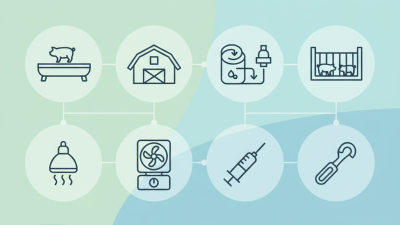
When selecting pig farming equipment, understanding the essential needs is crucial. Equipment should cater to the health and comfort of pigs. For example, proper housing systems minimize stress and maintain hygiene. Ventilation systems should ensure adequate airflow. Quality feeders and waterers promote better growth rates. Every piece of equipment should enhance productivity.
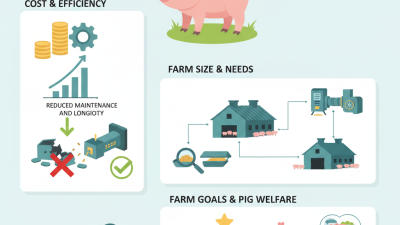
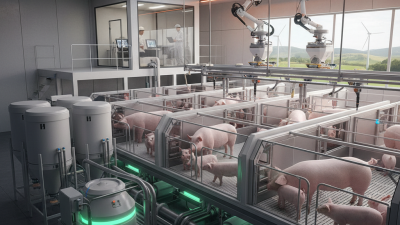
Consider the size and scale of your operation. Some farms may need automated systems to streamline processes. These systems can save time and labor costs. Others may thrive with manual methods, which foster a hands-on approach. Reflect on the specific requirements of your farm. Not all equipment suits every situation. This realization is essential for effective management.
Maintenance and repairs are often overlooked. Equipment can break down unexpectedly, affecting operations. Regular checks are necessary to ensure functionality. Moreover, there’s always room for improvement in your choices. Research and seek advice from experienced farmers. Their insights can provide clarity and help avoid costly mistakes. Prioritize reliable equipment to support your farm’s success.
Key Factors to Consider When Selecting Pig Farming Equipment
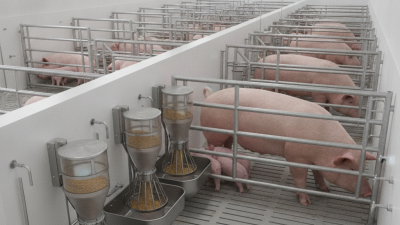
Choosing the right pig farming equipment can significantly affect your operation's success. One key factor is the size and layout of the farm. Equipment must fit the space available. For example, consider automated feeders that save time. However, their initial cost can be high. You must analyze whether the investment is justifiable.
Another important aspect is the type of pigs you are raising. Different breeds may require specific housing conditions. Proper ventilation is often overlooked but is essential for pig health. Additionally, efficient waste management solutions cannot be ignored. Some farmers may underestimate the impact of effective manure handling on the farm's overall cleanliness and hygiene.
It’s also vital to consider the equipment’s energy efficiency. This choice can affect daily operational costs. Moreover, training for your staff is often neglected. Proper training ensures safe and efficient equipment use. Balancing cost, efficiency, and safety is a challenging task. Reflection on past choices can guide future decisions.
Types of Equipment for Different Stages of Pig Development
Choosing the right equipment for pig farming hinges on the stage of pig development. Newly weaned piglets require specific gear to thrive. A good choice is a high-quality feeding system. This ensures that young pigs receive the correct nutrients. Additionally, temperature control equipment is crucial. Piglets are vulnerable to cold temperatures and need warmth.
As pigs grow, their needs change. Nursery pens should be equipped with adequate ventilation. Proper air circulation is essential to prevent respiratory issues. Grower pens often demand more robust feeding stations. Efficient water supply systems also become necessary at this stage. They ensure pigs have constant access to fresh water.
When pigs reach maturity, the focus shifts to efficiency and health. Slaughter pens need to accommodate larger animals while ensuring safety for workers. Regularly evaluating the condition of the equipment is vital. Wear and tear can impact efficiency and animal welfare. Selecting tools that are durable yet flexible for different uses can save costs in the long run. Always make decisions with the animals' health at the forefront.
Evaluating the Quality and Durability of Pig Farming Tools
When selecting pig farming equipment, durability and quality are crucial factors to ensure long-term success. According to a report by the Swine Production Technical Committee, equipment failures can lead to significant financial losses for farmers, with estimates indicating that malfunctions can result in a 15% drop in productivity. Farmers should focus on tools made from high-quality materials that withstand the rigors of daily use. Stainless steel and heavy-duty plastics are often recommended for their resilience against wear and tear.
Another aspect to consider is the maintenance of these tools. A reliable piece of equipment may perform well initially but can deteriorate without proper upkeep. A study by the American Society of Agricultural and Biological Engineers found that regular maintenance schedules increase the lifespan of farming equipment by up to 25%. Farmers are encouraged to evaluate their maintenance capabilities alongside equipment choices. Finding the right balance between initial investment and long-term durability is essential. This decision will impact overall productivity and profit margins over time.
Additionally, the importance of ergonomics cannot be overlooked. Tools that are uncomfortable to use can lead to injury and fatigue, further diminishing efficiency. Assessing user-friendliness and comfort in conjunction with quality will help cultivate a better work environment and promote sustained productivity. Ultimately, careful consideration of these factors will guide farmers toward choosing the best tools for their operations.
How to Choose the Best Pig Farming Equipment for Success? - Evaluating the Quality and Durability of Pig Farming Tools
| Equipment Type |
Quality Rating |
Durability (Years) |
Price Range (USD) |
Maintenance Frequency |
| Automatic Feeder |
4.5/5 |
10 |
500 - 1200 |
Monthly |
| Watering System |
4.3/5 |
8 |
300 - 800 |
Quarterly |
| Pig Pens |
4.8/5 |
15 |
1000 - 5000 |
Annual |
| Manure Management System |
4.6/5 |
12 |
2000 - 10000 |
Bi-Annually |
| Transportation Equipment |
4.2/5 |
10 |
1500 - 6000 |
As Needed |
Budgeting for Pig Farming Equipment: Cost vs. Value
Budgeting for pig farming equipment requires careful consideration of both cost and value. The initial investment can be substantial. According to a report by the USDA, the average cost of setting up a pig farming operation can range from $1,000 to $3,000 per pig. This includes housing, feeding equipment, and health monitoring systems. Selecting quality equipment can significantly impact productivity and well-being.
While cheaper options exist, they may not offer long-term value. For instance, automated feeding systems can cost around $5,000 but help reduce feed waste and labor. Another report indicates that operations using efficient feeding methods have seen a 15% improvement in growth rates. Investing in durable housing can reduce disease transmission, leading to healthier pigs.
Budgeting requires foresight. It is essential to recognize that low-cost equipment might lead to higher operational costs over time. Evaluate the expected lifespan and maintenance needs of every purchase. Analyzing these factors can reveal which investments offer true value. This process requires ongoing reflection on spending patterns and equipment performance to achieve a successful pig farming operation.