Top Pig Farming Equipment to Invest in for 2026?
As the pig farming industry evolves, investing in the right equipment is crucial for success in 2026. Pig farming equipment will play a significant role in enhancing productivity and efficiency. Farmers must carefully consider their choices. The right tools can lead to better health and growth rates for pigs. However, with numerous options available, it can be overwhelming.
Modern pig farming demands innovative solutions. Breeding, feeding, and waste management systems are essential. These tools improve animal welfare and boost farm output. Investing in technology can be daunting. Farmers should research and seek advice. Understanding which equipment best suits their operations is vital. Not every tool will work for every farm.
It's also important to reflect on past investments. Some equipment may not have provided the expected returns. Learning from these experiences is critical. Ultimately, the goal is to create a sustainable and profitable operation. By exploring reliable pig farming equipment, farmers can enhance their operations for a successful future.
Top Pig Farming Equipment Trends Expected to Shape the Industry in 2026
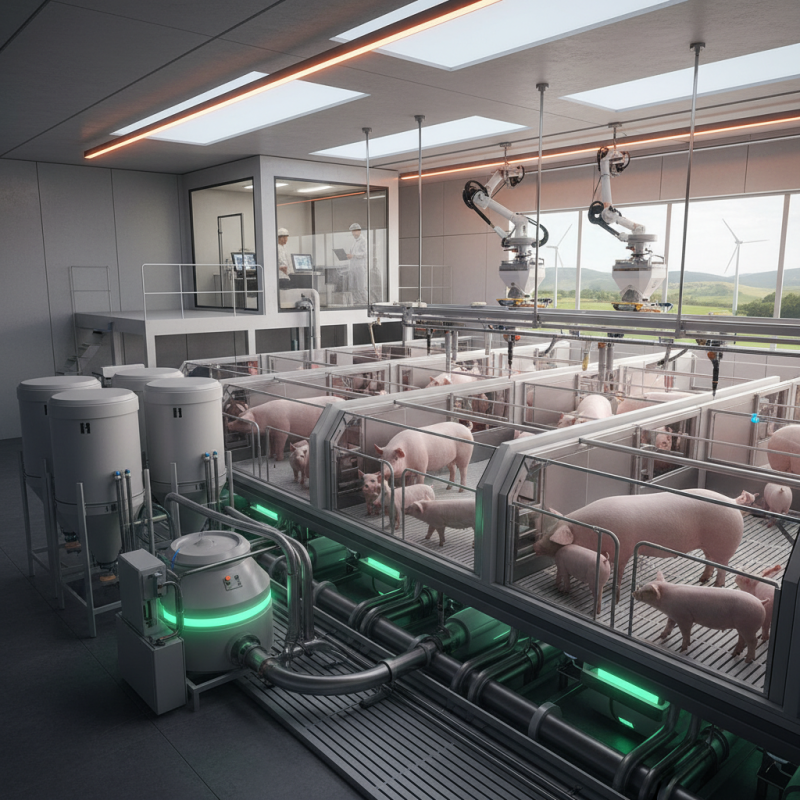
In 2026, pig farming is expected to undergo significant changes driven by innovative technologies and sustainable practices. According to a report from the International Society of Pig Farmers, the global pig industry could see an increase in automation. Farmers are likely to invest in advanced feeding systems and climate control technologies. These innovations help optimize production processes and improve animal welfare.
Utilizing data analytics will become essential. Farmers who implement smart farming techniques can monitor health and nutrition more effectively. This shift is predicted to enhance productivity by up to 30%, as stated by the Global Pig Farming Council. However, the transition requires proper training and adaptation strategies. Not all farmers are ready for such a leap.
Tips: Start by researching local workshops on smart farming technologies. In addition, consider trialing new feeding systems with a small group of pigs. This approach can help ease the transition. Be prepared for some trial and error as you adapt to these changes. Embracing innovation can sometimes lead to unforeseen challenges. However, the potential rewards for animal health and productivity are substantial.
Key Technologies Revolutionizing Pig Farming Equipment for Optimal Efficiency
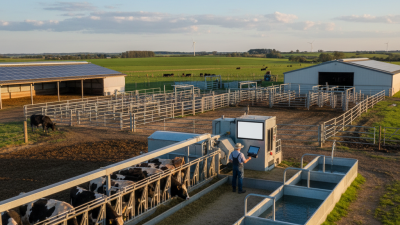
The pig farming industry is on the brink of transformation due to emerging technologies. Automation is becoming a central component, with reports showing that automated feeding systems can increase feed efficiency by up to 15%. These systems reduce labor costs and ensure pigs receive consistent nutrition. Advanced data analytics also play a crucial role. By monitoring animal health and growth rates, farmers can optimize their production strategies.
Another innovation, precision farming, is gaining attention. Sensors monitor environmental conditions and animal behavior, leading to healthier livestock. According to industry studies, farms that implement smart sensors report a 20% decrease in disease outbreaks. However, the adoption of these technologies requires investment and a learning curve. Some farmers may be hesitant due to the initial costs and complexity involved.
Moreover, biosecurity measures are evolving. New equipment designs focus on reducing disease transmission risks. Implementing these solutions can be challenging; adapting to new protocols and technologies demands attention. As pig farming continues to grow, those invested in these technologies will likely secure a competitive edge, but only with a commitment to continual improvement and reassessment.
Top Pig Farming Equipment Investment Trends for 2026
Investment Priorities: Analyzing Cost vs. Return in Pig Farming Equipment
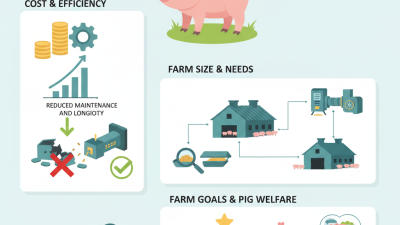
Investing in pig farming equipment for 2026 requires a careful analysis of costs and expected returns. According to the Swine Health Information Center, the average return on investment (ROI) for advanced feeding systems can reach up to 15%. These systems enhance feed efficiency, ultimately driving lower costs per pig produced. Precision feeding technology may initially seem costly, but the return can justify the investment over time.
Cost-effective solutions often include ventilation and climate control systems. The National Pork Producers Council reports that optimized climate control can reduce heat stress in pigs by 25%. This results in improved weight gain and reduced mortality rates, significantly affecting overall productivity. The upfront cost may deter some farmers, but the savings from reduced pig losses make it a worthwhile consideration.
Automation is another crucial area to consider. While the installation of automated sorting and monitoring systems demands an initial outlay, studies indicate an increase in productivity by at least 20%. The industry is witnessing a shift towards these technologies, yet some farmers remain hesitant. The learning curve and dependency on technology can create challenges, leading to a need for training and adaptation. Evaluating the balance between these costs and the potential benefits is essential for smart investment decisions in the coming years.
Future-Proofing: Essential Equipment to Meet Industry Regulations and Standards
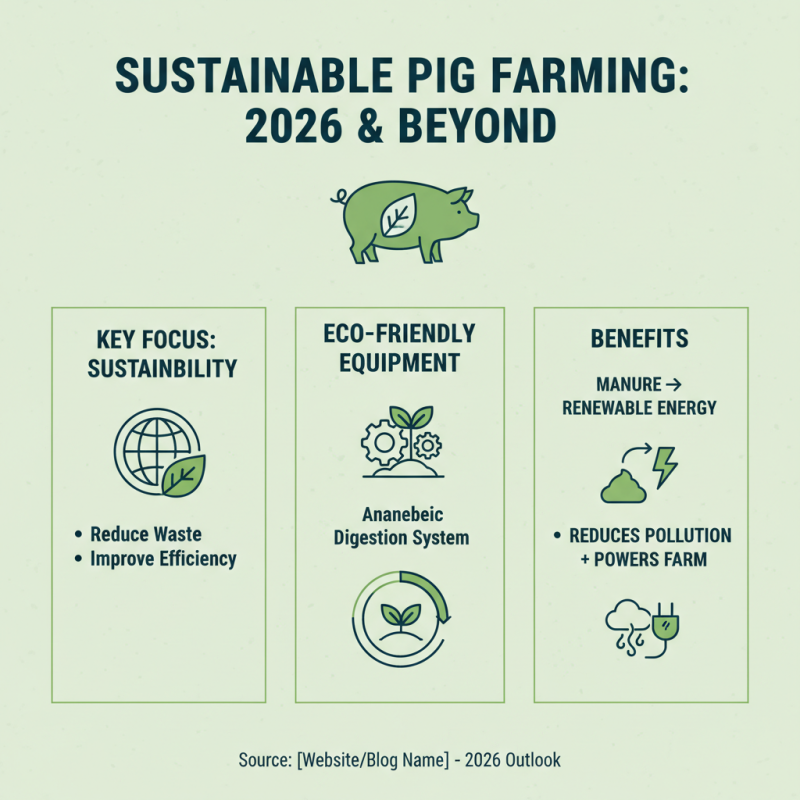
As the pig farming industry evolves, equipment must adapt to new regulations. Reports show that more than 70% of farms face stricter environmental guidelines by 2026. This reality demands innovative solutions that prioritize sustainability. Farmers must invest in technologies that monitor emissions and manage waste effectively. New filtration systems and advanced nutrient recycling methods can make a significant difference.
In addition to compliance, health and welfare standards are increasingly vital.
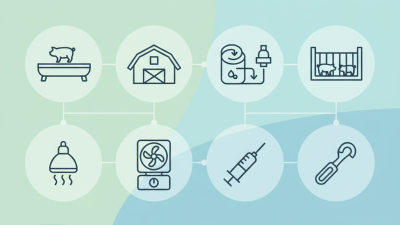
Advanced housing systems allow better airflow and temperature control. These features help reduce stress among pigs, improving productivity. Organizations like the American Association of Swine Veterinarians emphasize that animal well-being directly impacts growth rates. Investing in proper bedding and enrichment tools can enhance overall herd health.
However, the investment isn't without challenges. Many farmers struggle with the upfront costs of modernizing their operations. Balancing budgets while ensuring compliance can be daunting. Continuous education and training are essential to navigate these changes successfully. The right equipment can lead to better outcomes, but it requires careful planning and commitment.