Top 10 Livestock Semi Trailers in China for Global Buyers?
Livestock Semi Trailers play a vital role in the transportation of livestock across vast distances. These specialized vehicles ensure the safe and humane transport of animals. In China, the demand for effective livestock transport solutions is on the rise, attracting global buyers seeking quality trailers.
As the livestock industry expands, so does the variety of Livestock Semi Trailers available. Buyers face challenges in choosing the right trailer that meets their needs. Quality, design, and durability are key factors to consider. Additionally, understanding the specific requirements for livestock transport is crucial for ensuring animal welfare during transit.
This article will explore the top ten Livestock Semi Trailers widely recognized in China. Each model features distinct characteristics that cater to different transportation needs. While some trailers excel in space and ventilation, others focus on ease of loading and unloading. It’s important to reflect on these differences to make informed decisions. Choosing the right trailer involves both analysis and adaptability to specific transport conditions.
Top 10 Livestock Semi Trailers in China for Global Buyers
The livestock transportation industry is gaining momentum globally, particularly in China. With the increasing demand for efficient and humane animal transport, semi-trailers play a critical role. A 2022 report highlighted that the livestock trailer market's value in China is projected to exceed $2 billion by 2025, reflecting a significant growth rate. This shift is influenced by rising meat consumption and the need for better animal welfare standards.
China’s livestock semi-trailers come in diverse configurations. They are designed to accommodate various animal types, from cattle to pigs. The average size varies, but most trailers can carry up to 40,000 pounds of livestock. However, there are challenges. Many trailers lack adequate ventilation, which can stress animals during transport. A 2023 review pointed out that only 30% of the trailers meet optimal welfare conditions. This highlights a gap in industry standards that needs addressing.
Moreover, the trailers must comply with safety regulations. Poor design can lead to accidents and injuries. A recent analysis found that 18% of accidents involved livestock transport. There's a pressing need for innovation and better safety features in these vehicles. As the market evolves, focusing on both efficiency and ethical practices will be crucial for global buyers.
Overview of Livestock Transportation Needs in the Global Market
In recent years, the global livestock transportation market has experienced significant growth. A report by ResearchAndMarkets projects that this market will reach $27 billion by 2025. This surge is driven by increasing meat consumption, particularly in developing countries. Livestock transportation needs have become more complex as buyers prioritize animal welfare and biosecurity.
Transportation is a critical factor. Livestock can experience stress during transit. According to the World Organisation for Animal Health (OIE), improper transport methods can lead to health issues. This emphasizes the necessity for efficient and humane systems. Buyers look for trailers that ensure proper ventilation and minimize animal movement. Effective design is essential for reducing stress and ensuring safety.
Moreover, emerging regulations around livestock transport are influencing market trends. The infrastructure supporting these trailers must comply with these standards. Many countries are adapting to enhance the welfare conditions for transported animals. As global demand rises, the industry must innovate while addressing these challenges. Efficient trailers can lead to better market outcomes, but the industry must continuously assess its practices and technology.
Key Features and Specifications of Livestock Semi Trailers
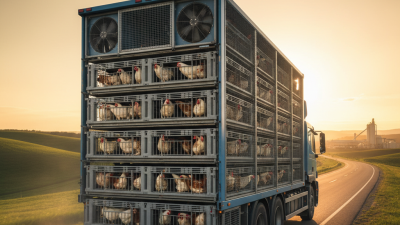
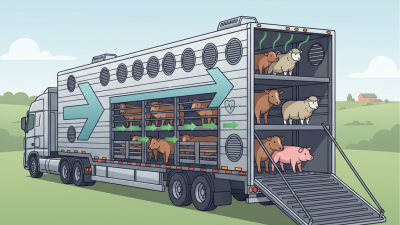
When selecting livestock semi-trailers, key features and specifications are essential for global buyers. The design must prioritize animal welfare during transport. Trailers often include ventilation systems and non-slip flooring. This helps prevent injuries and reduces stress for the animals. Well-designed loading ramps allow easy access for livestock.
The capacity of these trailers can vary significantly. Some accommodate up to 30 animals, depending on species and size. Buyers should also consider the trailer's weight and structure. A robust chassis is crucial for lasting durability. In addition, easy maintenance features can save time and costs in the long run.
The material used in construction plays a vital role. Aluminum or high-strength steel can offer different benefits. Aluminum may provide lightweight advantages, while steel offers strength. Assessing weather resistance and insulation can further enhance performance. Each detail contributes to the overall efficiency of livestock transportation. Understanding these specifications helps buyers make informed choices.
Market Trends and Demand Drivers in China’s Livestock Industry
The livestock industry in China is evolving rapidly. This growth brings new demands for livestock semi-trailers. As farmers seek efficient transport solutions, the need for high-quality trailers becomes apparent. The shift toward mechanization in farming adds pressure to meet these demands. Many producers want durable trailers that can withstand various terrains.
Environmental concerns also shape market trends. Sustainable practices are increasingly desirable. Buyers prefer trailers made from eco-friendly materials. This trend reflects a broader shift in consumer preferences. However, not all manufacturers are adapting quickly. Some are unaware of these changing expectations. There are gaps in understanding what buyers truly want.
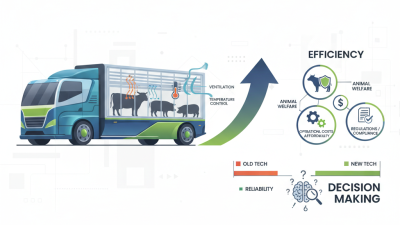
Another key factor is the increasing focus on animal welfare. Livestock transport conditions are under scrutiny. Buyers are looking for designs that ensure comfort during transit. Innovations in ventilation and space management serve this need. Yet, some trailers still lack essential features. This inconsistency presents a challenge for the industry. Meeting these diverse requirements is essential for success.
Leading Manufacturers of Livestock Semi Trailers in China
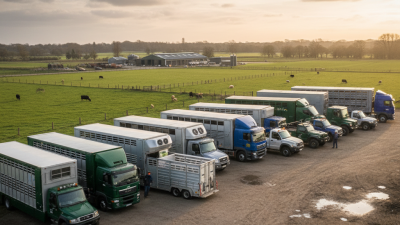
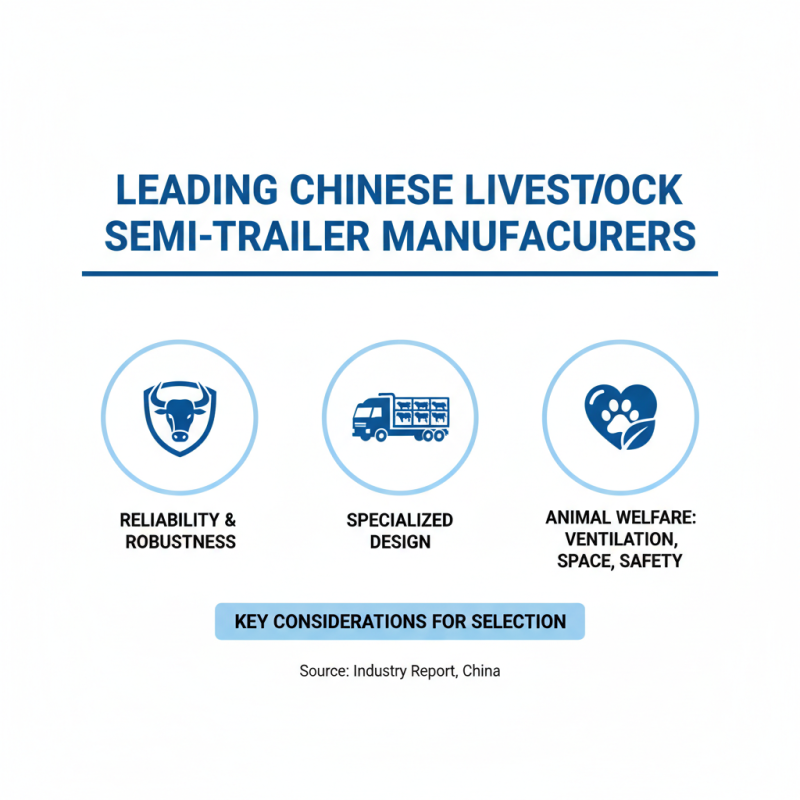
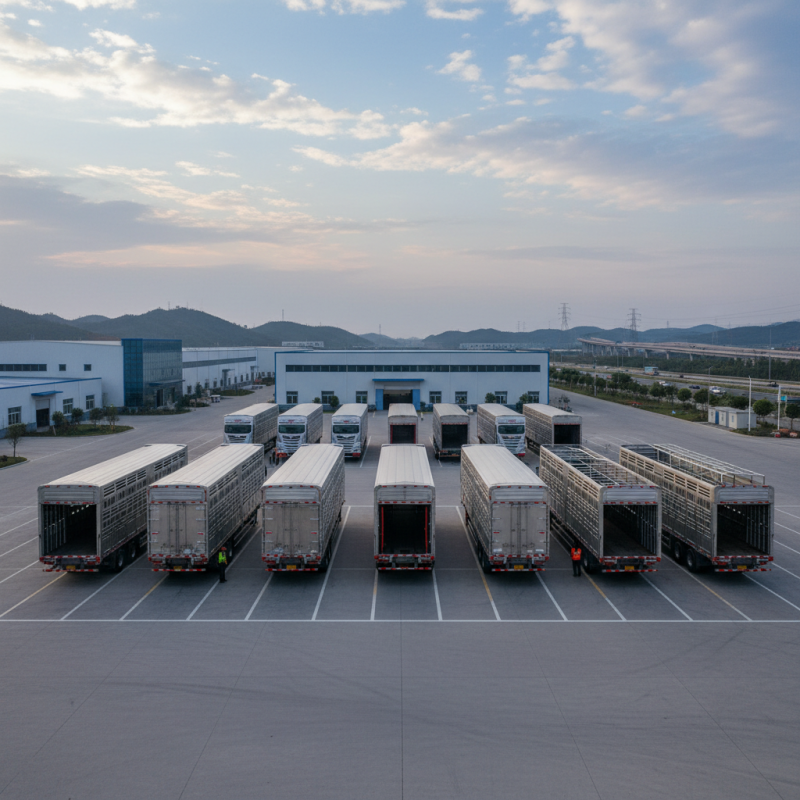
When selecting livestock semi trailers in China, it is essential to consider the leading manufacturers. These companies excel in producing reliable and robust trailers tailored for transporting livestock. They prioritize animal welfare, ensuring adequate ventilation, space, and safety features within the trailers.
Buying from reputable manufacturers can significantly affect the efficiency of livestock transportation. Look for those with experience in the industry. Visiting factories or shows can provide insight into their production standards and innovations. This direct observation can help you gauge their commitment to quality.
Tips: Always ask for references. Contact previous customers to understand their experiences. A trustworthy manufacturer should have a history of satisfied clients. Also, check for certifications that guarantee regulatory compliance. These checks can safeguard your investment and improve your operation's efficiency. Don't hesitate to ask questions about safety features and design, as these can impact the well-being of the animals during transport.
Conclusion
The article titled "Top 10 Livestock Semi Trailers in China for Global Buyers" provides an insightful overview of the livestock transportation needs within the global market. It emphasizes the critical requirements for effective livestock transportation, including animal welfare, safety, and regulatory compliance. The article details key features and specifications that define high-quality Livestock Semi Trailers, such as ventilation systems, loading capacities, and structural integrity.
Furthermore, it addresses current market trends and demand drivers within China’s livestock industry, shedding light on how evolving consumer preferences and increasing meat consumption influence trailer designs. A comparative analysis of the top 10 Livestock Semi Trailers is included, evaluating performance metrics such as durability, maneuverability, and cost-effectiveness. Overall, this comprehensive guide serves as a valuable resource for global buyers seeking reliable livestock transportation solutions.