What is a Bulk Feed Transport Vehicle and How Does It Work?
The Bulk Feed Transport Vehicle plays a crucial role in agriculture. It is specifically designed for transporting animal feed. This vehicle ensures that feed reaches farms efficiently and safely. Understanding its mechanics can help farmers optimize their operations.
Modern Bulk Feed Transport Vehicles are equipped with advanced systems. These systems facilitate smooth loading and unloading processes. They are often constructed with durable materials to withstand heavy loads. Yet, maintenance can be challenging and requires regular checks.
While these vehicles offer many benefits, there are limitations. Operators may encounter issues like uneven weight distribution. Knowing how to address these challenges is essential for safe operation. Ultimately, a Bulk Feed Transport Vehicle is more than just a truck; it is vital for agricultural success.
What is a Bulk Feed Transport Vehicle?
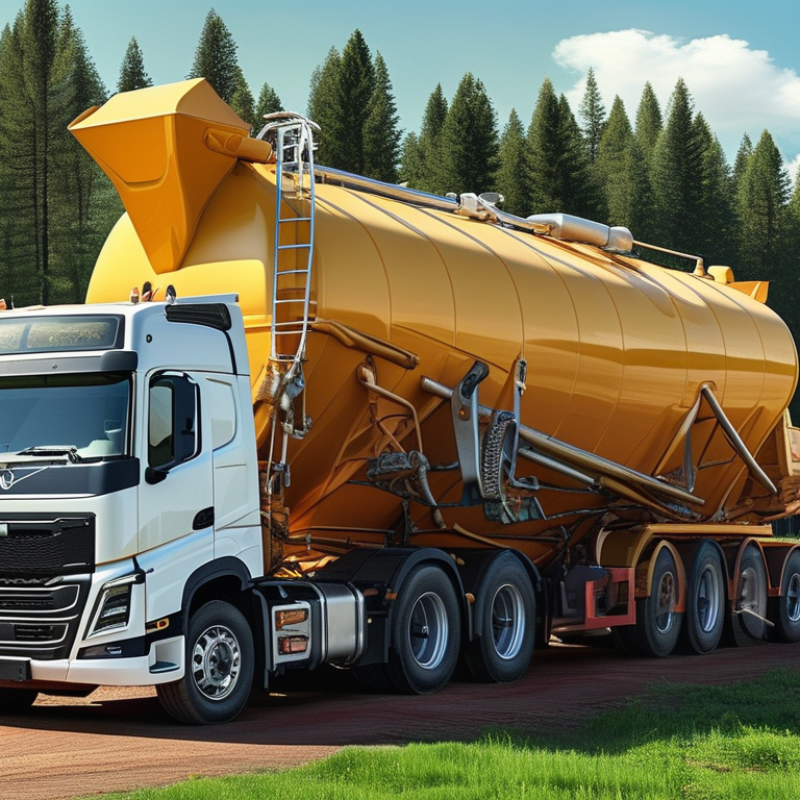
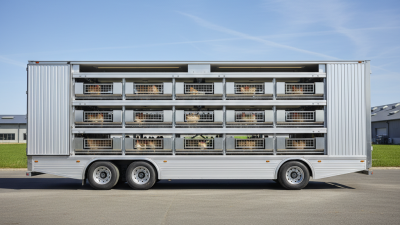
A Bulk Feed Transport Vehicle is designed to efficiently transport large quantities of feed materials, typically for livestock. These vehicles come equipped with specialized containers that maintain the integrity of feed ingredients. Their purpose is to deliver bulk feed from production facilities to farms, ensuring that the food remains fresh and uncontaminated during transit.
These vehicles often feature pneumatic systems or augers for unloading, allowing for quick and efficient transfer. The design varies, but it usually includes insulated tanks to prevent spoilage and contamination. Operators must understand how to load and unload safely, which takes experience. Improper handling can lead to feed loss or contamination, so training is vital.
While bulk feed transport vehicles enhance efficiency, they are not without challenges. Weather conditions can affect loading and unloading, while mechanical issues may cause delays. Regular maintenance is crucial, yet it can sometimes be overlooked. A reliable vehicle is essential, but even the best systems require attention and care to operate effectively. Awareness of these factors makes handling bulk feed safer and more efficient.
What is a Bulk Feed Transport Vehicle?
| Specification |
Description |
| Capacity |
Typically ranges from 500 to 3,000 cubic feet |
| Common Uses |
Transportation of bulk feed, grains, and fertilizers |
| Operating Mechanism |
Uses pneumatic or auger systems for loading and unloading |
| Safety Features |
Equipped with safety shut-off valves and pressure monitoring |
| Material |
Constructed from durable materials like aluminum or stainless steel |
| Weight |
Typically weighs between 5,000 to 15,000 lbs when empty |
| Registration Requirement |
Must be registered with transportation authorities |
Key Components of a Bulk Feed Transport Vehicle
A Bulk Feed Transport Vehicle (BFTV) is essential in the agricultural sector. It helps in transporting large quantities of feed efficiently. Key components of a BFTV make it effective and reliable in this role.
The primary components include the truck chassis, bulk storage tanks, and unloading mechanisms. The truck chassis provides the structural integrity necessary for heavy loads. Bulk storage tanks are designed to maintain the quality of feeds during transport. They often consist of specialized materials that prevent moisture absorption. Unloading mechanisms, like augers and conveyors, enable quick and efficient dispersal at the destination.
Tips for optimizing the use of BFTVs: ensure regular maintenance of the unloading mechanisms. A well-maintained system minimizes breakdowns during crucial delivery times. Implementing a GPS tracking system can also enhance route efficiency, thus reducing fuel consumption.
Another significant component is the safety features incorporated into BFTVs. Load sensors help monitor weight distribution. This ensures stability during transport. Regular assessments can highlight potential improvements that enhance performance. According to industry reports, well-maintained vehicles can significantly decrease operational costs while improving delivery times.
Mechanisms of Bulk Feed Loading and Unloading
Bulk feed transport vehicles are specialized machines designed for efficient loading and unloading of bulk feed. Their primary mechanism involves a series of conveyors and augers, which move the feed from storage to the transport container. During loading, feed is often funneled from silos into the vehicle using a pneumatic system. This process must be carefully monitored to prevent spillage or contamination.
Unloading is equally important. Many bulk feed transport vehicles have hydraulic systems that allow for quick discharge. The feed can be released directly into storage bins or feed troughs. However, there can be challenges, such as clogs or uneven flow. Operators must stay vigilant to ensure proper functioning and to minimize waste. Regular maintenance of the vehicle is crucial. It ensures that the loading and unloading mechanisms operate smoothly and efficiently.
While these systems offer considerable advantages in speed and efficiency, they can be complex. Understanding the nuances of each mechanism is essential for operators. Training and experience play vital roles in improving the efficacy of bulk feed transport operations. Even with the best technology, human oversight remains essential to address any issues that arise during the process.
Safety Considerations in Bulk Feed Transport
When transporting bulk feed, safety must be the foremost consideration. A bulk feed transport vehicle is designed to carry large quantities of feed to farms and ranches. However, improper handling can lead to serious hazards. The design of these vehicles often includes features like sealed compartments to prevent contamination. Yet, even with these measures, vigilance is essential.
Operators must regularly inspect their vehicles. They should check for any signs of leaks or damage. A routine maintenance schedule can prevent accidents. Training for drivers is also crucial. They must understand load limits and the specifics of transport. Ignorance here can create dangerous situations on the road.
Furthermore, adherence to safety regulations is a must. Regulations often vary by location, making it important to stay informed. Failure to comply can result in fines or legal issues. Also, risks like vehicle rollover are always present. Understanding weight distribution can mitigate these risks. It’s clear that safety in bulk feed transport requires constant diligence and responsibility.
Bulk Feed Transport Vehicle Utilization Statistics
Applications and Benefits of Bulk Feed Transport Vehicles
Bulk Feed Transport Vehicles (BFTVs) play a crucial role in agricultural logistics. These vehicles are specially designed to transport large quantities of feed safely and efficiently. According to industry reports, the demand for BFTVs has risen by 20% over the past five years. This rise indicates a growing recognition of their efficiency and cost-effectiveness in the farming sector.
One key application of BFTVs is in the livestock industry. Farmers use these vehicles to deliver feed directly to livestock, minimizing handling times. Reports show that using BFTVs can reduce feed losses by up to 15%. This reduction positively impacts farmers' profitability. Additionally, BFTVs are equipped with advanced technology to monitor feed quality, which can enhance animal health. However, the initial investment can be significant, and farmers must consider their budget and volume needs.
The benefits of Bulk Feed Transport Vehicles extend beyond efficiency. They also help reduce the carbon footprint of transporting feed. Modern designs incorporate fuel-efficient features and lightweight materials. Yet, some challenges remain. Not all BFTVs are equipped for varied terrain, which may limit their usability in certain regions. This limitation can lead to increased logistical inefficiencies, warranting careful evaluation of specific needs before investing.