Top 10 Cold Chain Semi-Trailer Options for Global Buyers?
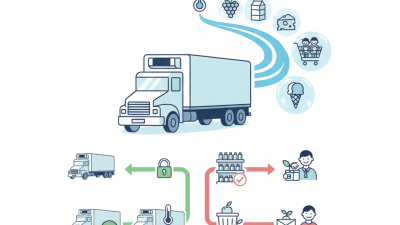
The world of logistics has increasingly focused on efficient transport solutions, especially when it comes to sensitive products. "Cold Chain Semi-Trailer" systems are pivotal in maintaining product integrity during transit. John Smith, an expert in temperature-controlled logistics, emphasizes, “Reliable cold chain logistics is essential for the health of millions.”
In recent years, the demand for these trailers has surged dramatically. Their role in transporting pharmaceuticals, fresh food, and other perishables cannot be overstated. With advancements in technology, modern cold chain semi-trailers offer better insulation and temperature controls. Buyers must navigate various options to find the best fit for their operations.
However, choosing the right cold chain semi-trailer can be challenging. Factors like insulation quality, refrigeration efficiency, and durability often leave buyers pondering their best choice. “Not all trailers perform equally in diverse conditions,” advises John. Buyers must reflect on their unique requirements to make informed decisions. The clarity in choices will significantly impact supply chain efficacy.

Top Features to Consider in Cold Chain Semi-Trailers for Global Buyers
When selecting cold chain semi-trailers, global buyers should focus on a range of vital features. Temperature control technology is paramount. Numerous studies indicate that maintaining optimal temperatures can reduce spoilage rates by up to 30%. This efficiency directly impacts profitability and customer satisfaction. Advanced insulation materials and energy-efficient refrigeration systems must be prioritized.
Another crucial aspect is storage capacity. A well-designed trailer maximizes usable space while complying with weight limitations. Research shows that a 50-foot trailer can typically hold about 40% more freight than a standard 48-foot model. Buyers must consider the nuances of their supply chain.
Visibility and tracking technologies, such as GPS and IoT integration, enhance operational transparency. These features aid in monitoring conditions in real-time.
Durability is essential as well. Cold chain trailers must withstand harsh environments and frequent use. Consider investing in trailers built with corrosion-resistant materials. These can prolong the lifespan of the vehicle while reducing maintenance costs. Lastly, training personnel to effectively utilize advanced technologies is often overlooked but necessary. A well-informed team is vital in ensuring that the cold chain remains intact throughout transport.
Analysis of Cold Chain Semi-Trailer Market Trends and Growth Projections
The cold chain semi-trailer market is evolving rapidly, driven by increasing demand for perishable goods. According to a recent report by MarketsandMarkets, the cold chain logistics market is projected to reach $610 billion by 2025, growing at a CAGR of 15.1%. This growth reflects a significant need for efficient transportation of temperature-sensitive products.
Global food production and pharmaceutical sectors are major contributors to this demand. The rise in e-commerce also plays a crucial role. Consumers increasingly expect fresh produce and medicines delivered at precise temperatures. However, many logistics providers face challenges in maintaining these conditions across long distances. In fact, up to 30% of food is wasted due to improper temperature control.
Moreover, various regulations concerning food safety are tightening. Compliance with these regulations is critical for logistics companies. They must invest in advanced technology for monitoring temperature. Yet, some firms struggle with the cost of retrofitting older trailers with required technology. There is a clear need for innovation and investment in this sector to meet future challenges.
Comparative Study of Temperature Control Technologies in Semi-Trailers
In the field of cold chain logistics, temperature control is crucial for preserving perishable goods. Various technologies are employed in semi-trailers to maintain optimal temperatures. For instance, traditional refrigeration units use vapor compression systems, but advancements have introduced innovative methods. One emerging technology uses thermoelectric cooling, which offers higher efficiency and reduces carbon footprint. According to a study by the American Society of Refrigeration and Air Conditioning Engineers, these systems can achieve energy savings of up to 30%.
When selecting a semi-trailer, consider the type of insulation used. Effective insulation materials can significantly impact temperature retention. Although polyurethane foams are common, some trailers now use vacuum insulated panels for enhanced thermal performance. These panels may raise initial costs but offer long-term savings through reduced energy consumption.
Tip: Ensure that the chosen vehicle has real-time temperature monitoring. This feature helps track temperature fluctuations during transit, ensuring product safety.
Not all temperature control technologies perform equally. While sophisticated systems may promise superior results, they can complicate maintenance. Simplicity may be key in some scenarios. Finding a balance between advanced technology and ease of use can be challenging. Never underestimate the importance of regular maintenance to keep systems functioning efficiently.
Evaluation of Leading Manufacturers and Their Cold Chain Solutions
The cold chain logistics market is rapidly evolving. Industry reports indicate that the global cold chain market size could reach $502.55 billion by 2027, growing at a CAGR of 11.2%. This growth highlights the increasing demand for temperature-sensitive products across various sectors, including pharmaceuticals and food.
Leading manufacturers are innovating their semi-trailer solutions. A study shows that energy efficiency is a primary focus. Many companies are integrating advanced insulation technologies to reduce energy consumption. This not only cuts costs but also minimizes environmental impacts. However, not all solutions are perfect. Some designs struggle with maintaining consistent temperature levels, especially in extreme climates.
Durability is another concern. Reports suggest that trailers face wear and tear, especially on long hauls. Regular maintenance is essential to avoid costly breakdowns. A lack of standardized regulations may lead to inconsistencies in product quality. Buyers must evaluate the reliability of manufacturers’ claims regarding temperature control capabilities. Trusting data from proven industry sources can guide informed decisions.
Top 10 Cold Chain Semi-Trailer Options for Global Buyers
Regulatory Standards Impacting Cold Chain Logistics and Semi-Trailer Design
In the evolving landscape of cold chain logistics, regulatory standards play a crucial role. Stricter regulations ensure product safety and efficacy. For instance, the FDA mandates specific temperature controls for certain pharmaceuticals and food products. Meeting these standards is vital for suppliers aiming to maintain compliance and quality.
Moreover, the European Union mandates temperature monitoring throughout the supply chain. This means that semi-trailers must be equipped with reliable refrigeration and tracking systems. These features prevent spoilage and loss of product integrity. The global cold chain market was valued at approximately $215 billion in 2021 and is projected to grow significantly, highlighting the importance of robust design.
Tip: Always choose semi-trailers that offer real-time temperature tracking. This will help in meeting regulatory requirements effectively and ensuring product safety.
Achieving compliance can be challenging. Different regions have varying regulations. For example, North America has distinct guidelines compared to Asia. Staying informed about local standards is essential for seamless operations. Mishaps can lead to product recalls, impacting brand reputation and finances.
Tip: Regular training for staff on compliance can minimize risks. Empower your team to understand the importance of adherence to regulations.
Top 10 Cold Chain Semi-Trailer Options for Global Buyers
| Model |
Temperature Range (°C) |
Load Capacity (kg) |
Dimensions (mm) |
Features |
| Model A |
-20 to 5 |
15000 |
8000 x 2500 x 4000 |
Refrigeration Unit, Insulated Walls |
| Model B |
-25 to 0 |
20000 |
8500 x 2500 x 4000 |
Multi-Temperature Zones, Tracking System |
| Model C |
-18 to 5 |
16000 |
7600 x 2500 x 4000 |
Dual Refrigeration, Heated Floors |
| Model D |
-20 to 2 |
18000 |
7800 x 2500 x 4000 |
Dynamic Refrigeration, Energy Efficient |
| Model E |
-30 to -5 |
17000 |
8000 x 2500 x 4000 |
Advanced Insulation, Monitor Systems |
| Model F |
-15 to 2 |
19000 |
8200 x 2500 x 4000 |
Reinforced Structure, GPS Tracking |
| Model G |
-25 to -5 |
21000 |
8500 x 2500 x 4000 |
High Capacity Tanks, Increased Airflow |
| Model H |
-20 to 0 |
16000 |
7800 x 2500 x 4000 |
Smart Monitoring, Energy Saving Solutions |
| Model I |
-15 to 5 |
15000 |
8000 x 2500 x 4000 |
Heavy Duty, Maintenance Free Systems |
| Model J |
-20 to 10 |
17500 |
7900 x 2500 x 4000 |
Insulated Covers, Reliable Cooling Units |