2026 Best Livestock Farming Equipment for Global Buyers?
In the evolving landscape of agriculture, the demand for efficient Livestock Farming Equipment has surged. According to a recent report by the Global Agricultural Equipment Association, the livestock equipment market is projected to reach $20 billion by 2026. This reflects a growing recognition of the need for technology that enhances productivity and animal welfare.
Expert in the field, Dr. Emily Johnson, emphasizes the significance of innovation, stating, “Modern livestock farming must leverage advanced equipment to meet global food demands.” This insight aligns with trends showing that farmers are increasingly investing in machinery that optimizes operations. Effective equipment can reduce labor costs and improve the health of livestock, leading to better yields.
However, challenges remain. Not all farmers have access to the latest technologies. This gap can hinder productivity and sustainability. As we delve into the best livestock farming equipment available to global buyers in 2026, it's crucial to consider both innovations and the barriers many face in adopting these solutions. Addressing these concerns will be essential for advancing the industry.
2026 Trends in Livestock Farming Equipment for Global Markets
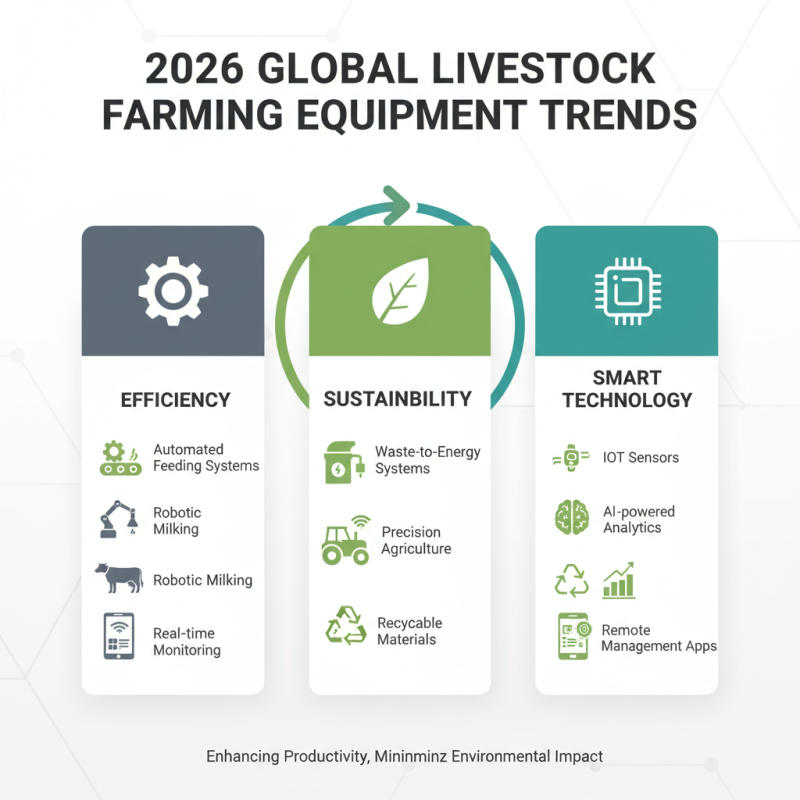
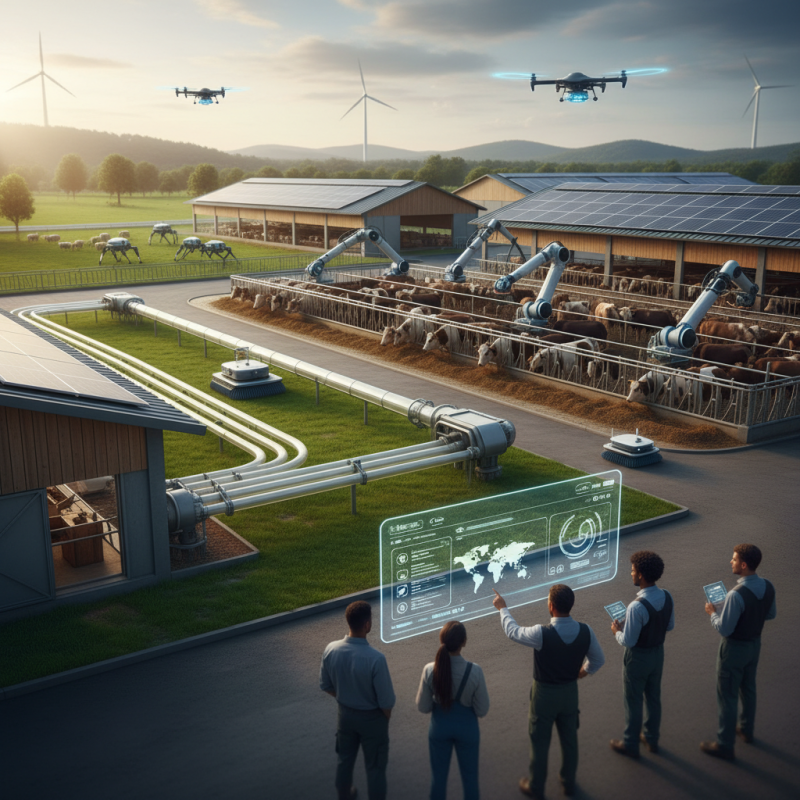
The livestock farming equipment landscape is evolving rapidly. In 2026, global markets will likely see an increased focus on efficiency and sustainability. Farmers are now prioritizing tools that enhance productivity while minimizing environmental impact. Innovations in smart technology are set to revolutionize the way livestock is managed.
One notable trend is the integration of automation. Tools that automate feeding, milking, and monitoring can save both time and labor. These advancements allow farmers to focus on strategic decisions rather than routine tasks. However, reliance on technology can create challenges. Not all farmers possess the tech-savvy needed to implement these tools effectively. Training will be essential for maximizing benefits.
Additionally, biosecurity will remain a top concern. Equipment designed with sanitation features is becoming vital to prevent disease outbreaks. Farmers must balance cost with safety. While advanced equipment offers benefits, investment can be daunting. Reflecting on these trends will help ensure that farming practices evolve responsibly and sustainably.
Key Features Essential for Optimal Livestock Farming Equipment
When considering livestock farming, the right equipment can significantly enhance productivity. Key features are vital for optimizing your operations. Durability is paramount; equipment should withstand harsh weather and intensive use. Look for materials that resist rust and wear. Additionally, equipment should be easy to clean. Hygiene is essential in livestock farming to prevent disease.
Efficiency is another critical aspect. Modern equipment often includes energy-saving features. Smart technology can streamline processes, from feeding to health monitoring. Sensors, for instance, can help you track livestock behavior and identify health issues early. This proactive approach can save time and improve herd management.
Finally, ease of use cannot be overlooked. Equipment should not require specialized skills to operate. Intuitive controls and user-friendly interfaces are important. However, training may still be necessary. Working with complex machinery can lead to mistakes. Assessing your needs carefully will help avoid costly errors. Choosing the right equipment can make a world of difference.
Analyzing the Impact of Technology on Livestock Production Efficiency
As technology evolves, its influence on livestock production efficiency deepens. Modern tools improve animal husbandry practices. Farmers use sensors for monitoring health. These devices provide data on temperature, movement, and feeding habits. Quick feedback helps prevent diseases. Yet, reliance on technology has its drawbacks. Not all farmers can afford these advancements.
Automation further changes the landscape. Robotic feeders and milking machines save time and effort. They ensure animals receive consistent care. However, farmers must learn new skills to manage these tools effectively. Some may feel overwhelmed. A balance between tech and traditional methods is crucial.
Data analytics can optimize herd management. Predictive algorithms help in decision-making. Farmers can assess breeding patterns and nutritional needs in real-time. Still, data security concerns arise. Protecting sensitive information is essential. Embracing technology in livestock farming brings opportunities and challenges. The path forward requires careful consideration and adaptation.
Impact of Technology on Livestock Production Efficiency (2026)
Comparative Review of Top Livestock Equipment Brands in 2026
In 2026, livestock farming equipment sees new advancements. Many brands are competing fiercely. Each brand offers unique features. This comparison highlights their strengths and weaknesses.
One notable trend is automation. Automated feeders and waterers save time and labor. They help farmers focus on other essential tasks. However, costs can be high, leading to debates on long-term value. Not every farmer may see immediate benefits.
Durability is another critical factor. Some equipment can withstand harsh conditions, while others may not last. This inconsistency raises concerns about reliability. Farmers often share experiences that reveal the challenges of choosing the right equipment. Balancing quality and price remains a tough decision for many.
2026 Best Livestock Farming Equipment for Global Buyers
| Equipment Type |
Features |
Price Range (USD) |
User Rating (out of 5) |
| Automatic Feeder |
Programmable, energy-efficient, suitable for both small and large farms |
$2,000 - $4,500 |
4.8 |
| Livestock Scale |
High accuracy, digital readout, portable options available |
$800 - $2,000 |
4.5 |
| Watering System |
Automatic refill, temperature control, and filtration system |
$500 - $1,200 |
4.7 |
| Cattle Crush |
Durable, easy access, safety features for veterinary care |
$1,500 - $3,000 |
4.6 |
| Manure Spreader |
Heavy-duty, adjustable settings, and high capacity |
$2,500 - $5,000 |
4.4 |
Global Supply Chain Challenges Affecting Livestock Farming Equipment
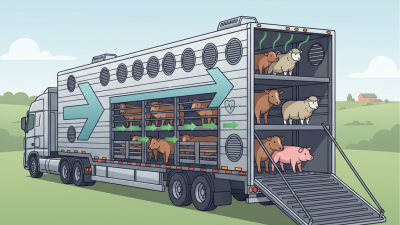
Global supply chain challenges significantly impact livestock farming equipment. Farmers are facing delays and increased costs for essential tools. Equipment shortages can hinder growth and productivity. The need for reliable resources is critical in such a turbulent market. Farmers must adapt and innovate to survive.
Tips: Prioritize sources that are local and reliable. This can reduce delays and insecurity in supply. Consider diversifying suppliers to minimize risks. Collaborating with other farmers can also lead to bulk purchasing benefits.
Logistics disruptions complicate the procurement process. Transportation issues and port congestion are rising concerns. These complications often lead to inflated prices. Farmers must be proactive and flexible in their operations. Embracing digital tools may alleviate some logistical burdens.
Tips: Explore digital marketplaces for better access to diverse suppliers. Use technology for inventory management to increase efficiency. Keeping communication open with suppliers can lead to better understanding and smoother transactions.