10 Tips for Choosing the Right Bulk Feed Transport Vehicle
Choosing the right Bulk Feed Transport Vehicle is critical for efficient operations in the agricultural sector. According to a recent industry report by the Agricultural Transport Association, 75% of feed losses occur during transportation due to inadequate vehicles. These statistics highlight the importance of selecting the right vehicle to mitigate risks and ensure quality feed reaches livestock.
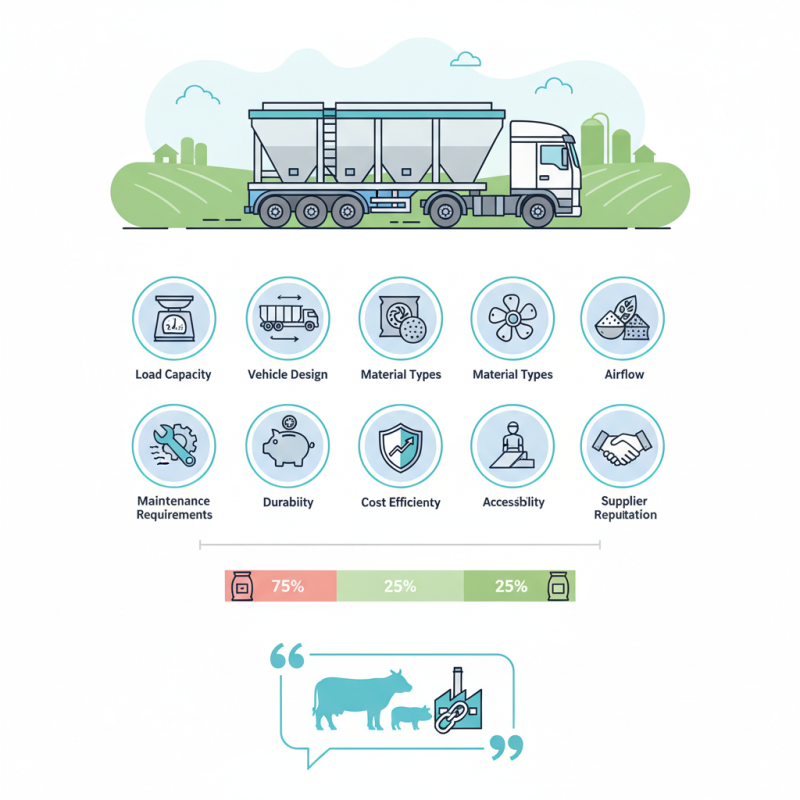
Expert in bulk feed logistics, John Matthews, emphasizes, "The right vehicle can significantly reduce spoilage and improve cost efficiency." Understanding the specific needs for transporting bulk feed is essential. Factors such as load capacity, vehicle design, and even material types can affect overall performance.
Despite the available options, many businesses struggle with their choices. Some may overlook crucial details like airflow or vehicle maintenance requirements. Identifying the best fit demands careful evaluation and sometimes, a willingness to rethink existing strategies. Prioritizing these factors can lead to better outcomes in feed quality and supply chain efficiency.
Understanding the Types of Bulk Feed Transport Vehicles Available
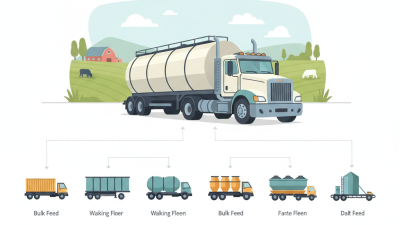
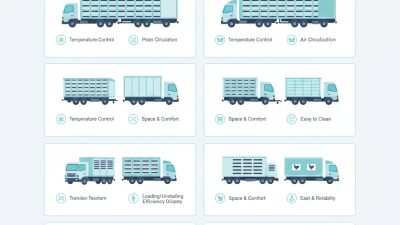
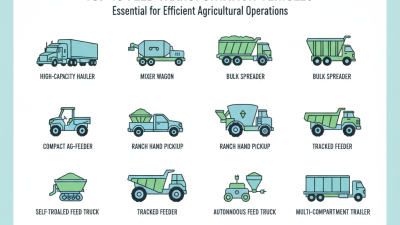
When choosing a bulk feed transport vehicle, understanding the different types available is crucial. Options vary widely, including trailers, trucks, and specialized containers. Each type has strengths and weaknesses. Trailers are great for flexibility but can be harder to maneuver. Trucks offer stability but might limit loading capacity. Specialized containers are effective for certain feeds but can be more costly.
Consider your specific needs. What kind of feed are you transporting? Are you prioritizing volume or distance? These questions matter. Always check if the vehicle can handle the weight required. Look for vehicles that offer easy loading and unloading features. This can save time and effort.
Additionally, evaluate the vehicle’s maintenance requirements. Complex systems may lead to downtime. A simpler design can be more efficient. Don't overlook the importance of driver comfort and safety. A well-designed cab can enhance performance. Make sure to inspect the vehicle closely before purchasing. This way, you can avoid future regrets.
Evaluating Load Capacity and Weight Requirements for Your Needs
When evaluating load capacity and weight requirements for bulk feed transport vehicles, understanding the specifics is crucial. The average bulk feed truck has a load capacity ranging from 20,000 to 30,000 pounds. However, it is important to assess the actual weight of your materials. For instance, certain types of feed can weigh more than others based on moisture content and formulation. This variance can impact the choice of the vehicle significantly.
Transporting feed with improper weight distribution can lead to issues. An imbalance might lead to increased wear on tires and suspension systems. Moreover, the Federal Highway Administration states that overloaded trucks are a leading cause of accidents on highways. A mistake in calculations can lead to fines or even damage to infrastructure. Regular audits and reviews of load weights ensure compliance and safety.
The right vehicle must also accommodate for future needs. If production increases, you might need additional capacity. Reflecting on your operational trends is wise. If you anticipate a rise in demand, investing in a vehicle with a higher load capacity could be beneficial. This forward-thinking approach can save costs in the long run and prevent logistical headaches.
Load Capacity of Different Bulk Feed Transport Vehicles
Assessing Vehicle Compatibility with Various Feed Types
When selecting a bulk feed transport vehicle, consider how it matches with various feed types. Different feeds have unique characteristics that can influence vehicle choice. For example, granulated feeds require a vehicle with good airflow. It helps prevent clumping and spoilage. On the other hand, liquid feeds need a tank that can handle viscosity.
Evaluate the vehicle’s material composition as well. Some feeds can be corrosive. Using the wrong materials may lead to damage or contamination. A lack of compatibility can increase maintenance costs. It may also affect feed quality. Think about the loading and unloading process as well. Some feeds are heavy, while others are light. If a vehicle isn’t suited for the weight, it can lead to inefficiency.
Don’t overlook the importance of regular inspections and maintenance. Even the best vehicles can have unanticipated issues. Small leaks can create significant problems, leading to wasted feed. Testing compatibility with different feed types over time is essential. It helps identify areas needing improvement or adjustment. By paying attention to these details, you can enhance operational efficiency and feed safety.
Considering Fuel Efficiency and Operational Costs for Transportation
When selecting a bulk feed transport vehicle, fuel efficiency is a top priority. High fuel costs can drastically affect overall operational expenses. Look for vehicles with advanced engine technology. These often provide better mileage. Smaller vehicles may use less fuel but might not hold enough load. Balancing size and efficiency is key.
Moreover, consider the total cost of ownership. A vehicle's initial price is just one factor. Maintenance expenses can add up quickly. A vehicle that seems affordable may require more frequent servicing. Carefully evaluate long-term costs before making a decision. Consider the age and reliability of models too. Newer vehicles might have better fuel ratings, but they typically come at a premium.
Operational costs involve more than just fuel and maintenance. Think about insurance costs, taxes, and depreciation. These elements can influence your budget significantly. Sometimes, older vehicles take more time to repair and replace. Reflecting on these factors can help you make a wise investment. Ensure you weigh all aspects before choosing the right bulk feed transport vehicle.