How to Choose the Best Ice Cream Transport Vehicle for Your Business?
Choosing the right Ice Cream Transport Vehicle for your business is crucial. A well-designed vehicle ensures your ice cream remains at the perfect temperature. It also enhances your brand image. However, selecting the best option can be challenging. Many factors come into play.
You need to consider capacity, insulation, and ease of access. A vehicle that is too small will limit your sales. On the other hand, oversized vehicles can lead to wasted space. Each choice carries its own set of trade-offs.
Reflecting on your unique business needs will guide your decision. Analyze your target market and delivery routes carefully. This will help you avoid common pitfalls. Ultimately, a sound choice in an Ice Cream Transport Vehicle can boost your operations significantly.
Understanding Your Ice Cream Business Needs
When considering the best ice cream transport vehicle for your business, understanding your needs is critical. Your target market influences vehicle selection. A mobile ice cream truck might suit crowded events, while a van works for deliveries. Think about how much ice cream you sell. High volume requires larger vehicles.
Tips: Measure your daily production. A smaller vehicle may limit your capacity. Analyze your typical routes. Long trips might need better insulation and refrigeration options.
Evaluate your budget. High-quality vehicles can cost more. But investing in durability saves money in the long run. Explore leasing options to manage costs effectively.
Tips: Be realistic about your spending. Track expenses closely to avoid financial strain. Remember, less may be more when starting out. Prioritize essentials over luxury features.
Evaluating Different Types of Ice Cream Transport Vehicles
When evaluating ice cream transport vehicles, consider the specific needs of your business. The right vehicle will keep your ice cream at the perfect temperature during delivery. Many options exist, including refrigerated vans and insulated carts. Each type has its advantages and potential drawbacks.
Refrigerated vans offer more space and sustained temperature control. However, they can be costly to maintain. Insulated carts are more budget-friendly but may require more careful monitoring. Both options rely on frequent checks to ensure product quality. Think about your delivery frequency and distance when making a choice.
Safety and hygiene also matter. Ensure your chosen vehicle meets health regulations for food transport. Regular cleaning and maintenance are essential. Many owners overlook these aspects, leading to potential issues. Also, consider your brand’s image. A well-maintained vehicle can enhance customer perception. Overall, reflecting on these factors will guide you to a better decision.
Key Features to Look for in Ice Cream Delivery Vehicles
When selecting an ice cream transport vehicle, consider essential features that ensure product quality. Temperature control is crucial. Look for vehicles with reliable refrigeration systems. These systems should maintain optimal temperatures to prevent melting. Transit time affects ice cream texture and flavor.
Payload capacity is another important factor. Choose a vehicle that can accommodate your expected volume of ice cream. This might vary based on your delivery routes. Insulated compartments can help manage temperature during longer journeys. Pay attention to design too. A user-friendly layout can improve efficiency during loading and unloading.
Don't overlook the vehicle's fuel efficiency. Operating costs will impact your bottom line. Evaluate maintenance needs over time. Some vehicles require frequent servicing, which can add up. Balancing features and costs can be challenging. Weigh the pros and cons carefully.
How to Choose the Best Ice Cream Transport Vehicle for Your Business? - Key Features to Look for in Ice Cream Delivery Vehicles
| Feature |
Description |
Importance |
| Temperature Control |
Systems to maintain optimal temperature to keep ice cream frozen. |
Essential for product quality. |
| Storage Capacity |
Space available for ice cream containers and related supplies. |
Determines how much product can be transported. |
| Fuel Efficiency |
How efficiently the vehicle consumes fuel. |
Affects operational costs. |
| Durability |
The ability to withstand wear and tear during transport. |
Ensures long-term investment value. |
| Accessibility |
Ease of loading and unloading ice cream products. |
Speeds up delivery operations. |
| Safety Features |
Safety measures for both driver and cargo. |
Protects assets and personnel. |
| Vehicle Size |
Dimensions that affect maneuverability and parking. |
Affects urban delivery capabilities. |
Cost Analysis: Budgeting for Your Ice Cream Transport Vehicle
When budgeting for an ice cream transport vehicle, consider both initial and ongoing costs. The purchase price is just the beginning. You must also factor in maintenance, fuel, and insurance. These expenses can add up quickly. A used vehicle might save you money upfront, but check its reliability before purchasing. An unreliable vehicle can lead to costly repairs and lost business.
Evaluate your storage needs carefully. For ice cream, temperature control is crucial. A vehicle equipped with proper refrigeration may come with a higher price tag. However, investing in quality ensures your product remains safe and fresh. Inspect the vehicle's insulation and cooling system. Ask how often they fail. This can reflect the vehicle’s long-term reliability.
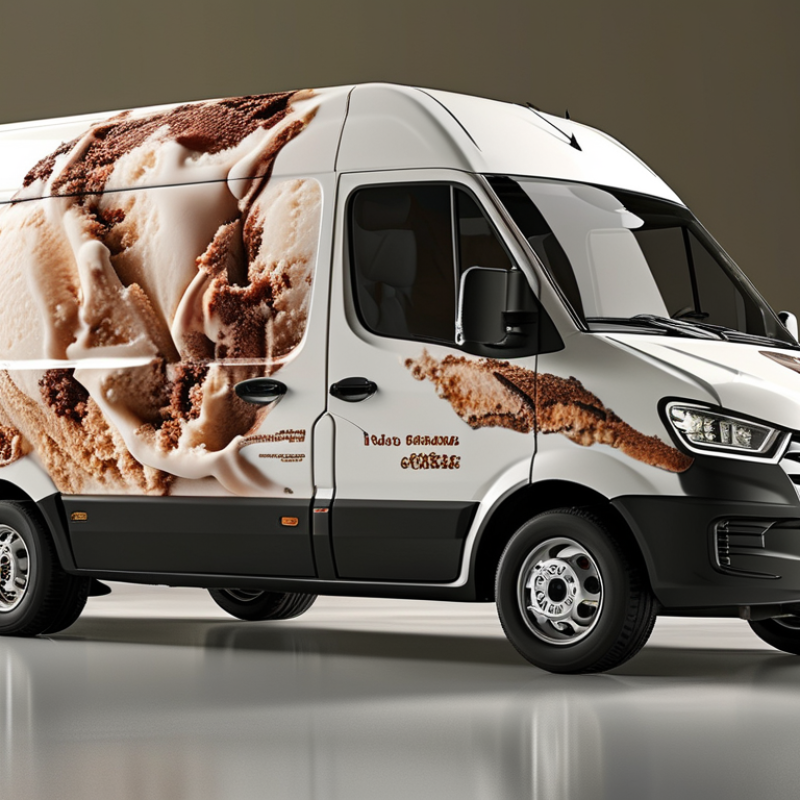
Don’t forget to calculate the cost of branding on your vehicle. Eye-catching graphics can attract customers, turning your transport into a marketing tool. However, ensure this fits within your budget. It might require a revaluation of other expenses. Balancing quality and cost is key. Reflect on what matters most to your business and make adjustments in other areas if needed.
Maintenance and Operational Considerations for Ice Cream Vehicles
When choosing the right vehicle for ice cream transport, maintenance cannot be overlooked. Regular inspections play a crucial role. Check the refrigeration system routinely. A malfunction can lead to melted products and lost sales. Pay attention to seals and insulation. These components ensure optimal temperature control.
Operational considerations are equally important. Train your staff on vehicle handling. They should understand how to operate the refrigeration unit efficiently. Improper use can lead to fluctuations in temperature, affecting the quality of your ice cream. Cleaning protocols should also be established. Failure to keep the vehicle clean can influence both health standards and customer perception.
Budget for maintenance costs. Vehicles require ongoing attention. This includes oil changes, tire replacements, and more. Be prepared for unexpected repairs, as they can disrupt operations. Planning ahead ensures your business runs smoothly, delivering quality ice cream to your customers consistently.
Ice Cream Transport Vehicle Maintenance and Operational Considerations