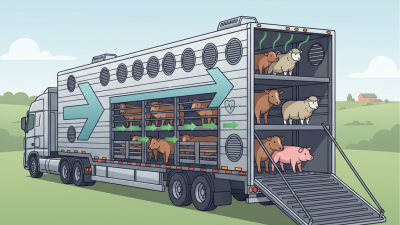
Top Poultry Transport Vehicle Options for Efficient Livestock Handling?
In the poultry industry, effective transportation is crucial. Choosing the right Poultry Transport Vehicle can make a significant difference. Dr. Emily Carter, a renowned expert in livestock management, once stated, "The right vehicle can enhance both efficiency and animal welfare during transport."
Transporting poultry requires specialized vehicles designed to minimize stress and injury. These vehicles must ensure proper ventilation, temperature control, and secure loading. Effective design can contribute to healthier birds, leading to better quality meat and eggs. However, not all options may fit every farm's needs.
Farmers must evaluate various aspects, such as capacity and road conditions, before making a decision. Investing in a well-suited Poultry Transport Vehicle can be a substantial financial commitment. Hence, farmers often grapple with balancing cost and functionality. This choice is pivotal for sustaining a successful poultry operation. Careful consideration and expert advice are key to these decisions.
Key Features to Consider in Poultry Transport Vehicles
When selecting poultry transport vehicles, key features significantly influence efficiency. One critical aspect is ventilation. Proper airflow ensures animal welfare during transport. Studies indicate that well-ventilated vehicles can reduce stress levels in birds by 30%. Stress can lead to decreased quality and increased mortality rates.
Another essential feature is the design of the loading and unloading mechanisms. Ease of access can minimize handling time. It’s reported that more efficient handling reduces injury rates by up to 20%. When planning logistics, consider the weight capacity. Vehicles should accommodate various load sizes without compromising stability. Overloading can lead to accidents and costly losses.
Monitoring systems are also becoming vital in modern poultry transport. Real-time tracking not only enhances biosecurity but also improves accountability. Data-driven approaches show that companies using tracking systems see a 15% increase in operational efficiency. Evaluating these features is crucial for any poultry operation aiming for success in a competitive market.
Types of Poultry Transport Vehicles Available in the Market
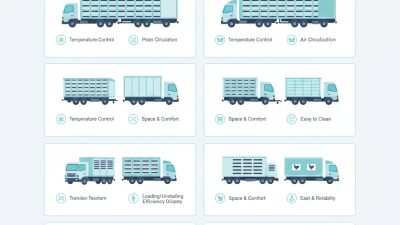
When it comes to transporting poultry, various vehicle types serve distinct needs. Flatbed trucks are common; they allow for quick loading and unloading. However, open beds expose birds to weather, which can be detrimental. Enclosed vans provide better protection but can be harder to access. Choosing the right vehicle depends on the distance and climate experienced during transport.
Another option is modular transport units. These units come with adjustable compartments to suit different flock sizes. They help optimize space but may require more careful handling during loading. Livestock trailers are also available, often featuring specialized ventilation systems. Yet, not all models cater to the unique needs of poultry, which can lead to stress during journeys.
Implementing the right transport vehicle is crucial. It directly impacts the health and well-being of the birds. Some vehicles may consume more fuel or require costly maintenance. This can lead to inefficiencies, affecting overall operation costs. As the industry evolves, it's essential to reflect on the balance between cost and humane practices in poultry transport.
Benefits of Specialized Poultry Trucks for Livestock Health
Specialized poultry trucks play a crucial role in ensuring the health and welfare of livestock during transport. The design of these vehicles helps maintain optimal air circulation and temperature control. Studies show that temperature variations can stress poultry, potentially leading to high mortality rates. Effective transport solutions can reduce stress-related losses by 30% or more.
The use of proper bedding materials can further enhance animal comfort. Bedding absorbs moisture and improves overall hygiene in the truck. Research indicates that using high-quality bedding can significantly lower infections among transported flocks. Inadequate handling practices can lead to injuries and illness. Properly designed trucks mitigate these risks, ensuring that birds arrive at their destination healthy.
Unexpected challenges can arise during transportation, such as delays or mechanical failures. Reflecting on these situations highlights the need for contingency plans. Truck operators must be well-trained in animal handling and stress management. Ensuring livestock safety is not just about having the right vehicle; it also involves skilled personnel who can make quick, informed decisions. This holistic approach leads to improved outcomes for poultry transportation.
Top Poultry Transport Vehicle Options for Efficient Livestock Handling
| Vehicle Type |
Capacity (Birds) |
Features |
Benefits |
| Standard Poultry Truck |
1500 |
Ventilated design, Loading ramp |
Improves airflow, Easy loading |
| Climate-Controlled Unit |
1200 |
Temperature regulation, Insulated walls |
Maintains optimal health conditions |
| Livestock Trailer |
2000 |
Multi-deck system, Easy access |
Maximizes space, Reduces handling stress |
| Poultry Crate Transporter |
600 |
Secure stacking, Removable partitions |
Safe transport, Easy cleaning |
| Flatbed Truck |
Varied |
Customizable, Strong frame |
Flexible loading options, Durable |
Best Practices for Loading and Unloading Poultry Efficiently
Efficient loading and unloading of poultry requires careful planning. Start by preparing the transport vehicle with clean surfaces and proper ventilation. Ensure the vehicle is equipped with the right features to minimize stress during transit. Good airflow and appropriate temperature control can significantly reduce distress among birds.
When loading, use a gentle approach. It's important to guide the birds calmly into the vehicle. Avoid loud noises or sudden movements that could startle them. Group birds by size and weight for a balanced load. This reduces the risk of injury and promotes comfort.
During unloading, act swiftly but carefully. Quick actions prevent unnecessary chaos. It's crucial to ensure that escape routes are clear. Always monitor the birds’ behavior to identify signs of stress. Reflecting on past experiences can enhance future handling strategies. Keeping records of loading and unloading practices helps pinpoint areas for improvement. Prioritizing these practices promotes better welfare for the livestock.
Top Poultry Transport Vehicle Options for Efficient Livestock Handling
The chart above illustrates the efficiency ratings of different poultry transport vehicle options based on various criteria such as ease of loading/unloading, temperature control, and overall suitability for livestock handling. Closed transport units score the highest in efficiency, while traditional cages fall short.
Regulatory Standards for Poultry Transport Vehicle Design and Operation
Regulatory standards play a vital role in the design and operation of poultry transport vehicles.
These standards ensure the safety and welfare of the birds during transport. Vehicles must have proper ventilation,
temperature control, and adequate space for the poultry. These factors are crucial to prevent stress and injury during transit.
Compliance with regulations is not always straightforward. Many transporters struggle with understanding the nuances of these standards. Some vehicles may
fail to meet criteria for loading and unloading times. Others might lack sufficient insulation or temperature monitors.
This variability can compromise the effectiveness of transport and the well-being of the livestock.
Training transport personnel on these regulations is essential. Knowledgeable staff can better manage the handling and care of birds.
Regular audits and inspections also help identify areas for improvement. However, it can be a challenge
to keep up-to-date with changing regulations. This evolving landscape requires transporters to remain vigilant and adaptive.