Top 10 Benefits of Cold Chain Vehicles for Safe Food Transportation?
Cold chain vehicles play a crucial role in ensuring the safe transportation of perishable food items. According to a report by the Global Cold Chain Alliance, nearly 30% of food produced globally is wasted due to temperature mishandling in transportation. This highlights the critical need for reliable cold chain logistics.
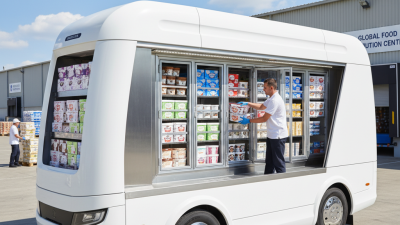
These vehicles are specially designed to maintain specific temperature conditions, safeguarding food quality and safety. With a continuous temperature control mechanism, cold chain vehicles help minimize spoilage and extend shelf life. They are essential for transporting products like fresh produce, dairy, and meats, which are particularly sensitive to temperature changes.
However, not all cold chain vehicles are created equal. Many operators still face challenges in maintaining optimal temperatures during transit. Insufficient training and outdated equipment can lead to inefficiencies. As the industry evolves, embracing technology and data-driven solutions will be essential for improvement. The introduction of smart features could enhance performance and transparency in cold chain operations, ultimately benefiting consumers and suppliers alike.
Understanding Cold Chain Vehicles and Their Importance in Food Safety
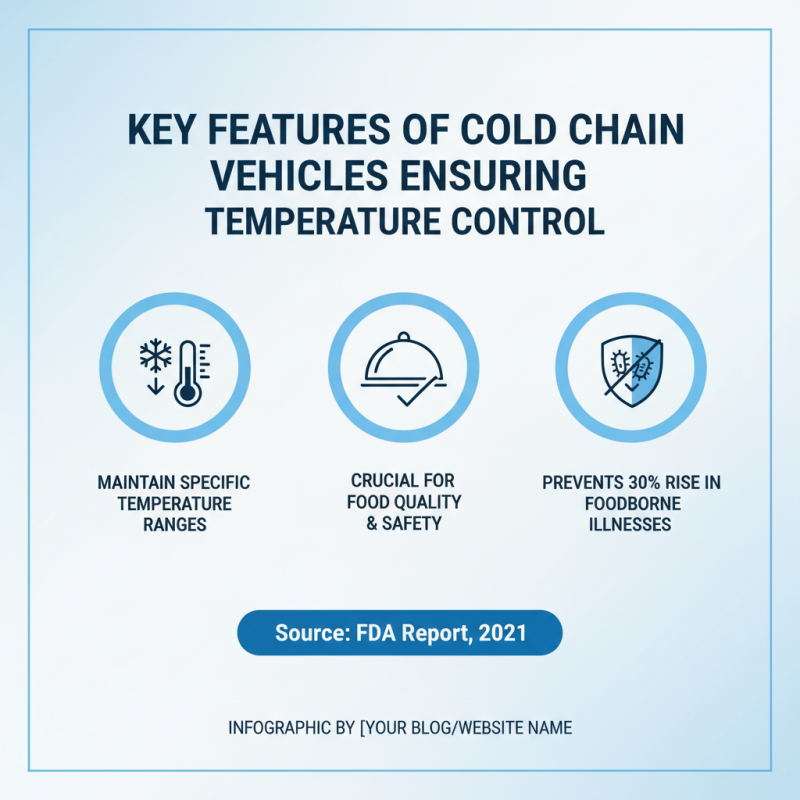
Cold chain vehicles play a crucial role in food safety. These specialized vehicles help maintain the right temperature for perishable goods. Maintaining specific temperature ranges ensures food stays fresh and safe during transportation. Any temperature fluctuation can lead to spoilage or allergic reactions. This is especially vital for products like dairy, meat, and seafood.
When using cold chain vehicles, here are some tips to consider. Always check the temperature controls before loading your goods. Continuous monitoring is essential to ensure optimal conditions. Make sure to use high-quality insulation and reliable refrigeration systems. These factors greatly minimize the risk of temperature breaches during transit.
Another important aspect is properly loading and unloading. Avoid leaving doors open for long periods. This can allow warm air to enter, affecting the temperature inside. Train your staff on best practices for handling items in the cold chain. A little attention to these details can lead to significant improvements in food safety. Always reflect on your processes. There is always room for improvement, especially in a dynamic logistics environment.
Benefits of Cold Chain Vehicles for Preserving Food Quality and Freshness
Cold chain vehicles play a crucial role in maintaining food quality and freshness during transportation. These specialized vehicles are equipped with temperature-controlled systems. They ensure that perishable goods remain at optimal temperatures. For example, fresh vegetables, dairy products, and frozen meats require specific temperature ranges to avoid spoilage.
One notable advantage is reduced food waste. When food is kept at the right temperature, it lasts longer. This helps suppliers and retailers minimize losses. However, costly technical failures or human errors in handling can disrupt the cold chain. Even a minor temperature fluctuation could lead to significant losses.
Moreover, the convenience of cold chain vehicles allows for longer transportation routes. This is especially beneficial in global trade. Fresh foods can reach distant markets without sacrificing quality. But there is always a risk. Not all cold chain systems are perfect. Regular maintenance and monitoring are essential to ensure efficiency. Addressing these challenges can lead to improved freshness and quality for consumers.
Reducing Food Waste Through Efficient Cold Chain Logistics Systems
The cold chain logistics system plays a crucial role in reducing food waste. According to the Food and Agriculture Organization (FAO), approximately one-third of food produced globally is wasted. This waste mainly occurs during transportation and storage. Cold chain vehicles can significantly mitigate this by maintaining optimal temperatures. They help in preserving perishables like fruits, vegetables, and dairy products.
In a 2022 report, it was found that effective cold chain solutions can reduce food spoilage by up to 50%. This statistic highlights the need for improved logistics frameworks. Transporting food at ideal temperatures ensures freshness and quality. However, challenges remain. Many logistics companies still lack proper cold chain infrastructure. This results in lost products, revenue, and environmental sustainability. As storage and transport costs rise, companies must reflect on their systems.
Moreover, cold chain gaps exist in many regions. Developing countries often struggle with energy reliability. This affects their ability to use cold chain logistics effectively. Studies show that enhancing cold chain capabilities can raise economic returns significantly. It can also meet growing consumer demands for fresh,
healthy food. Investing in efficient systems is essential for future sustainability. Although progress is being made, continuous improvement and investment are needed to maximize the benefits of cold chain vehicles.
Top 10 Benefits of Cold Chain Vehicles for Safe Food Transportation
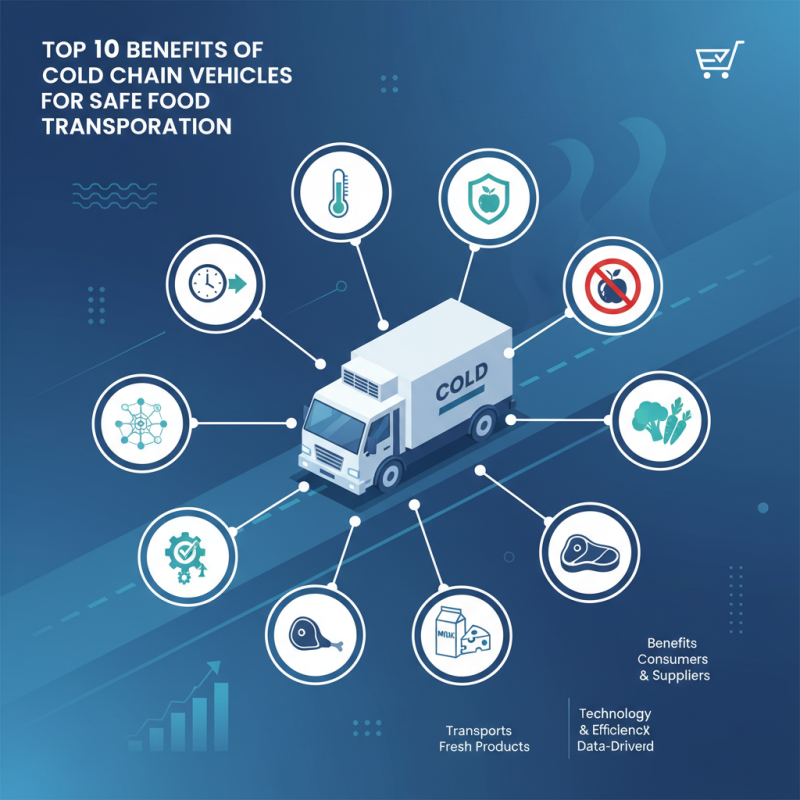
This chart illustrates the top benefits of using cold chain vehicles for food transportation. Efficient cold chain logistics play a crucial role in reducing food waste and ensuring food safety.
Regulatory Compliance and Safety Standards for Cold Chain Transportation
Ensuring regulatory compliance and safety standards in cold chain transportation is crucial for food quality. Vehicles must maintain a specific temperature range to avoid spoilage. Monitoring these conditions is part of meeting regulatory requirements. An audit trail of temperature logs helps businesses demonstrate adherence to safety standards.
Tips: Regularly train staff on compliance. They should understand the importance of maintaining proper temperatures. Create a checklist for vehicle inspections. Accurate documentation is key.
Additionally, improper handling can lead to regulatory violations. Small errors can have costly consequences. Equipment failures or human mistakes may result in product loss. Companies should invest in real-time tracking technology. This helps respond to issues quickly before the food is affected.
Tips: Review protocols often. Ensure that technology is functioning as intended. Evaluate if employees need refresher training on safety standards. Every step counts in cold chain transportation.