Choosing the right Fresh Food Transport Vehicle is crucial in today’s food supply chain. According to a report by the Global Food Safety Initiative, ensuring the right temperature during transport minimizes spoilage by 50%. Experts emphasize this aspect. One such expert, John Morris, stated, “The vehicle's temperature control can make or break product quality.”
Transport vehicles need efficient refrigeration systems. Fresh food requires specific conditions. Failing to meet these can lead to significant losses. As per industry data, up to 30% of fresh food is wasted due to inadequate transport practices.
Many businesses underestimate this issue. They might cut corners on vehicle maintenance. This often leads to a decline in food freshness. More focus on the right transport solution is essential. Inadequate choices can affect customer trust and profit margins. The right Fresh Food Transport Vehicle is not just a choice; it's a necessity for quality assurance.
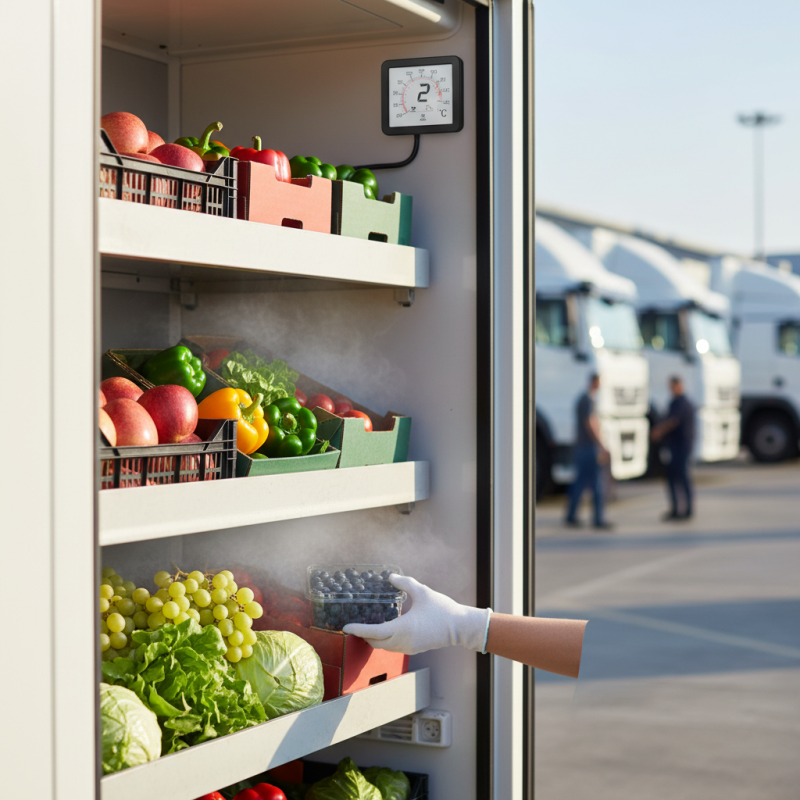
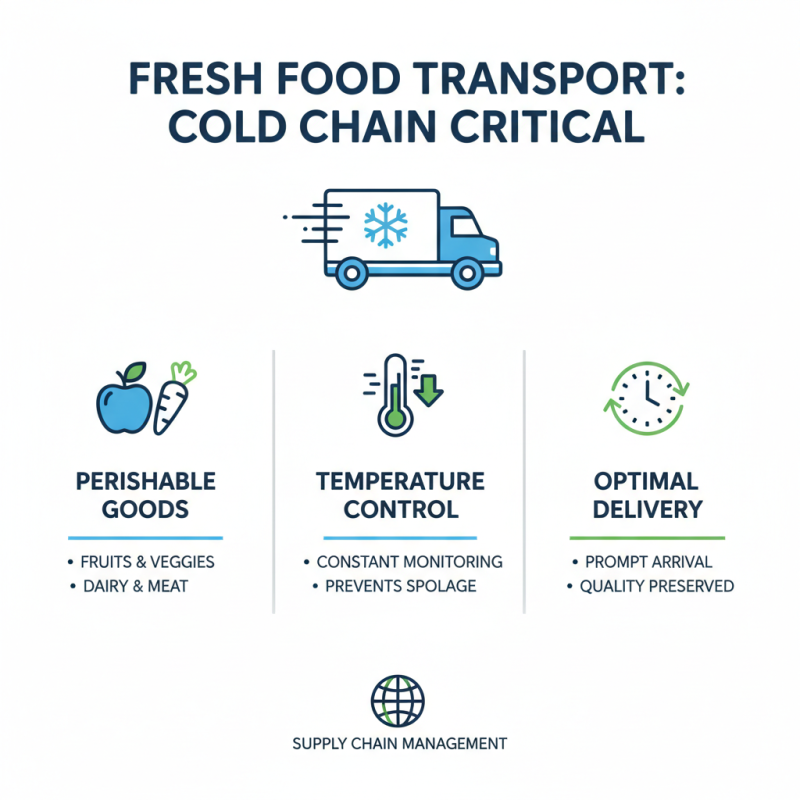
Fresh food transport vehicles play a crucial role in supply chain management. They ensure that perishable goods reach their destination promptly and in optimal condition. Temperature control must be monitored carefully. Any lapses can lead to spoilage or loss of quality. For example, fruits and vegetables can deteriorate quickly if not kept cool.
Effective logistics are essential in minimizing waste. A well-designed transport system integrates refrigeration, packaging, and route planning. However, not all vehicles are equipped to handle the unique demands of fresh food. Some carriers might lack insulation or proper airflow, leading to uneven temperatures. This can create hotspots in trucks, risking the freshness of the produce.
Choosing the right vehicle requires thoughtful consideration. Understanding specific needs is vital, whether transporting meat, dairy, or produce. However, many companies focus solely on costs, overlooking potential losses from spoilage. This can create significant issues in the supply chain. Managers must keep refreshing their strategies and explore new technologies. Balancing efficiency with quality might be challenging, but it is essential for success.

When selecting fresh food transport vehicles, several key factors are vital. Temperature control is essential. Fresh produce and dairy require specific temperatures to stay fresh. Vehicles must have reliable refrigeration units. This directly affects food quality. A vehicle that fails to maintain temperature can lead to spoilage.
Another critical factor is vehicle size and layout. A larger capacity can help transport more goods, but it may also mean higher fuel costs. Consider the type of items being transported. Delicate items need secure packaging and space. A well-designed layout can minimize damage during transport. Understanding the balance between capacity and efficiency is crucial.
Also, look into the vehicle’s accessibility. Easy loading and unloading can save time. Vehicles with flexible designs can adapt to various transport needs. Think about your specific operational requirements. It’s important to reflect on previous experiences. Past mistakes can inform better choices today. Analyzing these factors can lead to improved efficiency and reduced waste in the long run.
Choosing the right fresh food transport vehicle is crucial for maintaining quality. Various vehicles serve different needs in the food supply chain. For instance, refrigerated trucks are essential for transporting perishable items. According to a report from the Food and Agriculture Organization, about 1.3 billion tons of food are wasted each year, with poor transport conditions being a significant factor.
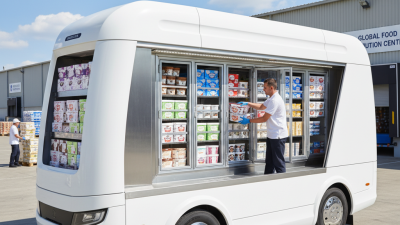
Not all vehicles are suitable for every type of fresh food. For example, vans equipped with temperature control may work well for fruits and vegetables. Meanwhile, larger refrigerated containers are better for bulk deliveries. Statistics indicate that about 60% of food spoilage occurs during transport, emphasizing the need for effective vehicle choice. The right vehicle can minimize losses and ensure freshness.
However, the cost of specialized vehicles can be high, causing challenges for smaller businesses. Some may rely on standard vehicles, risking spoilage. The industry still grapples with these logistical issues. Continuous improvement is needed to address the gaps in food transport practices. Choosing the appropriate vehicle is not just about transport; it’s about preserving quality and reducing waste.
Transporting fresh food requires careful consideration of temperature control. The right transport vehicle can significantly influence food quality. According to the USDA, maintaining proper temperatures can reduce spoilage rates by up to 30%. Fresh fruits and vegetables, for instance, are sensitive to temperature fluctuations. A slight increase can lead to deterioration in texture and flavor.
When selecting a transport vehicle, consider insulation and refrigeration effectiveness. Many products need specific temperature ranges. For example, leafy greens thrive at 32°F, while tropical fruits do better around 55°F. Any deviations can shorten shelf life dramatically.
**Tips:**
Invest in vehicles with real-time temperature monitoring. This technology provides transparency throughout the transport process. Regular maintenance checks on refrigeration systems are crucial to avoid unexpected failures. Remember that poor temperature control can have lasting effects on your product quality, reputation, and ultimately your bottom line.
Choosing the right vehicle for fresh food transport is critical. Regulatory compliance and safety standards significantly influence this choice. Each region has specific guidelines to ensure food safety. Transport vehicles must meet these regulations strictly. Failure to comply can lead to severe penalties. It can also harm the reputation of the business involved.
Temperature control is essential for transporting perishables. Vehicles should maintain appropriate temperatures throughout the journey. Regular checks should be made to ensure this. Proper insulation and refrigeration systems are vital. Some companies overlook these details. They may cut costs but risk food spoilage and safety.
Understanding local regulations can be challenging. Requirements differ from place to place. It’s easy to make mistakes if one isn't attentive. Providers may not always offer clear guidance. Companies must invest in training and resources. This ensures that their fleet meets all necessary standards. Regular audits can also help identify gaps. Small oversights can lead to larger issues down the line. Taking these aspects seriously helps protect public health.
| Dimension | Details | Regulatory Compliance | Safety Standards |
|---|---|---|---|
| Vehicle Size | Varies based on load capacity, typically from 10 to 50 cubic meters | Must meet weight limits set by local regulations | Must comply with U.S. DOT safety standards |
| Temperature Control | Refrigerated vehicles maintain temperature between 32°F and 41°F | Must comply with FDA guidelines for perishable goods | Included temperature monitoring systems required |
| Hygiene Standards | Regular cleaning protocols and sanitization measures | Must pass health inspections | Compliance with HACCP principles |
| Material Quality | Food-safe, non-toxic materials used in construction | Materials must meet food safety regulations | Durability standards for food transport |
| Driver Training | Training on food safety and handling protocols | Adherence to training requirements set by local authorities | Safety training certifications required |