How to Choose the Right Livestock Semi Trailer for Your Needs?
Choosing the right Livestock Semi Trailer is crucial for farmers and ranchers. This decision impacts animal safety, road compliance, and operational efficiency. A suitable trailer enhances the transportation experience, ensuring animals arrive safely at their destinations.
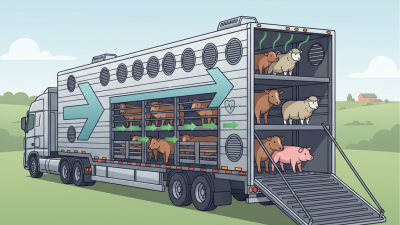
When selecting a Livestock Semi Trailer, consider your specific needs. Different types vary significantly in size, design, and materials used. Ensure the trailer can accommodate the species you transport. For instance, cattle, pigs, and sheep require different space and ventilation configurations.
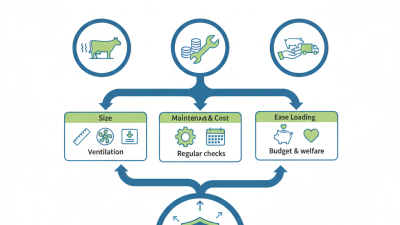
It's essential to reflect on budget constraints and maintenance costs. An investment in a quality Livestock Semi Trailer pays off in the long run. However, cheap options may lead to frequent repairs, affecting reliability. Take time to evaluate all factors and make an informed decision. Your choice will greatly influence your operations.
Understanding Different Types of Livestock Semi Trailers Available on the Market
When considering livestock semi trailers, understanding the different types can greatly enhance your decision-making. The most common types include
gooseneck trailers,
bumper pull trailers,
and straight truck trailers.
Gooseneck trailers typically provide better maneuverability and stability, especially when transporting larger animals. They connect to a hitch in the truck bed, allowing more weight to be distributed. This might be a favorable choice for farmers with varied terrains.
Bumper pull trailers are often lighter and easier to tow, making them suitable for smaller operations. However, they may not offer the same structural integrity as gooseneck models. It’s
essential to evaluate
the weight capacity and the type of livestock you intend to transport. Make sure that the interior space offers good ventilation.
Animals can get stressed in cramped conditions.
Straight truck trailers provide an entirely different approach. They come with a built-in chassis, allowing for larger loads. However, larger vehicles can be more challenging to maneuver. This makes it essential to assess your driving capabilities and the local road conditions. If you prioritize ease of use, a smaller trailer might be more practical. But if you regularly transport large quantities, the investment in a straight truck may be beneficial in the long run.
Factors to Consider When Assessing Livestock Capacity and Weight Limits
When selecting a livestock semi trailer, understanding animal capacity and weight limits is crucial. Proper assessment ensures safe transport for your livestock. Consider the type of animals you will carry. Different species have varying space requirements and weight limits. This varies between cattle, pigs, and sheep. The trailer needs to accommodate these differences effectively.
Next, calculate the total load. Know the weight of your livestock and compare it with the trailer's specifications. Overloading can lead to serious safety issues. It's also important to think about the trailer's design. For example, ensure it has adequate ventilation. Livestock can become stressed in cramped, hot conditions. This impacts their health and well-being.
Reflecting on past experiences can guide your choice. If a trailer suffered from structural failures, it’s worth considering a more robust alternative. Think about how often you will use the trailer. Frequent use may require higher durability. Prioritize features that enhance safety and comfort for your animals. Ultimately, informed decisions lead to better outcomes in livestock transportation.
How to Choose the Right Livestock Semi Trailer for Your Needs?
| Factor |
Description |
Recommended Specifications |
| Capacity |
Assess the number and type of livestock the trailer will carry. |
Up to 34,000 lbs for large cattle or 16 pigs per load. |
| Weight Limits |
Check the maximum weight limit for safe transportation. |
Typically between 60,000 - 80,000 lbs gross vehicle weight. |
| Dimensions |
Length, width, and height of the trailer impact loading and unloading. |
Length: 48-53 feet; Width: 8.5 feet; Height: 7-8 feet. |
| Material |
Material affects durability and weight. |
Aluminum for lightweight trailers; Steel for durability. |
| Ventilation |
Proper airflow helps keep livestock healthy during transport. |
Design with vents or windows for airflow. |
| Loading and Unloading |
Ease of loading and unloading affects operation efficiency. |
Hydraulic ramps or drop-down doors are recommended. |
| Regulations |
Adhere to local and federal regulations for livestock transport. |
Research state and national guidelines for compliance. |
Evaluating Trailer Material Options for Durability and Cost-effectiveness
When selecting the right livestock semi trailer, the choice of material is crucial.
Different materials offer varied durability and cost-effectiveness. Aluminum trailers are lightweight and resistant to rust.
However, they can be more expensive. Steel trailers, on the other hand, are often sturdier but may require more maintenance.
The trade-off between weight and durability is important to consider for long journeys.
Consider your specific needs.
For instance, if you're transporting heavier livestock, a steel trailer might be more suitable. Yet, if you prioritize fuel efficiency, aluminum could reduce hauling costs over time.
Assessing your budget for initial purchase and long-term maintenance is essential.
Tips: Always inspect the trailer for corrosion or damage. This can indicate potential problems.
Don’t forget to consider resale value. Some materials may hold their value better than others.
Reflect on your transportation frequency. The right material can reduce the total cost of ownership significantly.
Choose wisely to ensure your investment pays off over the years.
Key Features to Look for in Livestock Semi Trailers for Animal Welfare
When selecting a livestock semi trailer, animal welfare should be a top priority. Proper ventilation is crucial. Look for trailers with adequate airflow. This helps regulate temperature and provides a comfortable environment for animals. Trailers should have side vents and roof openings. These features ensure fresh air circulates effectively.
Another important aspect is space. Each animal needs enough room to stand comfortably. A trailer that is too cramped can stress the animals. For larger livestock, consider modular designs. They offer flexibility in space allocation. Also, check the flooring material. Non-slip surfaces reduce stress during transport.
Safety features must not be overlooked. Look for sturdy gates and secure latches. This prevents animals from escaping during transit. Additionally, consider the ease of loading and unloading. A well-designed ramp can facilitate smoother operations. These considerations are essential for maintaining the health and safety of livestock.
Maintenance Requirements and Lifespan Expectations for Livestock Trailers
Maintenance is crucial for the longevity of livestock trailers.
Regular checks can significantly impact their lifespan. According to industry reports,
well-maintained trailers can last over 15 years,
while neglected ones might fail in less than five.
Inspect the tires, brakes, and lights frequently.
Addressing issues early prevents costly repairs.
Cleaning your livestock trailer after each use is essential. Manure and debris can cause rust and damage.
Regular washing can extend the trailer's life. Ensure proper ventilation to minimize odor build-up and bacteria growth.
Some experts recommend a deep clean at least once a season.
Replacement parts can be an investment. When trailers reach a certain age,
certain components may need swapping out.
Consider tracking maintenance records; they provide insights into when parts were replaced,
highlighting the trailer's condition.
Having reliable data aids in making informed maintenance choices.