How to Choose the Right Livestock Farming Equipment for Your Farm?
Choosing the right Livestock Farming Equipment is crucial for any farming operation. Research shows that well-selected equipment can increase productivity by up to 25%. Livestock farmers must consider several factors. The right tools can reduce labor costs and improve animal welfare.
Equipment must suit the specific needs of the farm. For instance, the size of the farm and the types of animals play a significant role. According to industry reports, over 40% of farmers do not evaluate their equipment properly. This can lead to wasted resources and suboptimal performance.
Quality matters. Low-cost equipment might seem appealing, but it often leads to higher long-term costs. Equipment that breaks down frequently isn't efficient. Livestock Farming Equipment should be durable and reliable. Investing in the right tools could save time and enhance overall farm productivity. Some farmers regret not investing in better options earlier. Reflecting on equipment choices can help in making better future decisions.

Factors to Consider When Selecting Livestock Farming Equipment
When selecting livestock farming equipment, there are several critical factors to consider.
Size matters. Your farm's scale changes your equipment needs. A small farm might require simple tools, while larger operations need advanced machinery.
Proper assessment of the land is essential. The terrain will dictate specific equipment types. Will you require durable machinery for uneven ground?
Consider the type of livestock you raise. Different animals have unique requirements. For instance,
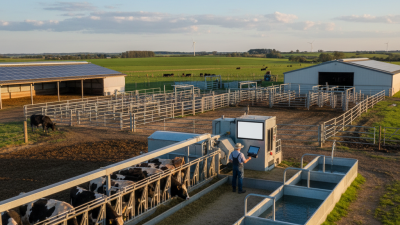
cattle need large feed troughs, while poultry require specific housing solutions. Ignoring these needs may lead to inefficiencies.
Furthermore, think about maintenance and repair.
Can you easily find parts for the equipment you choose? If repairs become a hassle, it can affect your operations significantly.
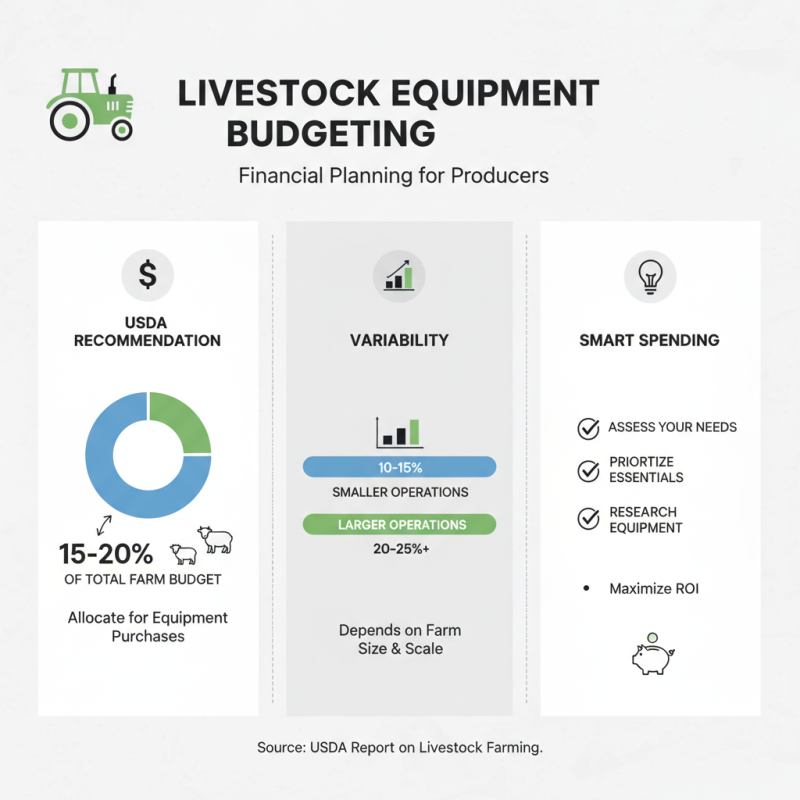
Budget is another vital factor. Investing in quality equipment can lead to long-term savings.
However, overspending can strain your finances. A good balance is necessary. You may need to prioritize essential tools over luxury items.
Reflect on your choices regularly. Evaluating what works and what doesn't is key to improving efficiency.
Don't hesitate to reassess your equipment as your livestock needs evolve.
Types of Livestock Farming Equipment You May Need for Your Farm
When it comes to livestock farming, the right equipment is essential. Various types of equipment can significantly affect the efficiency of your operations. Common categories include feeding systems, waterers, and housing structures. According to the USDA, proper equipment can increase productivity by up to 30%.
Feeding systems come in different forms, from automatic feeders to manual options. Automatic feeders are efficient but can be costly. Manual options require more labor but offer flexibility. The choice often depends on your scale of farming. Remember, the right feeding system can lead to better growth rates for your livestock.
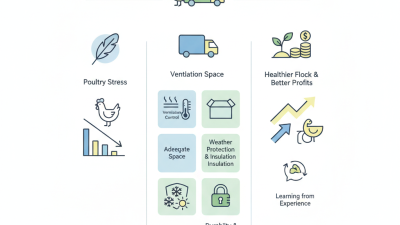
Housing structures are another vital component. Livestock needs protection from weather and predators. Insulated barns help maintain a stable environment. However, many farmers overlook ventilation. Lack of airflow can lead to health issues among animals. Investing in proper ventilation systems can mitigate these risks.
**Tip:** Regularly assess your equipment for wear and tear. Outdated tools can cause delays. Upgrading your equipment might involve initial costs, but it’s often worth it in the long run.
**Tip:** Analyze your farm's specific needs before purchasing. Not every operation requires high-tech solutions. Understanding your livestock will guide better choices.
How to Choose the Right Livestock Farming Equipment for Your Farm?
| Equipment Type |
Purpose |
Size/Capacity |
Price Range |
| Tractor |
General farm tasks |
50-150 HP |
$15,000 - $50,000 |
| Livestock Trailer |
Transporting animals |
Up to 10 livestock |
$3,000 - $15,000 |
| Feeding Equipment |
Feeding animals |
Varied (based on herd size) |
$1,000 - $10,000 |
| Fencing |
Keeping livestock contained |
Varied (based on area) |
$2,000 - $20,000 |
| Manure Spreaders |
Fertilizing land |
Up to 6 tons |
$4,000 - $25,000 |
| Milking Machines |
Milking dairy livestock |
1-20 cows |
$3,000 - $30,000 |
Evaluating Equipment Quality and Durability for Livestock Farms
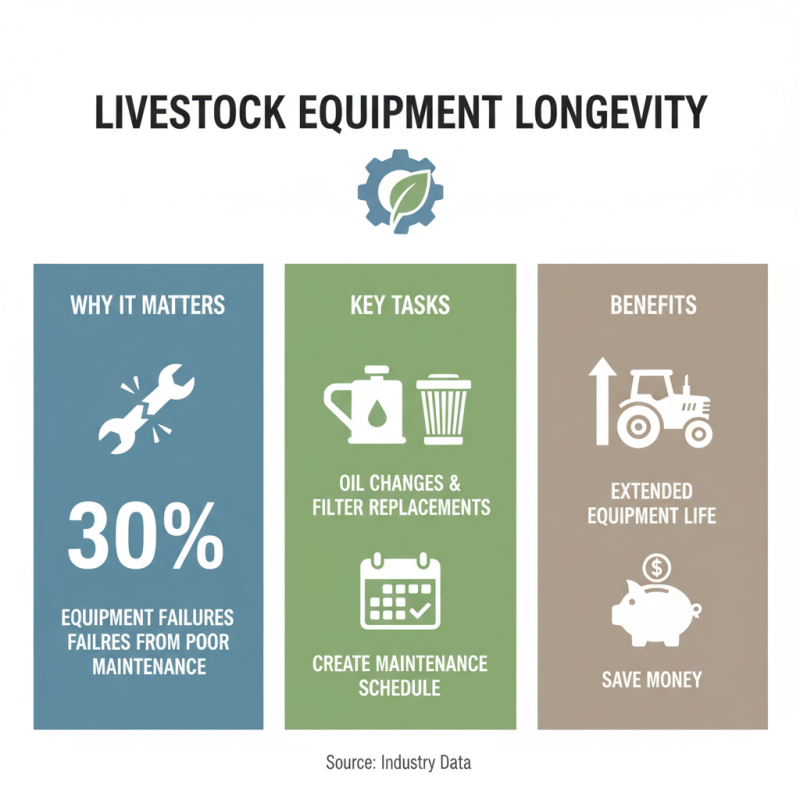
Choosing the right livestock farming equipment is crucial. Durability and quality should be top priorities for farmers. Research indicates that 30% of equipment failures stem from poor material choices. Farmers often overlook this, leading to increased costs and losses.
Equipment that can withstand harsh weather is essential. Stainless steel and high-grade plastics are often recommended for their longevity. A 2021 industry report highlighted that farms using durable materials reduced replacement costs by up to 25%. However, many still select cheaper options, only to face frequent repairs.
Inspecting equipment regularly is also important. A visual check can reveal wear and tear that may not be apparent. Farmers should ask, “Is this equipment truly reliable?” Understanding the actual conditions on the farm can lead to better decision-making. Investing in high-quality equipment pays off over time, even if it seems expensive upfront.
Evaluating Equipment Quality and Durability for Livestock Farms