China Top Livestock Farming Equipment Innovations for Modern Farming?
The livestock farming equipment sector in China is undergoing transformative innovations, aimed at increasing efficiency and productivity. According to a report by the China Agricultural Machinery Industry Association, the livestock farming equipment market is expected to reach $50 billion by 2025. Innovations such as automated feeding systems and intelligent breeding technologies are becoming essential for modern farmers.
Farmers now face challenges in coping with rising labor costs and resource management. Livestock farming equipment must adapt to these pressures. New technologies enhance feeding precision and animal health monitoring. The latest innovations may lead to higher yields, but they also require significant investment and training.
In this fast-changing landscape, understanding both the benefits and drawbacks of new equipment is crucial. Not every innovation may be suited for all farms. Farmers must consider cost, compatibility, and their unique operational needs before making purchases. Balancing technology with traditional practices is key to sustainable growth in the livestock sector.

Innovative Livestock Farming Equipment Trends in China's Agriculture Sector
China's agricultural sector is undergoing a transformation through the integration of innovative livestock farming equipment. Recent studies indicate that the market for advanced livestock tools is projected to experience a growth rate of 8.5% annually through 2025. This surge reflects the growing demand for efficiency and productivity in animal husbandry.
One notable trend is the adoption of precision farming technologies. These tools assist farmers in monitoring livestock health and optimizing feed efficiency. Data shows that such innovations can reduce feed waste by up to 15%. However, the initial investment in these technologies may deter smaller farms. The challenge lies in balancing modernization with accessibility for all farmers.
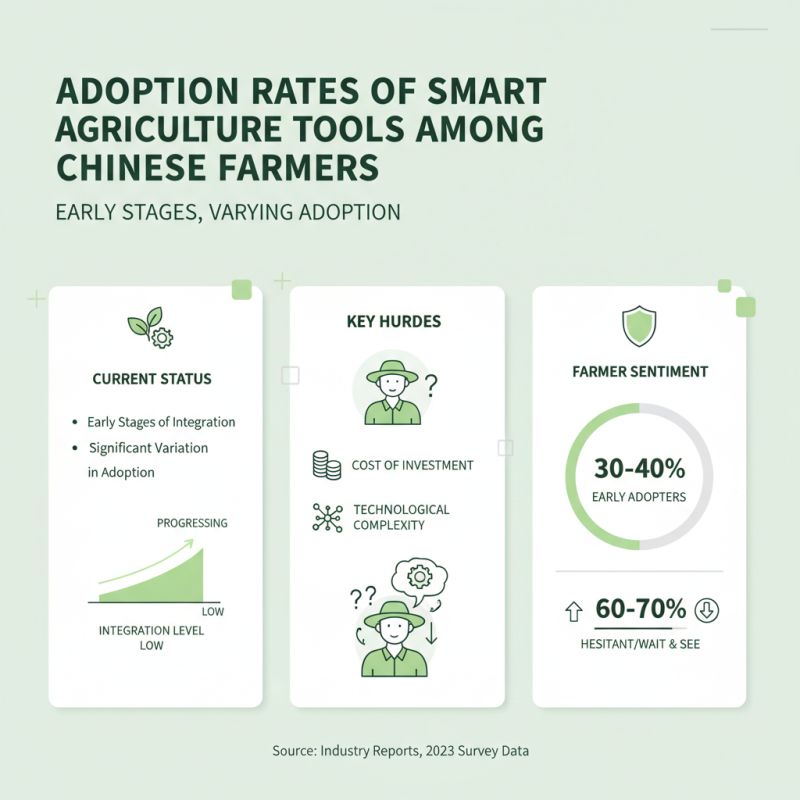
Moreover, automated feeding systems have gained traction. They deliver precise amounts of feed at scheduled times, improving growth rates and overall animal well-being. Although effective, there are concerns regarding the technical skills required for operation and maintenance. This can create a gap between tech-savvy farmers and those less familiar with technology. Addressing this gap is crucial for the widespread adoption of innovative equipment.
Impact of Automation on Productivity in Chinese Livestock Farming
Automation in Chinese livestock farming is reshaping productivity. According to a recent report by the Chinese Ministry of Agriculture, integrating automated systems can boost productivity by 20-30%. The use of smart feeding systems, robotic milking machines, and data analytics has become mainstream. These innovations help farmers reduce labor costs and enhance efficiency.
However, there are challenges. The initial investment for automation is significant, which may deter smaller farms. Furthermore, training personnel to operate these systems requires time and resources. A lack of technical knowledge can lead to underutilization of expensive equipment.
Tip: Start small with automated tools to minimize costs while evaluating their effectiveness. Testing one system before fully committing can provide valuable insights into its long-term benefits.
Maintaining animal welfare remains a concern. Over-reliance on technology might overlook the importance of human oversight. Technology should complement hands-on livestock management, not replace it. Balancing innovation with personal care is essential for sustainable farming.
Tip: Regularly assess the emotional and physical health of livestock to ensure automation enhances, rather than hinders, animal welfare.
Sustainable Practices: The Role of Technology in Livestock Waste Management
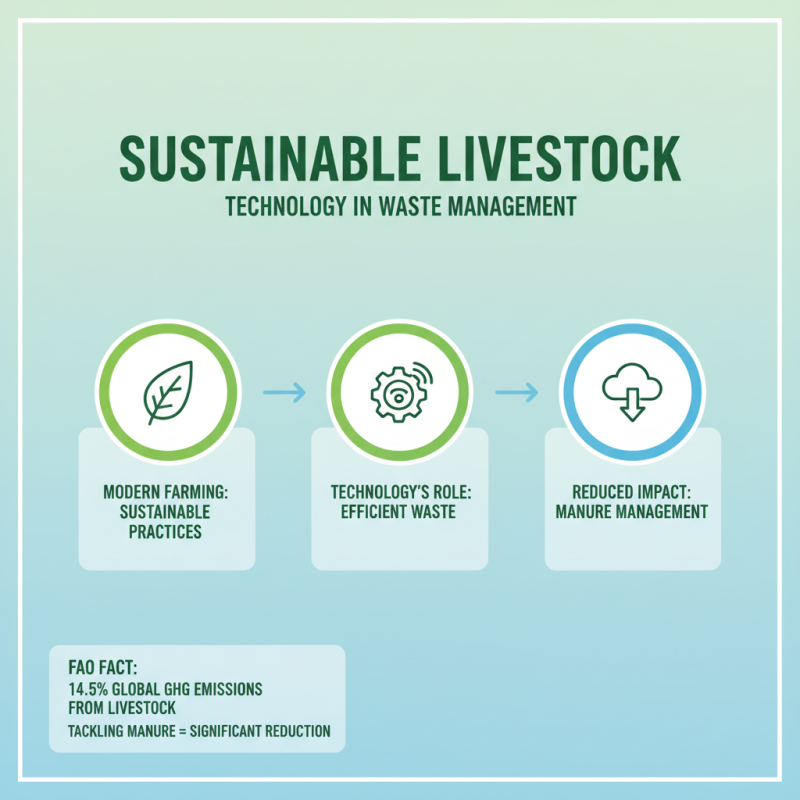
In modern livestock farming, sustainable practices are gaining momentum. Technology plays a crucial role in managing waste effectively. According to the Food and Agriculture Organization (FAO), livestock accounts for 14.5% of global greenhouse gas emissions. Tackling manure management can significantly reduce this impact.
Innovative technologies, such as anaerobic digesters, convert animal waste into energy. The U.S. Environmental Protection Agency (EPA) reports that these systems can reduce methane emissions by up to 80%. However, adoption may be slow due to high initial costs and lack of awareness among farmers.
Data shows that only 15% of farms currently use advanced waste management technologies. Many farmers still rely on traditional methods, risking environmental harm. There’s a clear need for education and resources to promote sustainable practices. Bridging the knowledge gap can enhance both ecological and economic outcomes in livestock farming.
Market Growth: Financial Investment in China's Livestock Equipment Industry
China's livestock equipment industry is witnessing significant market growth, fueled by rising demands for efficient farming solutions. According to industry reports, the market is projected to reach USD 15 billion by 2025. This growth is driven by technological innovations and increasing investments in modern farming practices.
Financial investments in livestock equipment have surged, especially in feed management and animal welfare technologies. Many farmers are adopting automated feeding systems. These systems not only reduce labor costs but also enhance feed efficiency. Research indicates that automated systems can improve feed conversion rates by up to 20%. Data shows that 70% of livestock farmers are considering investing in smart technologies in the next few years.
However, challenges remain. Many farmers are hesitant to adopt new technologies due to high initial costs. While the potential returns are substantial, the upfront investment can be a barrier. Additionally, training and education on new systems are often inadequate. This gap raises concerns about long-term sustainability and productivity in the industry. Balancing innovation with practical implementation is critical for future growth.