China Best Bulk Feed Transport Vehicle Overview and Benefits?
The transport of bulk feed in China is crucial for the agricultural industry. According to a report by Research and Markets, the bulk feed transport vehicle market is expected to grow by over 8% annually. This surge reflects the increasing demand for efficient livestock feed distribution. As noted by industry expert Dr. Xiaoming Liu, "The efficacy of bulk feed transport vehicles directly impacts farm productivity and sustainability."
These vehicles are designed for efficiency, ensuring the safe and timely delivery of bulk feed. They minimize spoilage and contamination, which is essential in maintaining feed quality. Furthermore, modern protocols now emphasize not just transportation, but also adherence to safety standards. Despite advancements, challenges remain. Some operators face issues related to vehicle maintenance and regulatory compliance.
Investing in high-quality bulk feed transport vehicles can enhance logistical operations. However, decision-makers must weigh costs against potential productivity gains. Continuous improvement is necessary to stay competitive in this evolving market. The right choices in equipment can make a significant difference in operational success.
Overview of Bulk Feed Transport Vehicles in China
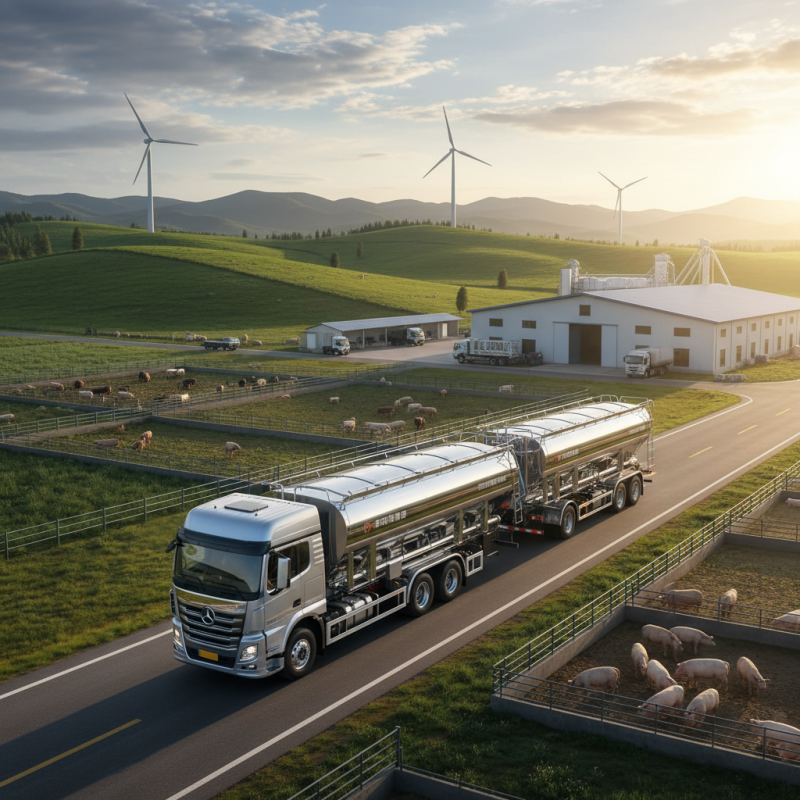
Bulk feed transport vehicles play a crucial role in China's agricultural economy. These specialized vehicles are designed to transport large quantities of feed efficiently. They minimize spoilage and reduce transportation costs, which is vital for farmers. Effective bulk transport ensures timely delivery to dairy and poultry farms, directly impacting productivity.
In China, diverse designs cater to various operational needs. Some vehicles use pneumatic systems, while others rely on traditional bulk containers. Each design has strengths and weaknesses, posing dilemmas for operators. The choice between capacity and maneuverability often arises, affecting delivery efficiency. There are instances where vehicle choices hinder logistics, leading to delays.
Moreover, regulatory standards demand attention. Compliance with safety and environmental regulations is essential for operators. Many face challenges in understanding these regulations fully. This lack of knowledge can result in operational setbacks. Ongoing training for drivers and logistics managers is often overlooked, which can lead to inefficiencies. Addressing these gaps is crucial for improving overall transport operations.
Key Features of China’s Best Bulk Feed Transport Vehicles
China's bulk feed transport vehicles are designed for efficiency and reliability. Their key features include robust construction, high capacity, and advanced technology. These vehicles often utilize lightweight materials, which enhance fuel efficiency. According to industry reports, optimized payload design can increase transported feed volume by up to 20%. This is crucial for large-scale operations.
Another standout feature is the integration of GPS tracking systems. This technology allows for real-time monitoring of vehicle location and performance. Studies show that transport delays can lead to significant economic losses. Real-time data helps prevent these issues. Additionally, many vehicles are designed with user-friendly interfaces, which streamline operations for drivers.
Tips: When selecting a bulk feed transport vehicle, consider the hauling capacity and overall design. A vehicle with modular components might offer better adaptability for different types of feed. Always verify compliance with safety standards to minimize risks during transport. Regular maintenance is essential for long-term reliability.
China Best Bulk Feed Transport Vehicle Overview and Benefits
| Vehicle Type |
Load Capacity (tons) |
Fuel Type |
Engine Power (HP) |
Special Features |
| Semi-Trailer Truck |
25 |
Diesel |
400 |
High-efficiency loading system |
| Bulk Feed Truck |
16 |
Diesel |
280 |
Automated discharge system |
| Tanker Truck |
20 |
Biogas |
350 |
Insulated tank for temperature control |
| Side Loader Truck |
10 |
Diesel |
250 |
Flexible unloading mechanism |
| Flatbed Truck |
15 |
Diesel |
300 |
Versatile loading options |
Advantages of Using Bulk Feed Transport Vehicles
Bulk feed transport vehicles play a vital role in agriculture. These specialized vehicles improve efficiency in transporting feed from suppliers to farms. They can carry large quantities in a single trip, which reduces overall transportation costs and time.
One significant advantage is the optimization of feed storage and delivery. Bulk transport minimizes handling, which reduces spillage and waste. It also ensures that feed is delivered fresh.
Farmers can plan their feeding schedules better, leading to healthier livestock.
Tip: Regularly check vehicle maintenance to avoid unexpected breakdowns. A reliable vehicle ensures a consistent supply of feed.
Additionally, the specialized design of these vehicles enhances biosecurity. By having dedicated transport for different types of feed, the risk of contamination is minimized.
This aspect is crucial for maintaining the health of livestock.
Tip: Keep records of transport schedules and quantities delivered. This helps in tracking inventory and planning future purchases effectively.
However, selecting the right vehicle demands careful consideration. Not every farm will benefit equally from bulk transport. Assess your specific needs before investing in this solution.
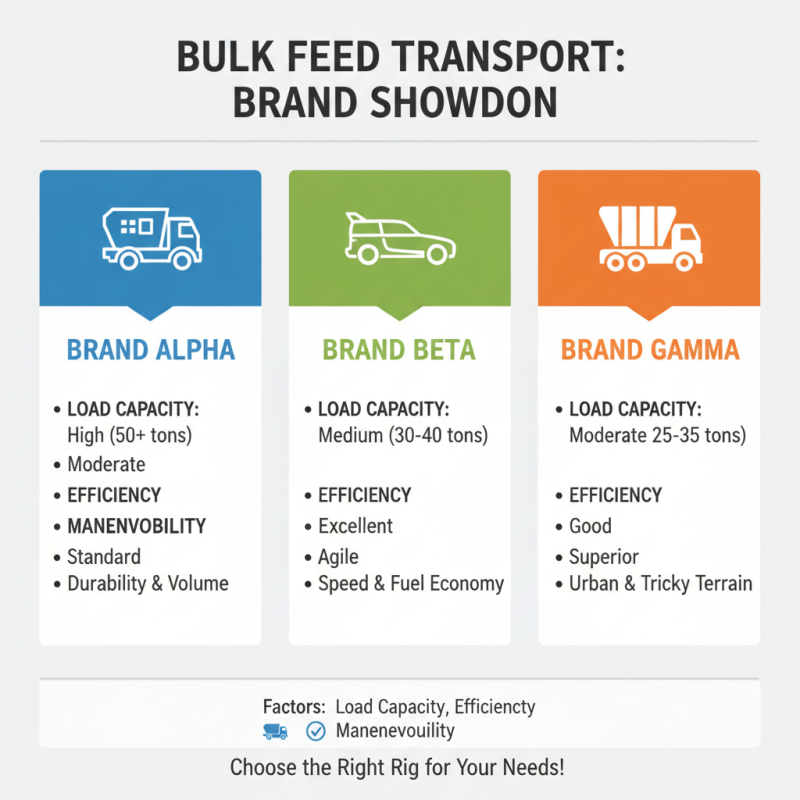
Comparison of Leading Brands in the Bulk Feed Transport Market
When comparing leading brands in the bulk feed transport market, several factors come into play. Each brand offers unique specifications and features that cater to different needs. Understanding these key differences can be crucial in making the right choice. For instance, consider the variations in load capacity. Some vehicles excel at transporting heavier loads, while others prioritize efficiency and maneuverability.
Tip: Always evaluate your transport needs before choosing a vehicle. Consider both short-term and long-term requirements. This approach helps prevent unexpected challenges in logistics.
Additionally, the construction quality of these vehicles impacts durability. A robust design may come with a higher price tag but can save money in repairs over time. Some vehicles are equipped with advanced technology for tracking and performance monitoring. These features provide valuable data for optimizing transport routes and schedules.
Tip: Pay attention to maintenance when selecting a vehicle. Regular checks can extend lifespan and efficiency. Remember, a more expensive vehicle may not always equate to better performance. Evaluating your operational context can lead to smarter decisions.