What is a Chicken Transporter Vehicle and How Does it Work?
The Chicken Transporter Vehicle plays a crucial role in poultry farming. These specialized trucks are designed to safely transport chickens from farms to processing facilities. With specific features, they ensure the welfare of the birds during transit.
Chicken Transporter Vehicles have cages that keep the chickens secure. Ventilation systems maintain proper airflow, reducing stress for the birds. However, despite these advancements, challenges remain. Some vehicles may not always adhere to welfare standards.
Moreover, improper loading can injure the chickens. Drivers need training to handle animals with care. By examining the Chicken Transporter Vehicle, we can reflect on improving practices for animal welfare.
What is a Chicken Transporter Vehicle?
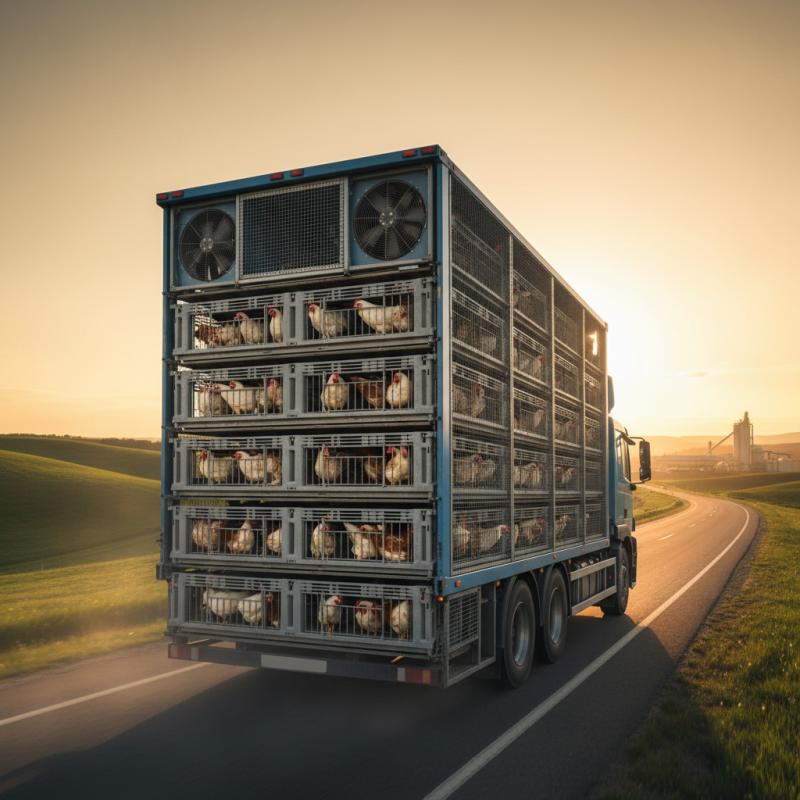
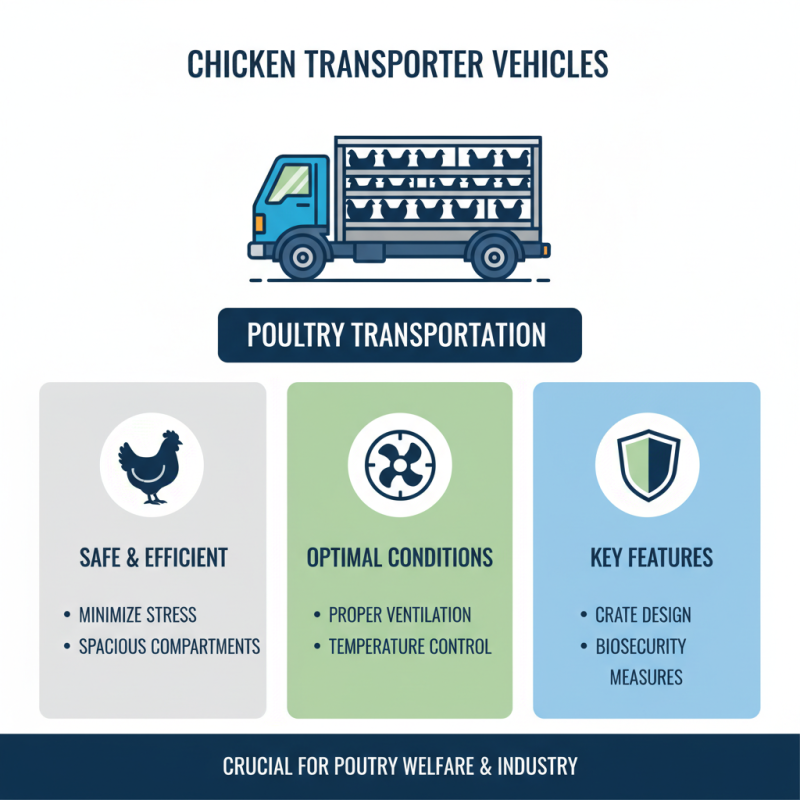
A Chicken Transporter Vehicle is specially designed for the transportation of poultry. These vehicles ensure the safe and humane delivery of chickens from farms to processing plants. Equipped with ventilation and temperature control, they create a comfortable environment for the birds during transit.
Inside the vehicle, multiple compartments hold the chickens securely. Each compartment is designed to prevent overcrowding. This reduces stress on the animals, which is essential for their well-being. The structure often has access points for easy loading and unloading. However, the design needs improvement; some vehicles still lack proper features for hygiene.
These vehicles also face challenges. Weather conditions can impact their effectiveness. Extreme heat or cold may affect the chickens. Additionally, the need for regular maintenance is vital. Transporting live animals involves responsibility. There are always areas to enhance, from efficiency to animal care. Innovations are welcome, but addressing current flaws is equally important.
Chicken Transporter Vehicle Capacity by Type
How Chicken Transporter Vehicles Function
Chicken transporter vehicles are specially designed for the safe transport of chickens. These vehicles help ensure that birds are kept comfortable during their journey. Each vehicle is equipped with ventilation systems to maintain suitable temperatures. Proper airflow is crucial, especially in warmer climates. Heat stress can harm the chickens, impacting their health.
Inside, the layout features individual compartments. Each compartment provides space for the chickens, reducing stress. However, issues can arise if the design is not properly implemented. For instance, overcrowding may occur if compartments are not sized correctly. Ensuring compliance with animal welfare standards can be challenging.
Maintenance of these vehicles is essential for optimal performance. Regular checks help identify issues like leaks or mechanical failures. Neglecting this can lead to uncomfortable conditions for the chickens. Furthermore, training for drivers plays a significant role in the safe transport process. They should be aware of the unique needs of the birds. Balancing efficiency and animal welfare remains an ongoing challenge.
Safety Features in Chicken Transporter Vehicles
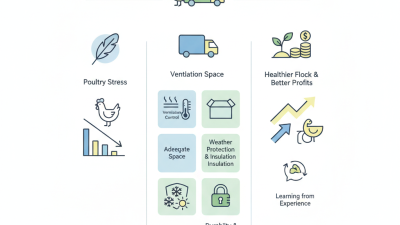
Transporting chickens requires specialized vehicles designed for their safety and comfort. These chicken transporter vehicles are equipped with safety features tailored to protect the animals during transit. One important feature is proper ventilation. Good airflow keeps the chickens cool and reduces stress. Overheating can lead to serious health issues. Effective insulation is also crucial for maintaining a comfortable temperature.
Another essential aspect is secure enclosures. Chickens should be safely housed to prevent injury during transport. Ramps and non-slip floors help them enter and exit safely. Some vehicles even have shock-absorbing systems to minimize jolting. This reduces the risk of harm when driving on uneven roads.
Tips for assessing chicken transporter vehicles include checking ventilation systems. Ensure air circulation is sufficient. Look for secure enclosures with sturdy latches. Inspect the flooring materials for grip. Comfort is vital for the chickens’ well-being. Regular checks on the vehicle’s condition can prevent accidents. Be mindful of any damage or wear that could affect safety.
What is a Chicken Transporter Vehicle and How Does it Work? - Safety Features in Chicken Transporter Vehicles
| Feature |
Description |
Importance |
| Temperature Control |
Systems that maintain optimal temperature for chicken welfare. |
Prevents stress and potential mortality in transit. |
| Ventilation System |
Ensures fresh air circulation within the vehicle. |
Reduces heat buildup and provides comfort. |
| Cage Design |
Specialized cages to securely hold chickens during transport. |
Minimizes injury and ensures safety during transit. |
| Anti-Slip Flooring |
Flooring designed to prevent slipping. |
Enhances stability and reduces injury risk. |
| Monitoring Systems |
Real-time tracking of conditions inside the transporter. |
Ensures safety through constant monitoring. |
| Emergency Exits |
Designated exits for emergencies. |
Provides a quick escape route in case of an accident. |
Benefits of Using Chicken Transporter Vehicles
Chicken transporter vehicles play a vital role in poultry farming. They are designed specifically for transporting chickens safely and efficiently. The benefits of using these vehicles are significant. Transporting chickens in a specialized vehicle minimizes stress for the birds. This is essential for their health and welfare. Less stress leads to better meat quality. Happy chickens provide better eggs too.
These vehicles often come with ventilation systems. This keeps the animals cool during hot weather. Proper space is also provided to prevent overcrowding. Overcrowding can lead to injuries. Each vehicle can be monitored easily, ensuring all birds are accounted for. However, not all farmers use these vehicles. Some rely on standard trucks. This can cause issues, like more stress for the animals.
Using chicken transporters also brings biosecurity advantages. These vehicles can be sanitized effectively between loads. This reduces disease risks. Nonetheless, finding a reliable transporter can be challenging. Some farmers may hesitate to invest in such vehicles. They might prioritize immediate costs over long-term benefits, which can lead to difficulties later on. Choosing the right transport solution is crucial for future success.