What is a Bulk Feed Truck and How Does it Work?
In the agricultural sector, the Bulk Feed Truck plays a vital role in transporting animal feed efficiently. According to Dr. Emily Carter, an expert in agricultural logistics, "Bulk Feed Trucks are essential for maximizing productivity on farms." These trucks ensure that feed reaches livestock quickly. Timely delivery affects animal health and overall farm output.
The operation of a Bulk Feed Truck may seem straightforward, yet it contains complexities. Ensuring the right feed mix at the right time is crucial. Miscalculations can lead to nutritional deficiencies in livestock. Additionally, drivers must be trained to handle various feed types. This requires knowledge of both the trucks and the feed itself.
While Bulk Feed Trucks provide immense value, there are challenges. Maintenance of the trucks can be costly. Farmers must also consider the environmental impact of transportation. Future advancements may need to address these issues. Evaluating performance and sustainability will be key to the industry's growth.
What is a Bulk Feed Truck?
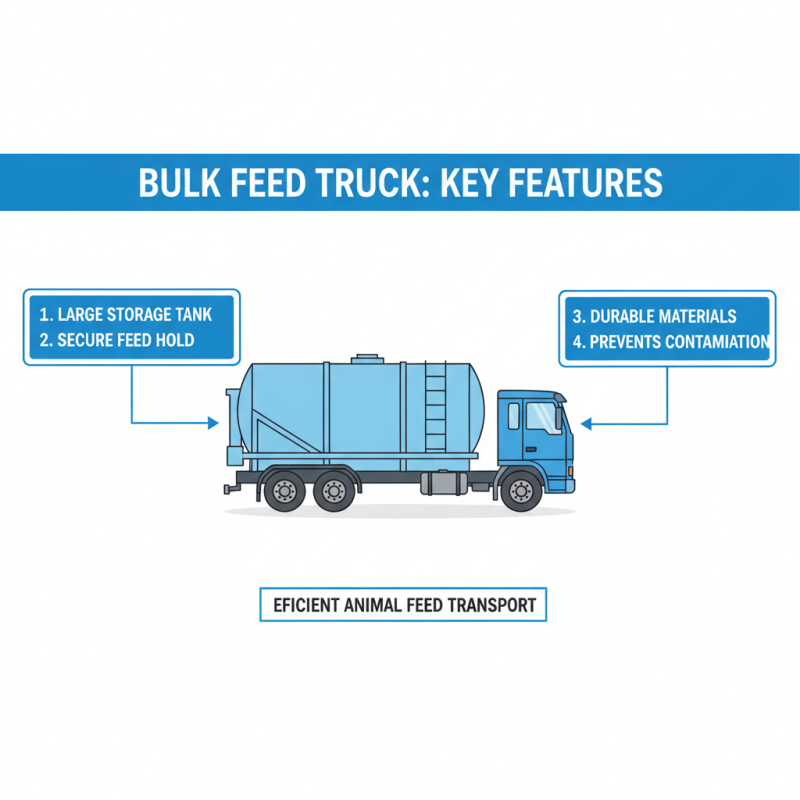
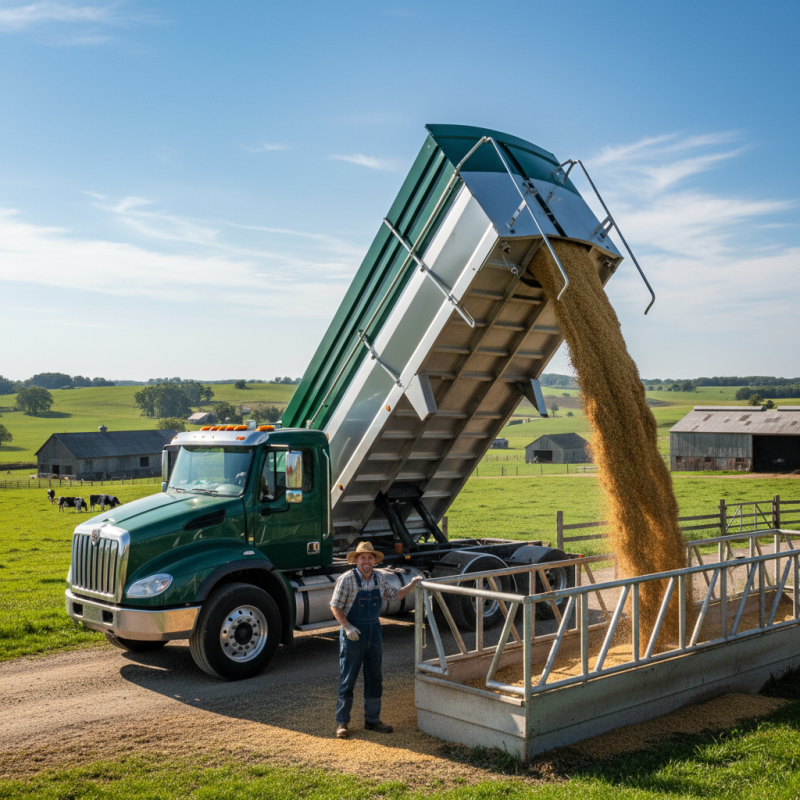
A bulk feed truck is a specialized vehicle designed to transport feed in large quantities. These trucks are often used on farms where animals require consistent feeding. They have a large container to hold feed, typically equipped with augers for easy dispensing. This design ensures that the feed remains uniform and helps reduce spillage during loading and unloading.
Operating a bulk feed truck can be complex. Drivers must be trained to handle the equipment safely. They also need to understand the different types of feed being transported and their specific requirements. It's important to check the truck regularly for wear and tear. A wells-maintained truck can save time and prevent feed contamination.
Tips: Regularly clean the truck’s interior to prevent mold. Observe feed types to avoid cross-contamination. Understand that not all feed may work well together. Taking time to learn about these aspects can improve delivery efficiency and animal health. Each trip offers a chance to reassess your methods and strive for better results.
How Bulk Feed Trucks Operate: A Step-by-Step Process
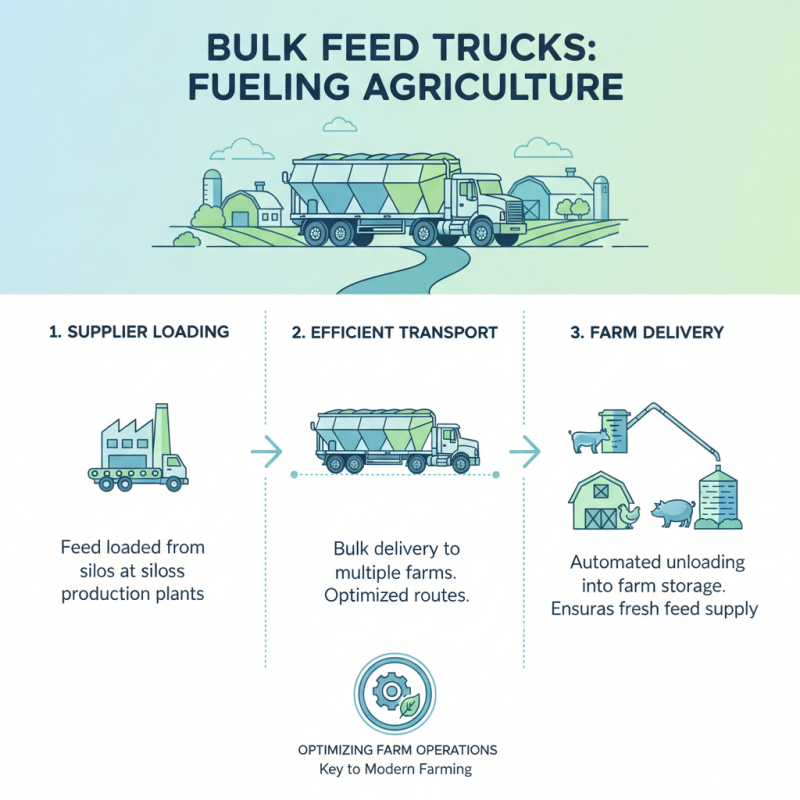
Bulk feed trucks play a crucial role in the agricultural sector. They transport bulk animal feed efficiently from suppliers to farms. Understanding how these trucks operate is essential for optimizing their use.
When loading, bulk feed trucks employ augers to fill the compartment. This process is fast, taking only minutes in some cases. The trucks typically hold between 500 to 1,500 bushels of feed, allowing for significant transportation in one trip. However, operators need to verify the feed type to avoid contamination or spoilage. A 2022 report indicated that nearly 20% of feed losses occur during transportation due to improper handling.
Once loaded, the truck uses pneumatic pressure to deliver feed to silos. This method minimizes dust and spillage, preserving quality. However, the process isn't flawless. Breakdowns can delay deliveries, impacting farm operations. A survey found that maintenance issues affect 15% of trucks in the field. Planning for these interruptions is essential but often overlooked. The efficiency of bulk feed trucks remains vital for maintaining a stable food supply chain.
Advantages of Using Bulk Feed Trucks in Agriculture
Bulk feed trucks are essential in modern agriculture. They simplify the process of transporting large quantities of feed. Farmers no longer need to handle feed in small bags. This efficiency leads to time savings and reduces labor costs.
Using bulk feed trucks offers significant advantages. They can carry a variety of feed types, like grains and pellets. This versatility helps meet the diverse needs of livestock. Also, bulk delivery minimizes waste. It reduces the risk of spoilage, as feed remains secure during transit. However, improper loading or unloading can lead to losses.
Farmers appreciate the convenience of bulk feed trucks. Yet, they must maintain these vehicles. Regular checks prevent breakdowns that can disrupt feeding schedules. Furthermore, training staff is crucial for safe operation. A poorly managed delivery can have serious consequences. The benefits are clear, but there’s room for improvement in implementation.
What is a Bulk Feed Truck and How Does it Work? - Advantages of Using Bulk Feed Trucks in Agriculture
| Feature |
Description |
Advantages |
| Capacity |
Typically ranges from 1 to 26 tons |
Allows for the transportation of large quantities of feed |
| Loading Mechanism |
Air pressure or auger systems |
Efficient and reduces labor costs |
| Dispensing Method |
Gravity feed or pneumatic systems |
Minimizes waste and improves feed accuracy |
| Material Type |
Used for grains, pellets, and other bulk feeds |
Versatile for various types of animal feed |
| Fuel Efficiency |
Designed to minimize fuel consumption |
Cost-effective operation for farmers |
| Operational Range |
Suitable for short and long distances |
Increases flexibility in feed distribution |
Safety Measures and Maintenance for Bulk Feed Trucks
Bulk feed trucks are essential in transporting feed to farms. However, safety and maintenance are critical for efficient operation. Regular checks prevent accidents. Drivers must always inspect the truck before use. They should look for leaks, loose parts, and proper tire pressure. These simple actions can save lives.
Daily maintenance is also vital. Keeping the truck clean ensures that feed quality remains high. A dirty truck can contaminate the feed, harming livestock. Operators should pay attention to the feed compartment. It needs to be free of residue. If not monitored, issues may arise.
Safety gear is necessary. Wearing gloves and helmets can protect operators during loading and unloading. Drivers must follow all safety protocols. However, it’s easy to overlook these crucial practices in a busy environment. Reflecting on past mishaps can lead to better habits. More awareness can definitely improve safety for all involved.