What Are the Best Ice Cream Transport Vehicles for 2026?
As we look toward the future, the demand for efficient Ice Cream Transport Vehicles continues to grow. Industry expert Jessica Frost, a leading consultant in cold-chain logistics, highlights the importance of innovation in this field. She states, "Adapting to changing consumer preferences is crucial for ice cream delivery."
The year 2026 will bring new challenges and opportunities. Ice cream vendors must consider factors like temperature control, vehicle design, and sustainability. Customers expect perfect scoops, no matter the distance traveled. Advanced insulation and cooling technology are vital for maintaining product quality.
It’s important to reflect on past innovations. Many vehicles used for ice cream transport have limitations. Some are bulky and inefficient. Others lack the proper temperature regulation systems. Learning from these shortcomings is essential for better future designs. A successful Ice Cream Transport Vehicle should integrate functionality with creativity. The future is bright, but careful planning is needed to meet evolving market needs.
Types of Ice Cream Transport Vehicles Currently Available
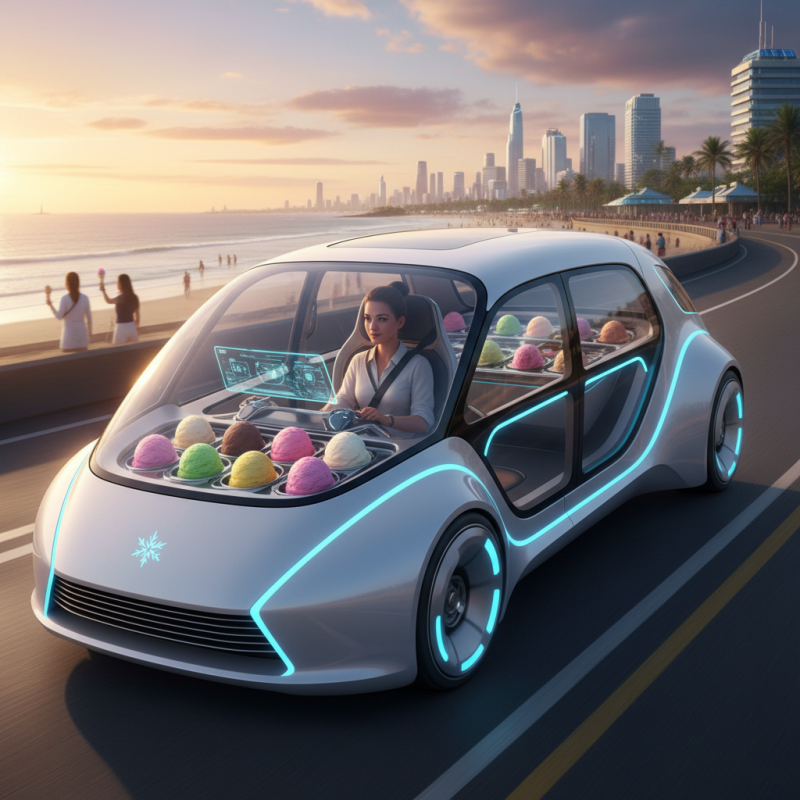
When considering ice cream transport vehicles, several types stand out for their unique features. First, there are traditional ice cream trucks. These vehicles are often colorful and attract customers with playful designs. However, they can be slow in urban traffic and require consistent maintenance. Their charm lies in nostalgia, but their practicality may vary.
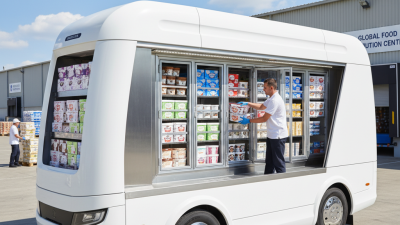
Another option is refrigerated vans. These vehicles offer a modern take on transport. They maintain optimal temperatures for ice cream. However, some might find them less appealing than trucks. The space may be limited, affecting the variety of products offered. Efficient but sometimes bland, refrigerated vans have their pros and cons.
Lastly, tricycles and carts are gaining popularity. They are environmentally friendly and easy to maneuver. Yet, they may struggle to keep ice cream cold during hot days. Despite their trendy appearance, these options require careful planning to ensure product quality. Each vehicle choice has advantages and challenges that need thoughtful consideration.
Best Ice Cream Transport Vehicles for 2026
Innovative Technologies Enhancing Ice Cream Delivery Efficiency
In 2026, ice cream delivery is set to transform with innovative technologies. The global ice cream market is projected to reach $97 billion by 2026, as per industry data. Efficient transport vehicles will be crucial for this growth. Automated electric delivery vans equipped with smart cooling systems will offer precise temperature control. These vehicles can maintain the desired consistency of ice cream during transit, preventing melting and spoilage.
Drones and autonomous vehicles are emerging trends that could streamline the delivery process. Data shows that using drones can cut delivery times by up to 30%. However, challenges remain. The regulatory landscape for drone deliveries is still evolving, creating uncertainty in the market. Furthermore, maintaining product quality during extreme weather conditions is a concern. These innovations provide solutions but also require constant adaptation and improvement.
Smart tracking systems will play a vital role in modern transport. They allow businesses to monitor temperature and location in real-time. Some reports suggest that up to 20% of ice cream products are wasted due to poor logistics. Enhancing delivery efficiency is not just about technology; it’s about ensuring quality. As the industry moves forward, addressing these imperfections will be key to success.
What Are the Best Ice Cream Transport Vehicles for 2026? - Innovative Technologies Enhancing Ice Cream Delivery Efficiency
| Vehicle Type |
Temperature Control |
Capacity (Liters) |
Fuel Type |
Average Delivery Speed (km/h) |
Innovative Features |
| Electric Van |
-20°C to -15°C |
250 |
Electric |
50 |
Solar Panel Charging |
| Refrigerated Truck |
-20°C to -10°C |
400 |
Diesel |
60 |
Dual Temperature Zones |
| Bike Cart |
-10°C to 0°C |
50 |
Human-Powered |
15 |
Insulated Dry Ice Compartments |
| Drone Delivery |
-18°C to -12°C |
5 |
Electric |
40 |
Real-Time Tracking |
| Insulated Delivery Bag |
-15°C to 0°C |
10 |
N/A |
Varies by Carrier |
Portable Cooling Packs |
Environmental Considerations in Choosing Ice Cream Transport Options
When it comes to ice cream transport vehicles for 2026, environmental considerations are crucial. The increasing demand for sustainable practices pushes companies to think outside the box. Traditional vans are not enough anymore. They often rely on fossil fuels, which contribute to carbon emissions. Electric vehicles are becoming popular. They are quiet and produce no exhaust. This shift could change how we think about delivery.
Tips: Consider using biodegradable materials for packaging. This reduces waste and promotes sustainability. Also, explore solar-powered options for refrigeration systems.
Another point of concern is the overall efficiency of transportation routes. Optimizing delivery schedules can minimize fuel consumption. This means planning ahead and being smart about routes. Still, many businesses struggle with this aspect. Inadequate infrastructure can lead to delays and increased costs.
Tips: Use route optimization software to help streamline deliveries. Collaborate with local businesses to share transportation resources. This can reduce the carbon footprint significantly.
Cost Analysis of Ice Cream Transport Vehicles for Business Owners
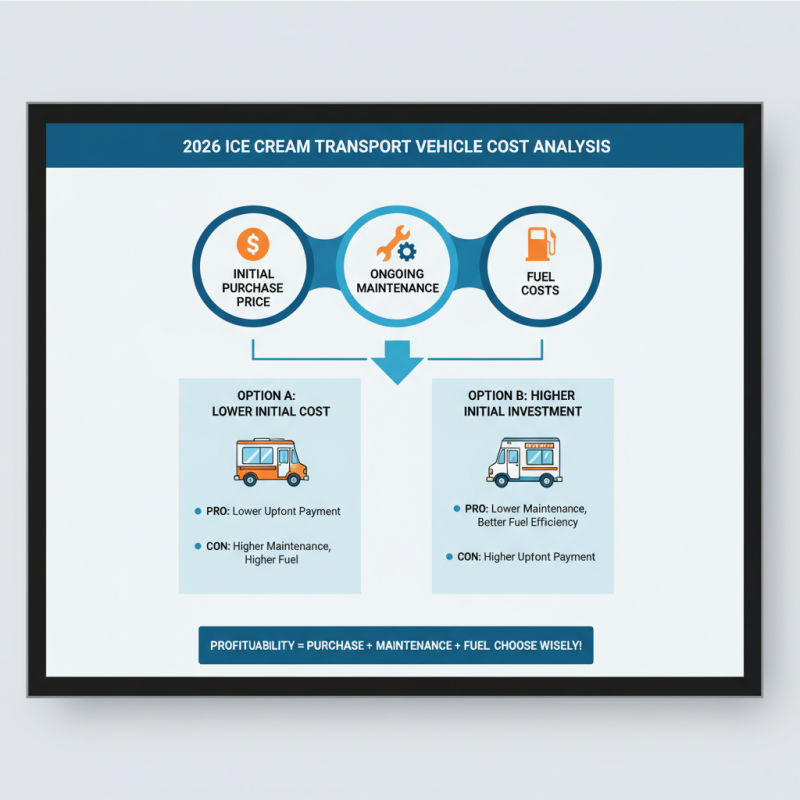
When considering ice cream transport vehicles for 2026, cost analysis is crucial for business owners. Investing in the right vehicle can significantly affect profitability. The initial purchase price is just one aspect. There are ongoing expenses like maintenance and fuel to consider. A lower-priced vehicle might save money upfront, but higher maintenance costs can add up quickly.
Choosing a vehicle that maintains optimal temperature is vital. This affects product quality and customer satisfaction. Insulation materials and refrigeration systems impact efficiency and long-term costs. However, finding the perfect balance between cost and quality can be challenging. Not all vehicles meet the necessary food safety standards. This often leads to costly replacements or repairs.
Business owners should also consider the vehicle’s capacity. A larger vehicle may transport more product but leads to higher operating costs. Finding the right size is important but can be tricky. Sometimes, smaller vehicles work better in urban areas, while larger ones are necessary for rural routes. Each choice requires careful thought and might not always yield immediate benefits.
Future Trends in Ice Cream Transportation for the Year 2026
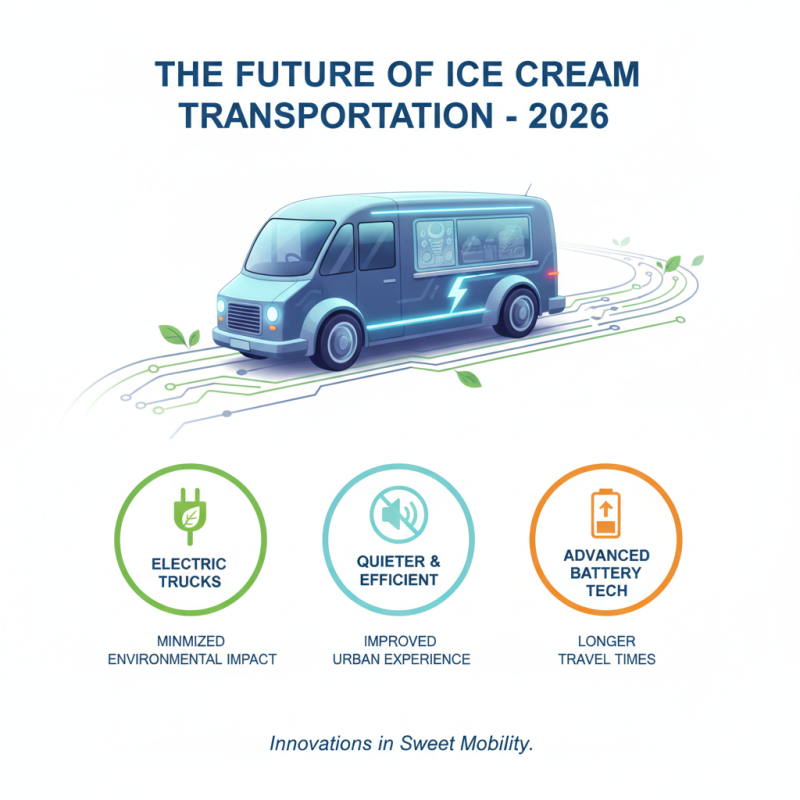
As we glance into the future of ice cream transportation in 2026, innovative trends emerge. One notable trend is the rise of electric ice cream trucks. These vehicles minimize environmental impact. They may become quieter and more efficient, providing a better urban experience. Battery technology is improving. This will allow for longer travel times without frequent recharging.
Another significant advancement is the use of smart technology. Vehicles will be integrated with GPS and temperature control systems. This ensures that ice cream remains at the perfect temperature during transit. Real-time tracking will enhance customer service by providing accurate delivery times. However, the reliance on technology can lead to vulnerabilities. Systems may fail, causing unexpected delays or spoilage.
Innovative packaging is also a focal point. Sustainable materials may replace plastic. This shift will help reduce waste, but it’s challenging. The durability of new materials needs testing. Additionally, the artistic aspect of ice cream transport vehicles can’t be overlooked. The design must attract customers while remaining functional. Balancing aesthetics with practicality will require thoughtful planning.