Top Poultry Farm Equipment You Need for Successful Farming?
In the ever-evolving world of poultry farming, having the right equipment is crucial. Renowned poultry farming expert Dr. Alan Richards emphasizes, "The success of poultry farming hinges on the proper tools." Selecting the right poultry farm equipment can greatly impact productivity and profitability.
For farmers, understanding the various types of equipment available is vital. Feeders, waterers, and climate control systems play essential roles. Each piece of poultry farm equipment contributes to bird health and production yield. However, many farmers overlook the importance of regular equipment maintenance. A broken feeder or inadequate ventilation can lead to loss.
It's not just about acquiring the best tools but also knowing how to use them effectively. Even top-notch equipment won't compensate for poor management practices. Investing in training and knowledge can make a significant difference. Reflecting on these aspects can help farmers identify areas for improvement in their operations. The journey of successful poultry farming begins with informed choices about poultry farm equipment.
Essential Poultry Farming Equipment for High-Quality Production
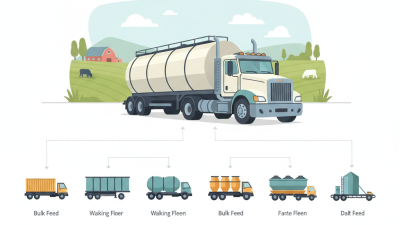
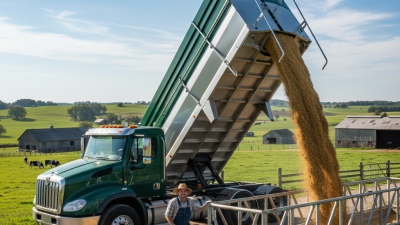
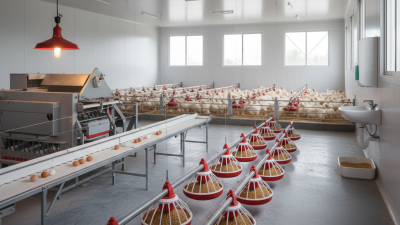
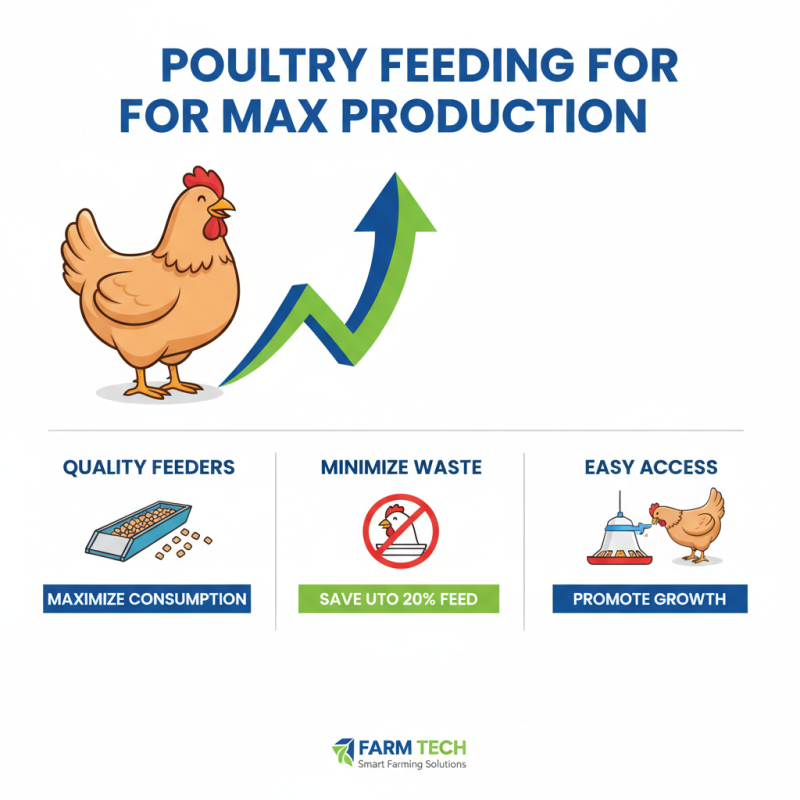
When it comes to poultry farming, having the right equipment is essential for high-quality production. A reliable feed system plays a crucial role in ensuring that your birds receive the proper nutrition. A well-structured feed line can reduce waste and optimize feed efficiency. It’s vital to think about the type of feed you want to use and how it will be distributed to your flock.
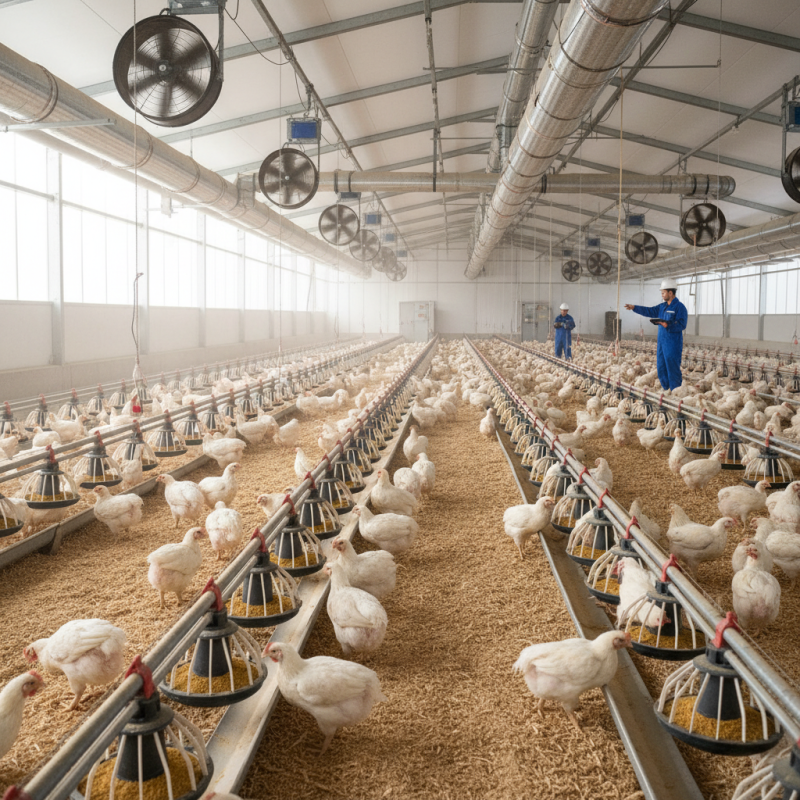
Ventilation systems must also be carefully considered. Proper air circulation helps maintain a healthy environment for the birds. Chickens are susceptible to heat stress. An effective ventilation system can prevent issues that arise from temperature extremes. Keeping the air fresh can sometimes be overlooked, but it is crucial for egg production and overall bird health.
Moreover, investing in proper monitoring tools can be a game-changer. These tools help track health and environmental conditions. However, not all systems are perfect. They may require regular adjustments or updates to stay effective. Farmers must be proactive and reflective about their equipment choices. Each upgrade or change comes with potential setbacks, but adapting can lead to significant improvements in productivity.
Understanding the Importance of Brooders and Heat Sources
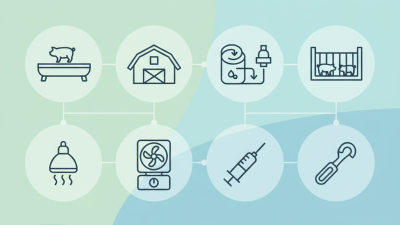
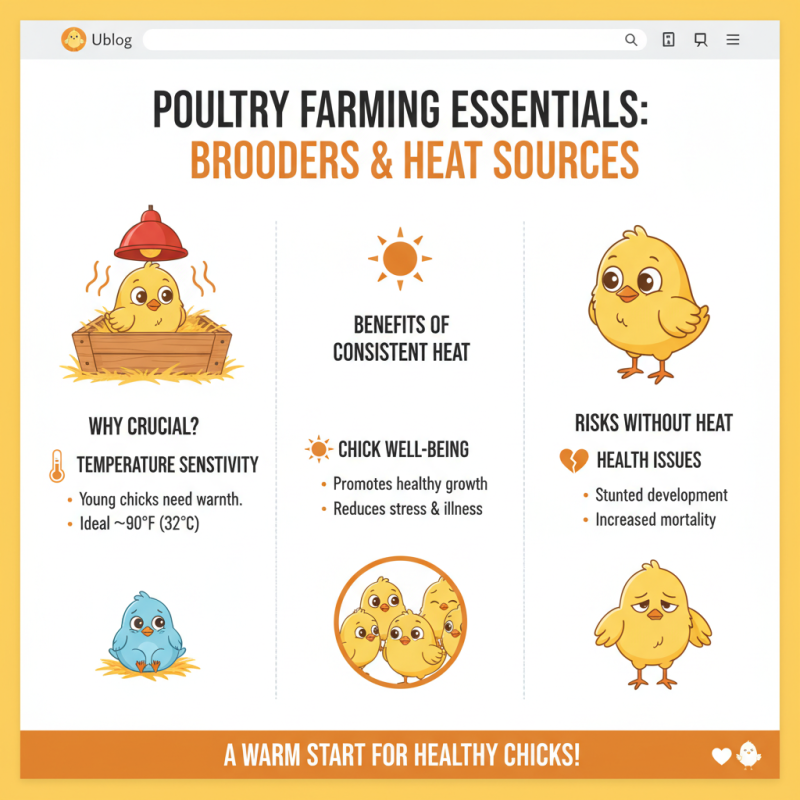
Brooders and heat sources play a crucial role in poultry farming. Young chicks are highly sensitive to temperature. They thrive best in a warm environment. A consistent heat source ensures their well-being. Without it, chicks may suffer from stress and health issues.
Choosing the right brooder is essential. Various types exist, including infrared lamps and heating plates. Each has its pros and cons. For instance, infrared lamps provide immediate warmth, but they might dry out the air. Heating plates offer more even warmth but require careful positioning.
Farmers should monitor temperatures closely. Too much heat can cause dehydration. Too little can lead to chilling. It's vital to observe the chicks' behaviors. If they huddle together, they may be cold. If they avoid the heat source, they could be too warm. These signs are key indicators of a balanced environment. Making adjustments can be challenging, but it's crucial for success.
Choosing the Right Ventilation Systems for Poultry Houses
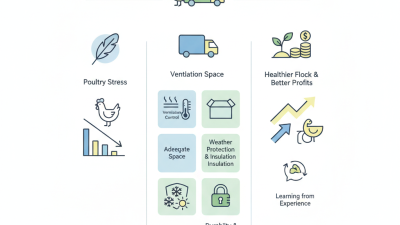
Ventilation systems play a crucial role in poultry farming. Proper airflow maintains optimal temperatures for birds. Without adequate ventilation, heat and humidity can build up quickly. This creates an unhealthy environment. Birds can become stressed, leading to reduced growth and egg production. Finding the right balance is essential.
When choosing a system, consider natural versus mechanical options. Natural ventilation relies on the building's design. It allows fresh air in while letting stale air escape. This can be effective but may not work in extreme weather. Mechanical systems can support airflow. They are adjustable and provide consistent conditions. However, they require more maintenance and energy.
It's vital to monitor air quality regularly. Poor ventilation can lead to health issues like ammonia buildup. Birds might show signs of respiratory distress. Think about using sensors to track air conditions. This allows for timely adjustments. Reflecting on your current setup can lead to improvements. Don't overlook the importance of good ventilation in successful poultry farming.
Top Poultry Farm Equipment You Need for Successful Farming - Choosing the Right Ventilation Systems for Poultry Houses
| Equipment Type |
Description |
Benefits |
Ideal For |
| Natural Ventilation System |
Uses passive airflow through openings in the poultry house. |
Cost-effective and energy-efficient. |
Small to medium-sized farms. |
| Mechanical Ventilation System |
Involves fans and ducts to control airflow. |
Provides precise control over indoor climate. |
Large poultry houses. |
| Evaporative Cooling System |
Uses water evaporation to cool incoming air. |
Reduces heat stress in birds. |
Warm climates. |
| Heat Recovery Ventilation |
Recovers heat from outgoing air to warm incoming air. |
Improves energy efficiency. |
Cold climates. |
| Air Filtration System |
Filters harmful particles and pathogens from incoming air. |
Improves air quality and bird health. |
All poultry operations. |
Investing in Poultry Waste Management Solutions for Sustainability
Poultry waste management is crucial for sustainable farming. Approximately 70% of poultry waste ends up harming the environment if not managed properly. Farmers need effective solutions to handle waste effectively. Implementing systems for composting and anaerobic digestion can reduce waste by over 50%. These methods not only minimize pollution but also generate valuable by-products.
Investing in sustainable practices is essential. Reports indicate that poorly managed waste can emit harmful gases, contributing to climate change. Poultry farms produce more than 1 billion tons of manure each year. The potential for nutrient recycling is significant. Properly designed waste management systems can convert waste into fertilizers, benefiting crops.
However, many farmers face challenges in integrating these systems. Initial costs may be high, and technological knowledge is often lacking. This creates a gap between potential and practice. Relying solely on traditional waste disposal methods is tempting but unsustainable. Continuous education and investment in waste management innovations are key to farming's future.