Top 10 Pig Transport Trucks for Efficient Global Shipping
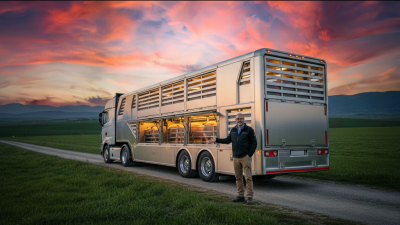
The global demand for pork continues to rise. Efficient transportation has become crucial in the livestock industry. A reliable Pig Transport Truck plays a vital role in ensuring the welfare of pigs during shipping. These trucks are designed to provide comfort, safety, and appropriate ventilation for the animals.
Choosing the right Pig Transport Truck requires knowledge and careful consideration. Various models cater to different needs, from small farms to large-scale operations. Factors such as loading capacity, temperature control, and design can greatly impact the shipping process. With so many options available, it can be overwhelming for producers.
Some trucks may not meet certain standards or regulations. This can lead to challenges in shipping and animal welfare. It is essential for producers to remain informed about the latest technologies and innovations in pig transport. This understanding can improve animal care and ensure compliance with industry standards. In the end, the right choice in transport can enhance efficiency and animal well-being, paving the way for successful global shipping.
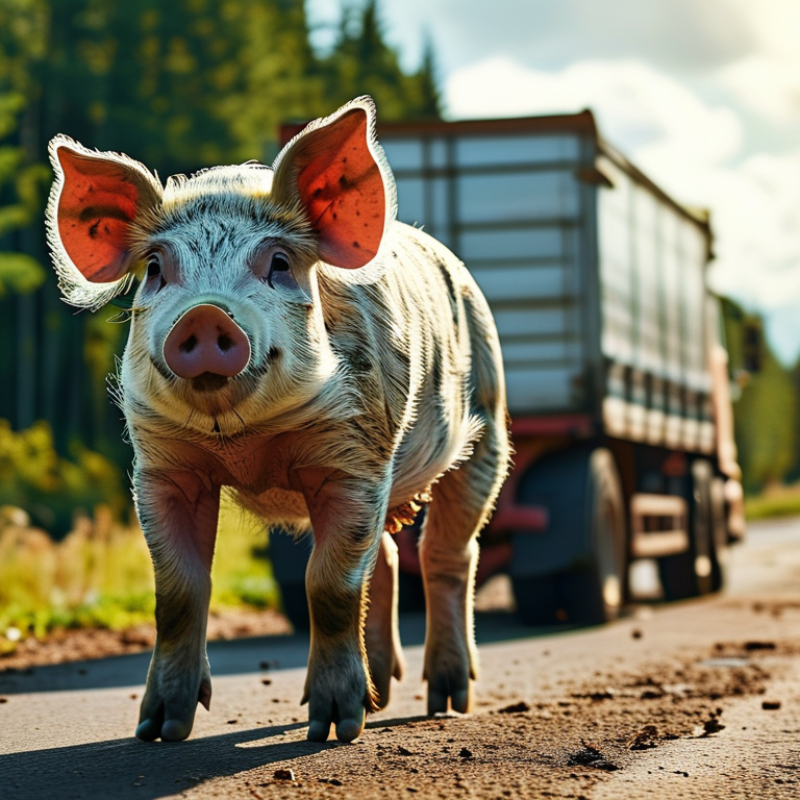
Overview of Pig Transport Trucks in the Global Shipping Industry
In the global shipping industry, pig transport trucks play a crucial role. These specialized vehicles ensure the safe and efficient movement of livestock across vast distances. Different models cater to varying needs, each designed for the comfort and safety of the animals. The integration of temperature control and ventilation systems is particularly essential. Such features help maintain a stable environment during transport.
Choosing the right truck is vital for logistics efficiency. It minimizes stress for the animals and maximizes cargo capacity. Tip: Evaluate the truck’s design for adequate space and airflow. Ensure it meets animal welfare standards. Look for trucks that offer easy loading and unloading, as this can save time and reduce risk during transport.
Consider the maintenance of these trucks as well. Regular inspections can help prevent breakdowns. A well-maintained vehicle improves overall reliability. Tip: Keep a checklist for routine checks. This ensures that the trucks remain in optimal condition for transporting animals. Address minor issues before they become significant problems to ensure uninterrupted service.
Criteria for Selecting Efficient Pig Transport Trucks
When selecting efficient pig transport trucks, several key criteria come into play. First, the truck’s design is critical. A well-ventilated, spacious interior ensures pigs remain comfortable during transit. Proper space reduces stress and helps maintain their health. Consideration of temperature regulation is also vital. Extreme temperatures can harm the livestock, requiring trucks to have effective climate control systems.
A second aspect is the truck's structural integrity. The materials used should be durable yet lightweight. This balance ensures the vehicle can handle heavy loads without compromising fuel efficiency. The ease of loading and unloading also matters. Trucks with low floors or hydraulic lifts simplify the process, making it quicker and safer for both animals and handlers.
Daily use of these trucks often reveals hidden challenges. Some designs might not withstand harsh weather. Others may lack adequate safety features. Regular assessments and adjustments can enhance reliability. Building a fleet that meets these evolving needs is essential for maintaining efficiency in global shipping.
Top Features to Look for in Pig Transport Vehicles
When selecting pig transport vehicles, efficiency and animal welfare are paramount. Industry reports indicate that well-designed trucks minimize stress and ensure safe arrival at destinations. Key features include proper ventilation systems to maintain comfortable temperatures. Research shows that pigs are sensitive to heat, with optimal transport temperatures ideally below 20°C.
Size matters. Trucks must accommodate pigs comfortably, preventing overcrowding and minimizing injury risks. According to the European Commission, proper space allocation can reduce stress levels by up to 30%. In addition to space, sturdy flooring is crucial to prevent slips and falls, ensuring the animals are safe throughout their journey. Regular inspections of the vehicle's condition can help identify potential issues before transport.
Finally, transport trucks should incorporate technology, like GPS tracking and temperature monitoring. Such features allow for real-time data, improving logistics and response to emergencies. However, tech reliance can create concerns if systems fail. Not all transporters can guarantee full compliance with standards, making it essential to review their practices. The industry must continuously reflect on methods and innovate for better outcomes.
Top 10 Pig Transport Trucks for Efficient Global Shipping - Top Features to Look for in Pig Transport Vehicles
| Truck Model |
Capacity (Pigs) |
Temperature Control |
Ventilation System |
Material |
Average Cost (USD) |
| Model A |
250 |
Yes |
Advanced |
Aluminum |
30,000 |
| Model B |
300 |
No |
Standard |
Steel |
25,000 |
| Model C |
200 |
Yes |
Enhanced |
Polyester |
28,000 |
| Model D |
350 |
Yes |
Standard |
Aluminum |
32,000 |
| Model E |
400 |
No |
Basic |
Heavy-duty Steel |
35,000 |
| Model F |
450 |
Yes |
Advanced |
Composite |
40,000 |
| Model G |
300 |
No |
Standard |
Aluminum |
27,000 |
| Model H |
350 |
Yes |
Enhanced |
Polymer |
38,000 |
| Model I |
500 |
No |
Basic |
Heavy-duty Steel |
42,000 |
| Model J |
600 |
Yes |
Advanced |
Composite |
50,000 |
Comparison of Leading Pig Transport Truck Models
When it comes to transporting pigs efficiently, selecting the right truck model is crucial. Various reports indicate a substantial rise in global meat consumption, leading to increased demand for effective logistics solutions. For instance, a recent industry analysis suggests that optimized transport methods can reduce stress on animals and improve overall welfare by 20%.
Leading models of pig transport trucks focus on features such as ventilation and temperature control. These elements significantly influence animal comfort and health during long journeys. A study highlighted that improper temperature management could lead to a 15% increase in mortality rates. Moreover, trucks with modular designs allow for flexible loading capacities, catering to different needs in various regions.
However, challenges remain. Not all models utilize the latest advancements in technology, such as GPS tracking and automated climate control systems. This can lead to inefficiencies and missed opportunities for better animal welfare. Addressing these gaps is critical for ensuring both ethical standards and profitable operations in the pig transport industry.
Top 10 Pig Transport Trucks for Efficient Global Shipping
Impact of Pig Transport Trucks on Animal Welfare and Logistics
Efficient pig transport trucks play a vital role in both animal welfare and logistics. According to the World Organisation for Animal Health (OIE), proper transport significantly impacts the health and well-being of livestock. When pigs are transported in unsafe conditions, stress levels soar. This stress can lead to injuries and even death, affecting entire shipments and incurring financial losses.
The design of transport trucks is crucial. They must include adequate ventilation and space. Studies show that overcrowded trucks can lead to up to a 30% increase in injuries. This statistic highlights a serious issue that needs addressing. Not every transport method meets these essential welfare standards. It's alarming to note that some trucks are still not equipped with temperature control. This can expose animals to extreme conditions for hours.
The logistics chain is equally affected. Inefficient transport can delay shipments, leading to spoilage. According to a recent logistics report, improving transport efficiency can reduce costs by up to 20%. Yet, the balance between cost and animal welfare remains delicate. Companies must reflect on their practices. Improving truck designs and ensuring compliance with regulations are steps toward better outcomes for all stakeholders involved.