Top 10 Livestock Farming Equipment Buyers Guide for 2026?
The livestock farming industry is evolving rapidly. By 2026, the demand for advanced livestock farming equipment is projected to surge significantly. According to Global Market Insights, the livestock equipment market could surpass $20 billion by 2026. This growth reflects the increasing focus on efficiency and sustainability in farming practices.
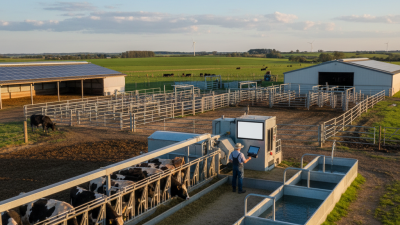
Farmers are looking for innovative solutions to enhance productivity. Livestock farming equipment, such as automated feeding systems and advanced milking machines, plays a pivotal role in this transition. Effective equipment not only boosts operational efficiency but also mitigates labor shortages, which have become a pressing issue. However, selecting the right equipment can be challenging.
As producers navigate numerous options, the choices can feel overwhelming. The right tools can mean the difference between profit and loss. Awareness of the latest technology trends is crucial. Understanding the specific needs of their livestock and farm layout is essential. Farmers should take time to reflect on their unique requirements before investing in livestock farming equipment.
Understanding the Importance of Livestock Farming Equipment in 2026
In 2026, the significance of livestock farming equipment will be more pronounced than ever. As global populations rise, the demand for livestock products continues to surge. According to a recent report by the Food and Agriculture Organization, meat consumption is projected to increase by 14% from 2020 to 2030. This trend necessitates robust equipment to optimize production and ensure animal welfare.
Investing in advanced livestock farming equipment can significantly enhance productivity. Tools like automated feeding systems and climate control technologies improve efficiency and minimize labor costs. A study from the American Society of Agricultural and Biological Engineers highlights that automation can reduce labor requirements by 25% while increasing output by 30%. However, implementing these technologies can be challenging. Many farmers express concerns about the initial investment costs and the learning curve associated with new systems.
Despite these challenges, overlooking the importance of modern equipment can lead to missed opportunities. Aging equipment often results in higher operational costs and diminished productivity. Moreover, livestock health can be compromised if farmers do not adapt to new standards and innovations. As 2026 approaches, prioritizing the right equipment will be crucial for success in the livestock sector, but it requires careful evaluation and strategic planning.
Top 10 Livestock Farming Equipment Buyers Guide for 2026
| Equipment Type |
Importance |
Key Features |
Estimated Cost ($) |
| Automatic Feeders |
Efficiency in feeding |
Programmable settings, timer controls |
1,500 - 3,000 |
| Watering Systems |
Consistent hydration |
Automatic refills, filtration systems |
800 - 1,500 |
| Tractors |
Versatility in fieldwork |
Multiple attachments, high power |
15,000 - 50,000 |
| Livestock Trailers |
Animal transport |
Safety features, various sizes |
5,000 - 20,000 |
| Manure Spreaders |
Nutrient recycling |
Adjustable spreading width, durable design |
3,000 - 10,000 |
| Fencing Equipment |
Animal containment |
Durability, resistance to elements |
1,000 - 5,000 |
| Livestock Weighing Scales |
Health monitoring |
Digital readout, portability |
200 - 1,500 |
| Milking Machines |
Dairy efficiency |
Automated operation, easy cleaning |
2,000 - 10,000 |
| Heat Detection Systems |
Breeding efficiency |
Wearable sensors, data analytics |
500 - 3,000 |
| Biosecurity Equipment |
Disease prevention |
Sanitation tools, monitoring devices |
300 - 2,000 |
Key Factors Driving Equipment Demand in Modern Livestock Farming
The demand for livestock farming equipment is surging in response to modern agricultural needs. According to a recent report by the Agricultural Equipment Manufacturers Association, the global livestock equipment market is expected to reach $8 billion by 2026. This growth is driven by several key factors.
First, the push for increased efficiency has reshaped livestock farming. Farmers are now looking for technologies that minimize labor and maximize productivity. Automated feeding systems, for instance, can save up to 30% on feed costs. Additionally, advancements in health monitoring technologies help farmers track animal well-being, potentially increasing yields. Industry research indicates that 75% of farmers consider such technologies essential for their operations.
Sustainability plays a crucial role as well. Many farms are adopting equipment that aligns with environmental concerns. Renewable energy-powered systems and water-efficient technologies are on the rise. As farmers seek to lower their carbon footprint, equipment choices are adapting. These shifts highlight the need for ongoing education and innovation.
Despite these advancements, challenges remain in balancing cost and technology adoption. It's clear that the landscape of livestock farming is evolving rapidly, and decisions are becoming increasingly complex.
Top Technologies Shaping Livestock Farming Equipment Innovations
The livestock farming industry is undergoing a significant transformation, driven by innovation and technology. Advanced equipment is reshaping the way farmers manage their operations. From automated feeding systems to precision livestock farming tools, these technologies enhance efficiency and productivity. Livestock farmers can monitor health and growth patterns more effectively, ensuring optimal care for their animals.
Tips: Consider integrating smart sensors into your livestock systems. These devices provide real-time data, helping you make informed decisions.
Emerging technologies like artificial intelligence are playing a crucial role in livestock farming. AI can analyze vast amounts of data to predict trends and improve breeding programs. Incorporating machine learning into farming practices may seem complex, but the benefits can outweigh initial challenges.
Tips: Begin with small-scale AI applications. Test them on a few animals to assess their effectiveness before wider implementation.
Sustainability is another critical aspect. Many farmers are now focusing on reducing waste and emissions. Innovative waste management systems can convert manure into valuable fertilizers, promoting a circular economy in farming. Rethinking traditional practices can lead to more sustainable outcomes.
Tips: Explore partnerships with tech startups focused on sustainable solutions. Collaborating can provide access to cutting-edge innovations that you may not realize you need.
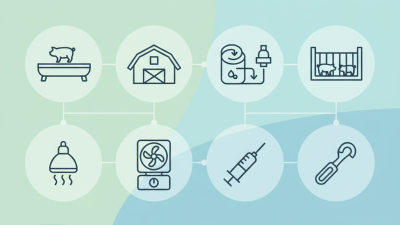
Top 10 Livestock Farming Equipment Innovations for 2026
Analyzing the Cost-Benefit of Investing in Advanced Equipment
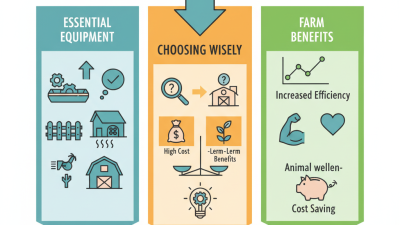
Investing in advanced livestock farming equipment is a critical decision. It requires careful analysis of costs and benefits. Farmers often face pressure to modernize. Advanced machinery can boost efficiency. However, the upfront costs can be daunting. Farmers must evaluate whether the long-term gains justify the initial investment.
When considering new equipment, think about productivity. How much time could you save? A faster feeding system can reduce labor hours. Similarly, automated milking machines can increase daily output. But maintenance costs can add up. It’s crucial to have a clear understanding of potential breakdowns.
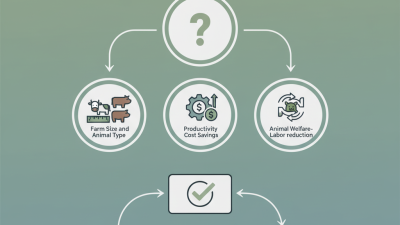
Not every new tool is a perfect fit for every operation. Some equipment may not deliver the promised gains. Researching case studies can help identify which tools work best in specific conditions. Engaging with industry experts can provide deeper insights. Overall, balancing initial investments with potential future returns is essential for any livestock operation.
Forecasting Market Trends: Livestock Equipment Purchases Through 2026
As we look toward 2026, understanding market trends in livestock equipment purchases is essential. Farmers are increasingly focused on efficiency and sustainability. Modern equipment must meet these needs while also remaining cost-effective.
Market trends reveal a shift toward automated systems that reduce labor costs. These systems can help monitor livestock health and optimize feeding schedules. However, farmers must evaluate the return on investment carefully. What works for one farm may not suit another. This individualized assessment will be critical.
Another trend is the rise of smart farming technologies. Sensors and data analytics are becoming commonplace. They provide real-time insights that can enhance decision-making. Yet, integrating such technology may pose challenges. Low adoption rates in traditional farming sectors highlight this issue. Balancing innovation with practical limitations is crucial for future purchasing decisions.