Top Feed Transportation Vehicles for Efficient Global Supply Chain?
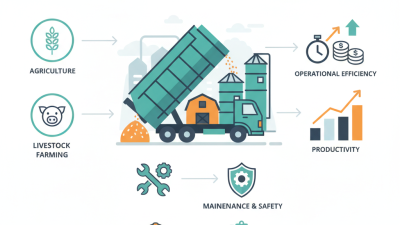
In today's global supply chain, the role of a Feed Transportation Vehicle is critical. According to Dr. Emily Harper, an expert in supply chain logistics, "Efficient feed transportation can significantly reduce costs and enhance productivity." This illustrates the importance of choosing the right vehicles for transporting feed products.
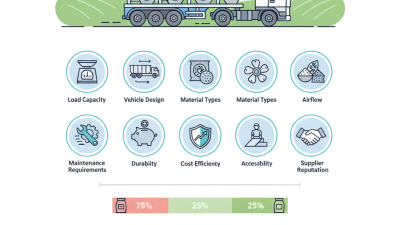
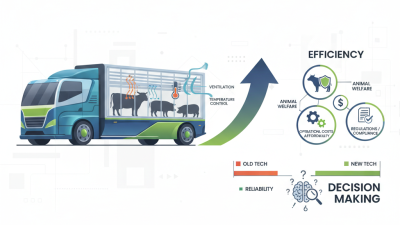
Feed Transportation Vehicles must be reliable and efficient. The design of these vehicles impacts not only the travel time but also the quality of the feed. A timely delivery ensures that livestock receive fresh and nutritious feeding materials. However, challenges like vehicle maintenance and route planning remain prevalent. Some companies struggle with outdated models that do not meet modern standards.
In a rapidly evolving market, innovation is essential. Lack of adaptation to new technologies can hurt competitiveness. Investing in advanced Feed Transportation Vehicles can streamline operations. Companies must reflect on their current logistics strategies to remain viable. There is always room for improvement in this essential aspect of supply chain management.
Key Features of Feed Transportation Vehicles in Supply Chains
In today’s global supply chain,
feed transportation vehicles
play a crucial role in ensuring efficiency. These vehicles must meet various requirements to handle the specific needs of transporting goods.
Robust design
is essential, enabling them to withstand different weather conditions. They often feature reinforced materials that protect their cargo during transit.
Moreover,
fuel efficiency
is a significant factor. Vehicles designed to minimize fuel consumption can drastically reduce operational costs. This is increasingly important for businesses aiming for sustainability.
Advanced tracking systems are also common. These systems provide real-time updates on location and condition, enhancing transparency in the supply chain.
Some vehicle designs, however, may fail to optimize space effectively. This is a common reflection point for companies. Ensuring the proper fit for various cargo dimensions remains a challenge. Additionally, maintaining a balance between
weight and capacity
can lead to inefficiencies. As technology evolves, so too must the approach to vehicle design and functionality.
Types of Feed Transportation Vehicles Used Globally
The global supply chain relies heavily on various feed transportation vehicles. These vehicles ensure that essential materials reach manufacturers and consumers efficiently.
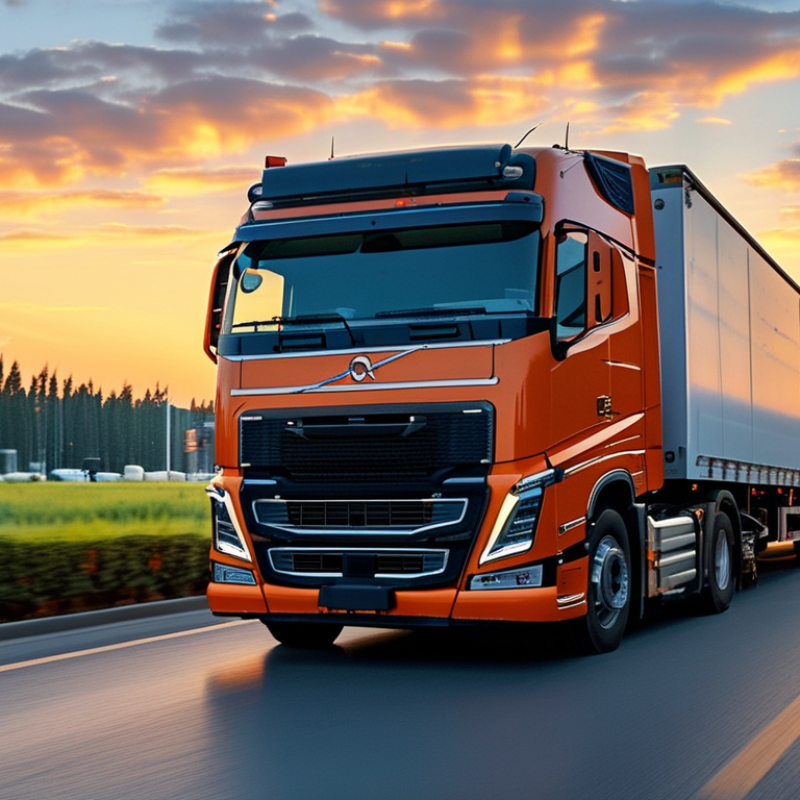
Trucks dominate the landscape, offering flexibility and accessibility to rural areas. Their ability to navigate diverse terrains makes them a popular choice.
Rail transport is another key player. Trains can carry large quantities over great distances. This method is often more cost-effective for bulk materials. However, rail access can be limited, creating bottlenecks.
Shipping by sea also plays a crucial role, especially for international trade. Container ships can transport vast amounts, but they require careful scheduling to minimize delays.
Air freight, though more expensive, is perfect for time-sensitive goods. Yet, it presents environmental challenges. Each vehicle type has its strengths and weaknesses. Balanced strategies must be employed.
Optimizing the blend of these transportation methods can help reduce inefficiencies in the supply chain. Finding the right mix is an ongoing challenge for many organizations.
Factors Influencing the Choice of Feed Transportation Methods
When choosing feed transportation methods, several factors come into play. The distance between suppliers and consumers significantly impacts the decision. Shorter distances may favor road transport, while longer distances might require rail or shipping options.
Costs also matter. Balancing transportation expenses with delivery times is essential. Often, lower costs can lead to longer transit times, which may not be feasible for perishables. Quality of transportation should not be compromised for savings, as delays can affect feed integrity.
**Tips:** Consider local infrastructures, such as road quality and port accessibility. Evaluate the reliability of transport providers. Efficient routes can save time and money. Also, analyze seasonal factors; demand can peak during certain periods, affecting transportation availability.
Sustainability is another key concern. Many businesses are shifting towards greener alternatives. This transition can rely on electric vehicles or biofuels. It's important to assess potential impacts on the bottom line. Not all green solutions are cost-effective initially. Balancing eco-friendly practices with operational efficiency demands careful planning and reflection.
Top Feed Transportation Vehicles for Efficient Global Supply Chain
Best Practices for Optimizing Feed Transportation Efficiency
Efficient feed transportation is critical for a sustainable global supply chain. According to industry reports, transportation costs can account for 20-25% of overall supply chain expenses. Optimizing this process can lead to significant savings and improved operational efficiency.
One effective practice is route optimization. Using advanced logistics software helps reduce travel distances and improve delivery times. Real-time tracking provides insights into potential delays, enabling timely interventions. Additionally, maintaining proper vehicle maintenance schedules minimizes breakdowns, which can disrupt the supply chain.
Tip: Implement a centralized data system. This enhances communication among partners and allows for better inventory management.
Investing in multi-modal transportation also enhances flexibility. Combining road, rail, and sea transport can decrease costs and carbon emissions. However, different modes require careful coordination to prevent bottlenecks. Analysis of current data and historical performance is vital for making informed decisions.
Tip: Regularly review transportation methods. This practice identifies inefficiencies and continuously improves your supply chain's effectiveness.
Impact of Technology on Feed Transportation in Supply Chains
The transportation of feed is evolving rapidly due to technology. Real-time tracking systems have been instrumental in optimizing routes. A recent report indicated that companies using this technology can reduce transportation costs by up to 15%. It allows businesses to adjust delivery schedules and respond quickly to unforeseen delays.
Moreover, data analytics plays a crucial role. It helps in predicting demand patterns and inventory levels. Industry studies show that firms leveraging analytical tools improve their supply chain efficiency by 20%. However, the reliance on technology has its drawbacks. Cybersecurity threats have increased due to more connected systems. Companies must invest in security measures to protect sensitive data.
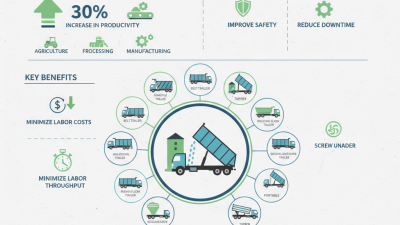
The integration of autonomous vehicles is another breakthrough. While promising, it raises questions about regulatory challenges and safety. Industry data suggests that implementing these vehicles could lead to a 30% increase in delivery speed. Yet, the transition may disrupt current supply chain practices. Balancing innovation with reliable operations remains a critical challenge for the future.