Top 10 Bulk Feed Transport Vehicles You Should Know?
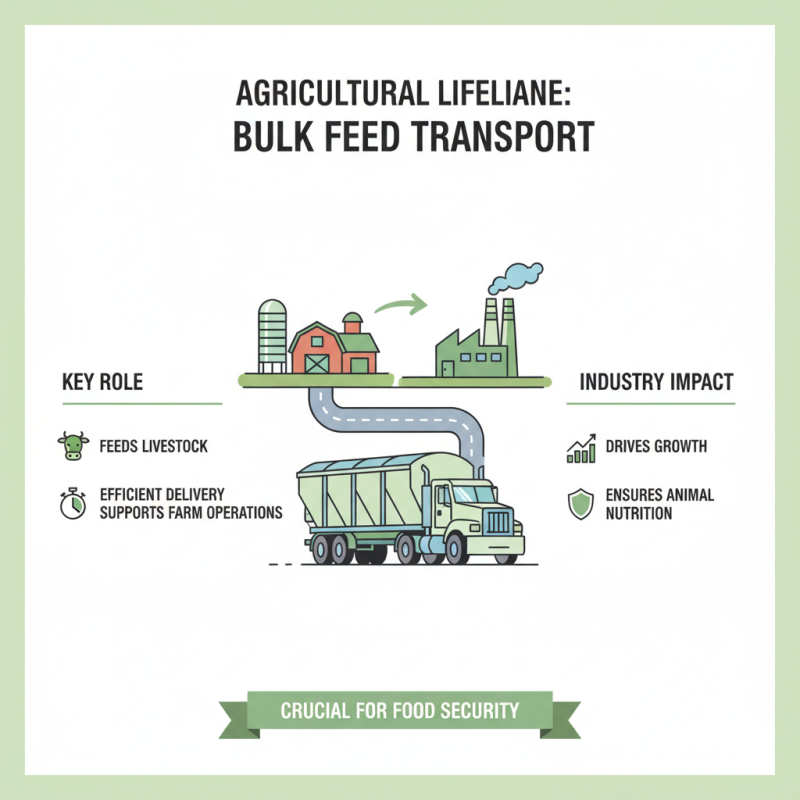
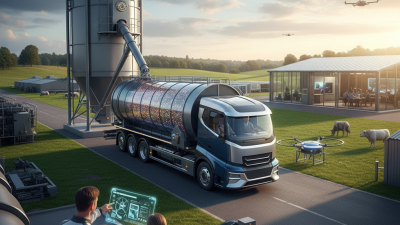
In the world of agriculture and livestock, bulk feed transport vehicles play a crucial role. These vehicles are designed to carry large quantities of feed efficiently. They ensure that livestock receive their necessary nutrition without delay. Choosing the right bulk feed transport vehicle can significantly impact productivity.
From containers to specialized trucks, the options are plentiful. Some vehicles are optimized for certain types of feed, while others offer versatility. Understanding the unique features of each bulk feed transport vehicle is essential for effective operations. However, not every design perfectly meets all needs. Factors like capacity and maneuverability can create challenges.
Investing in a bulk feed transport vehicle requires careful thought. Balancing cost, efficiency, and durability is no easy task. It is critical to consider long-term needs and environmental impacts. The right choice can make all the difference in successfully feeding livestock. As we dive into the top 10 options, it's important to reflect on the strengths and weaknesses of each vehicle.
Overview of Bulk Feed Transport Vehicles and Their Importance
Bulk feed transport vehicles play a crucial role in the agricultural supply chain. They efficiently move large quantities of feed to farms, ensuring animals receive the nourishment they need. Without these vehicles, many livestock operations would face significant challenges. The demand for reliable transport grows as the industry expands.
When choosing a bulk feed transport vehicle, consider capacity and efficiency. A well-designed truck can save time and fuel. Ensure it meets the specific requirements of the feed being transported. Different feed types require different handling methods. Some feeds are more delicate than others, demanding careful transport.
Tips: Always inspect vehicles before loading. Regular maintenance prevents breakdowns during transport. If a vehicle is outdated, it may not handle loads effectively. Reflecting on this can lead to better decision-making. Additionally, training drivers on safe loading and unloading practices enhances overall safety and protects the feed's quality.
Types of Bulk Feed Transport Vehicles: A Comprehensive Breakdown
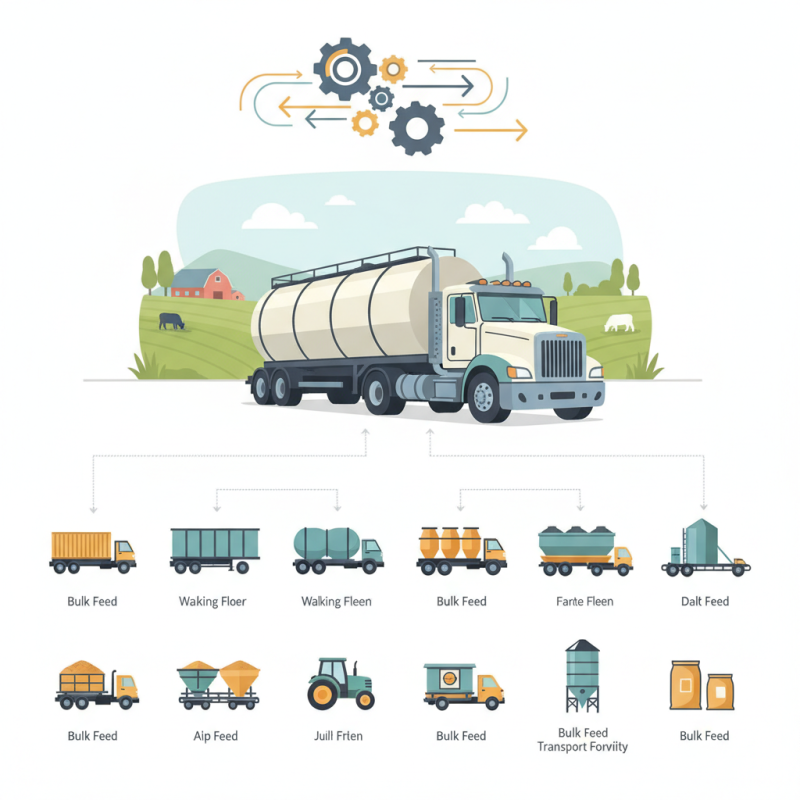
When it comes to bulk feed transportation, different vehicles serve various needs. First, pneumatic tankers are popular. They efficiently transport dry feed components like powdered ingredients. Data from industry reports show that these tankers can handle varying capacities, often exceeding 1,500 cubic feet. They are essential for maintaining feed quality during transit.
Another critical category includes walking floor trailers. These provide flexibility by allowing for easy unloading of bulk materials. They can carry up to 80,000 pounds, making them suitable for large operations. However, they can be cumbersome in tight spaces, which requires careful planning for loading and unloading.
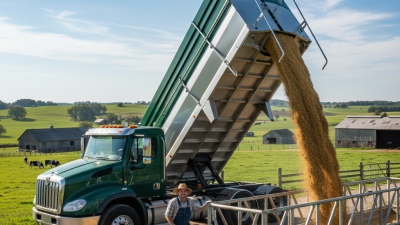
Tippers are also widely used. They are designed for loose bulk materials, like grains and feed pellets. While they boast high payload capacities, they can sometimes lead to spillage if not handled properly. Industry surveys indicate that around 15% of feed loss occurs during transport due to such inefficiencies. Each vehicle type has its pros and cons, emphasizing the need for careful vehicle selection based on specific operational requirements.
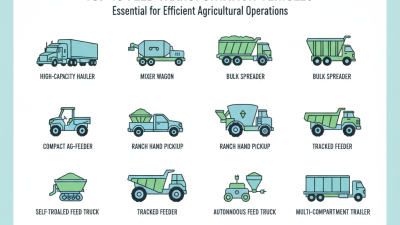
Top 10 Bulk Feed Transport Vehicles
Key Features and Specifications for Effective Bulk Feed Transport
When transporting bulk feed, efficiency is crucial. Optimal vehicles should feature robust capacity and durability. A well-designed bulk feed transport vehicle can carry up to 30 tons of feed. This is significant for large-scale operations aiming to minimize transport frequency. According to industry reports, an increase in transport efficiency can reduce logistical costs by up to 15%.
Key specifications include a reliable suspension system. This ensures the safe delivery of feed, preventing contamination. Another important feature is a dust-tight design to maintain feed quality. A significant portion of feed degradation comes from exposure to moisture and pests during transport. Vehicles that incorporate advanced sealing technology can mitigate this risk.
Incorporating telemetry systems adds valuable data. Real-time tracking helps manage routes effectively. It also improves operational transparency. However, some vehicles still lack this modern technology. Many operations are hesitant to invest in upgrades, fearing implementation challenges. The future of bulk feed transport relies on overcoming these barriers for more efficient logistics.
Top 10 Bulk Feed Transport Vehicles You Should Know - Key Features and Specifications for Effective Bulk Feed Transport
| Model |
Capacity (tons) |
Engine Power (HP) |
Weight (kg) |
Fuel Type |
| Vehicle A |
25 |
450 |
6800 |
Diesel |
| Vehicle B |
30 |
500 |
7200 |
Diesel |
| Vehicle C |
20 |
400 |
6500 |
Petrol |
| Vehicle D |
28 |
480 |
7000 |
Diesel |
| Vehicle E |
18 |
350 |
6000 |
Petrol |
| Vehicle F |
22 |
460 |
6700 |
Diesel |
| Vehicle G |
26 |
490 |
7400 |
Diesel |
| Vehicle H |
24 |
420 |
6300 |
Petrol |
| Vehicle I |
19 |
380 |
6100 |
Diesel |
| Vehicle J |
27 |
450 |
6900 |
Diesel |
Safety Considerations and Regulations for Bulk Feed Transport Vehicles
When it comes to bulk feed transport vehicles, safety is paramount. These vehicles often carry essential agricultural products that need careful handling. Operators must ensure their vehicles meet stringent safety standards. This includes regular inspections of brakes, tires, and loading mechanisms. Missing one small detail can lead to accidents.
Regulations vary by region but many require specific training. Operators should understand weight limits and load securing techniques. Unsecured loads can shift, leading to serious mishaps. Understanding local laws helps avoid heavy fines or penalties. It is vital to stay updated on safety protocols.
Inadequate maintenance can compromise vehicle performance. Routine check-ups are essential but often neglected. Drivers should maintain clear records of inspections and repairs. A small oversight today can lead to larger issues tomorrow. Emphasizing safety and responsiveness to regulations is crucial for the industry’s reputation. It’s about protecting lives and ensuring the integrity of vital goods.
Future Trends and Innovations in Bulk Feed Transport Technology
In the ever-evolving world of agriculture, bulk feed transport technology is seeing exciting innovations. The future holds promise for increased efficiency and sustainability. Vehicles are becoming smarter. IoT devices can monitor cargo conditions. These advancements ensure that feed is transported safely and economically.
One emerging trend is the use of alternative fuels. Electric and hybrid vehicles are gaining traction. They reduce emissions and operating costs. However, adapting to this technology can be challenging. Infrastructure for charging these vehicles is still developing. Companies need to evaluate their readiness for these changes.
Another trend is the incorporation of automation. Automated systems can enhance loading and unloading processes. This hardware minimizes labor costs and improves speed. However, over-reliance on automation may result in skill gaps among workers. It is crucial to balance technology with human expertise.
Tips: Always consider the total cost of ownership. Analyze how technology can fit into existing operations. Regularly assess the condition of transport vehicles to ensure reliability. Embracing innovation is essential, but reflection on implementation is equally important.