Why Refrigerated Trucks Are Essential for Modern Supply Chains?
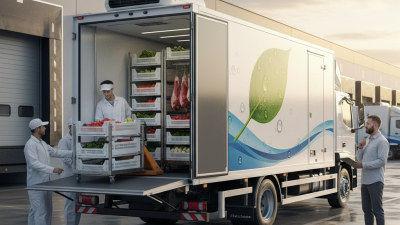
Refrigerated trucks play a vital role in today’s supply chains. They ensure that perishable goods, like fresh fruits and dairy, reach consumers in top condition. Without these trucks, many products would spoil before delivery. The temperature control provided by refrigerated trucks is crucial.
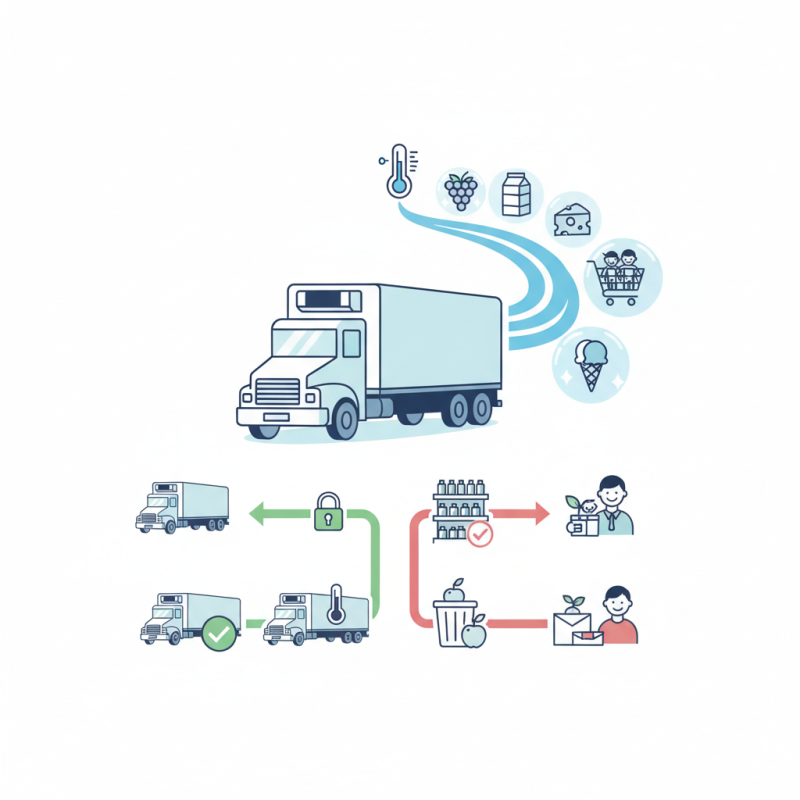
Many businesses rely on precise temperature management. For instance, the journey of ice cream from factory to store can be affected by even slight temperature changes. Refrigerated trucks help maintain quality and safety in transportation. However, not all logistics companies invest equally in these trucks. This raises questions about reliability.
Balancing costs with operational needs is a challenge. Some companies may overlook the benefits of refrigerated transport due to expenses. This oversight can lead to wasted resources and unhappy customers. Reflecting on these issues reveals the importance of investing in refrigerated trucks. They are essential for a reliable modern supply chain.
The Role of Refrigerated Trucks in Temperature-Sensitive Transport
Refrigerated trucks play a crucial role in temperature-sensitive transport. They ensure that perishable goods, like fruits, vegetables, and pharmaceuticals, maintain their quality. According to industry reports, about 70% of fresh produce in the supply chain relies on refrigerated transport. This is vital to avoid spoilage and waste.
Temperature control is essential. For example, the ideal temperature for transporting dairy products is usually between 33°F and 40°F. A slight deviation can ruin a batch. It's alarming to note that improper handling leads to up to 30% loss in certain perishable categories. Ensuring consistent temperatures in transit can significantly reduce this waste.
Tips: Always check the truck's temperature logs before loading. Ensure the refrigeration systems are functional and calibrated. Also, educate drivers on the importance of maintaining temperature during transport. Real-time monitoring can help avoid failures. Consider using temperature-sensitive packaging as an additional safeguard. These steps contribute to a more efficient and sustainable supply chain.
Benefits of Refrigerated Trucks for Fresh Produce and Perishable Goods
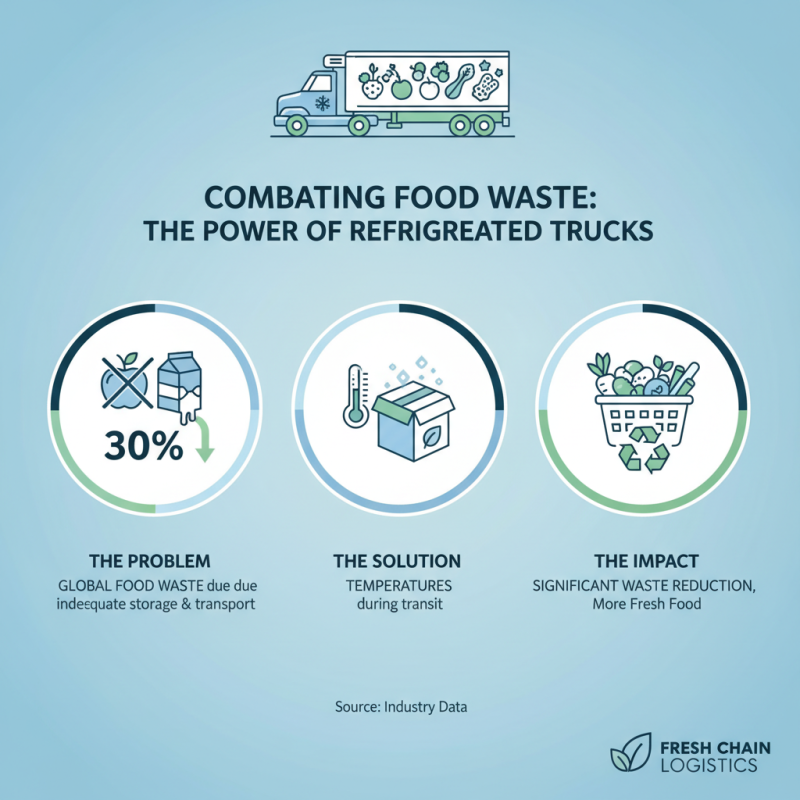
Refrigerated trucks play a crucial role in transporting fresh produce and perishable goods. With the global demand for fresh food increasing, these vehicles are essential. According to industry data, around 30% of global food supplies are wasted due to inadequate storage and transport. Refrigerated trucks can significantly reduce this waste by maintaining optimal temperatures during transit.
The ability to transport goods at controlled temperatures ensures that delicate items like fruits and vegetables remain fresh. Research shows that maintaining a temperature of 32°F to 41°F slows decay in many fresh products. For example, strawberries can last up to 14 days with proper refrigeration but only a few days without it. This difference highlights the importance of refrigerated transport in extending shelf life and preserving quality.
However, challenges still exist. Not all refrigerated trucks are maintained to the highest standards. Inconsistent temperatures can lead to spoilage. A report from the Food and Agriculture Organization notes that about 10% of shipments suffer from temperature abuse during transportation. This issue raises questions about best practices in the industry. Ensuring reliable refrigeration requires continued investment and training, vital for safeguarding food quality.
Key Technologies in Modern Refrigerated Truck Design
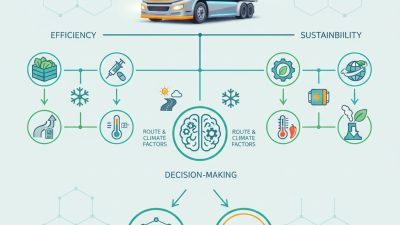
In modern supply chains, refrigerated trucks play a critical role. They ensure perishable goods like food and medicines stay fresh during transport. Advanced insulation materials enhance temperature retention. This minimizes energy consumption while preserving cargo quality.
Temperature monitoring systems are vital. They allow drivers to track conditions in real-time. Alarms notify them of any fluctuations. These features help prevent spoilage, reducing waste and saving money. However, a malfunction can lead to significant losses.
Aerodynamic designs also enhance efficiency. They reduce drag and improve fuel consumption. Yet, achieving perfect aerodynamics in every truck remains a challenge. Continuous improvement is needed in design and materials. The focus should be on balancing efficiency, cost, and environmental impact. Each advancement brings us closer but leaves room for reflection and growth.
Temperature Control Efficiency in Refrigerated Trucks
This bar chart illustrates the average temperature control efficiency of different refrigerated truck models based on their advanced insulation and refrigeration technologies. It highlights the significant improvements made in recent years, demonstrating why refrigerated trucks are essential in modern supply chains.
Challenges Facing Refrigerated Logistics in the Supply Chain
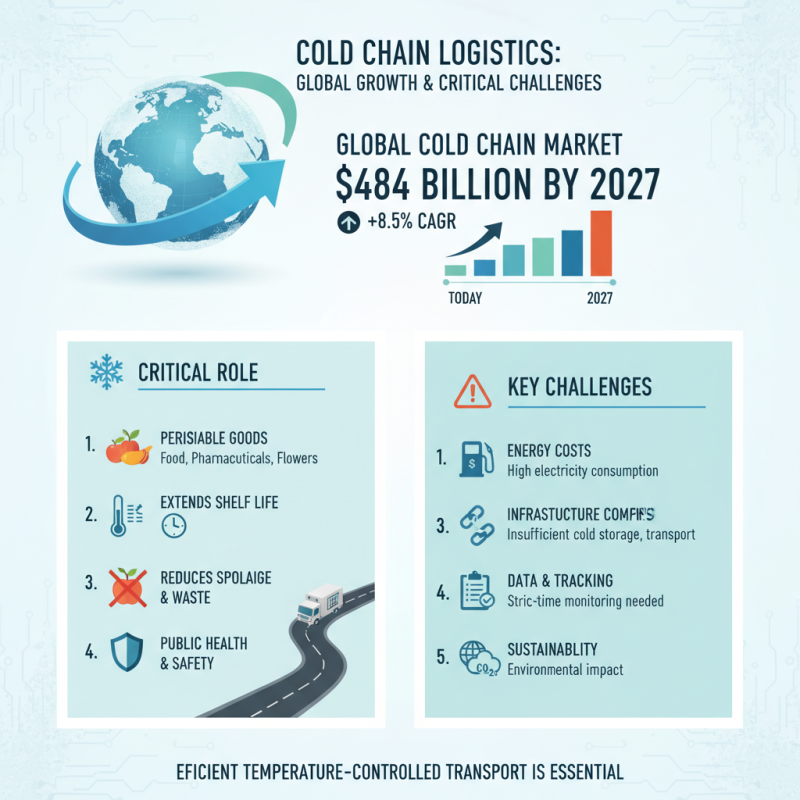
Refrigerated logistics play a critical role in supply chains, especially for perishable goods. Data shows that the global cold chain market is expected to reach $484 billion by 2027. This growth highlights the increasing demand for efficient temperature-controlled transport. However, several challenges hinder this essential sector.
One major issue is maintaining the cold chain integrity. A report from the World Health Organization states that nearly 25% of vaccines, which require refrigeration, lose their effectiveness due to inadequate transport conditions. This is not just a health risk; it impacts trust and safety in supply chains. In addition, temperature fluctuations during transit can spoil food. Studies suggest that up to $35 billion worth of food is wasted yearly in the United States alone due to improper handling.
Cost also presents a significant challenge. While refrigerated trucks are essential, they come with high operational expenses. Fuel costs and maintenance add significant pressure. Some operators find it difficult to stay profitable while adhering to strict regulations. The need for skilled drivers further complicates matters. Industry professionals often note a shortage, leading to increased delivery times and inefficiencies. This creates an urgent need for better solutions and strategies in refrigerated logistics.
Future Trends in Refrigerated Transportation and Their Impact on Supply Chains
The future of refrigerated transportation is evolving. Innovations in technology are transforming how goods are shipped. According to industry reports, the global refrigerated transport market is expected to grow by approximately 6% annually through 2030. This growth is driven by rising demand for perishable goods and stricter food safety regulations.
Cold chain logistics are becoming more efficient. The integration of IoT devices enhances monitoring. Real-time data allows for precise temperature control, reducing spoilage. Companies report that properly calibrated trucks can decrease waste by 20%. However, not all organizations are adapting quickly. Some still rely on outdated practices, risking both product quality and consumer trust.
Tips: Invest in training for staff on new technologies. Regular maintenance of refrigerated vehicles can ensure optimal performance. It’s crucial to remain aware of advancements in the industry. As consumer expectations rise, failing to keep pace could lead to significant losses. The challenge is balancing innovation with practicality. Some businesses may overlook the benefits of embracing new trends, and this could hold them back.