Top Livestock Transport Trucks for Efficient Farming in 2026?
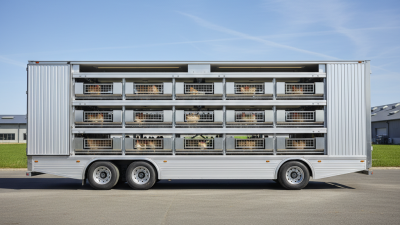
As we look towards 2026, the efficiency of farming operations hinges significantly on logistics. A vital component in this landscape is the Livestock Transport Truck. These trucks are not just vehicles; they are essential for the humane and efficient movement of animals. With advancements in technology, today's trucks feature improved ventilation and temperature control for animal welfare.
Yet, there are challenges. Not all farms can afford the latest models. Maintenance can also be a concern. Farmers must weigh the benefits of new technology against operational costs. Additionally, regulations on transportation can be complex, making it crucial to stay informed.
In this context, selecting the right Livestock Transport Truck becomes critical. It's not just about capacity; durability and reliability are key. Farmers may need to reassess what features they value most. Understanding these facets can lead to better decisions for both animal welfare and farm productivity.

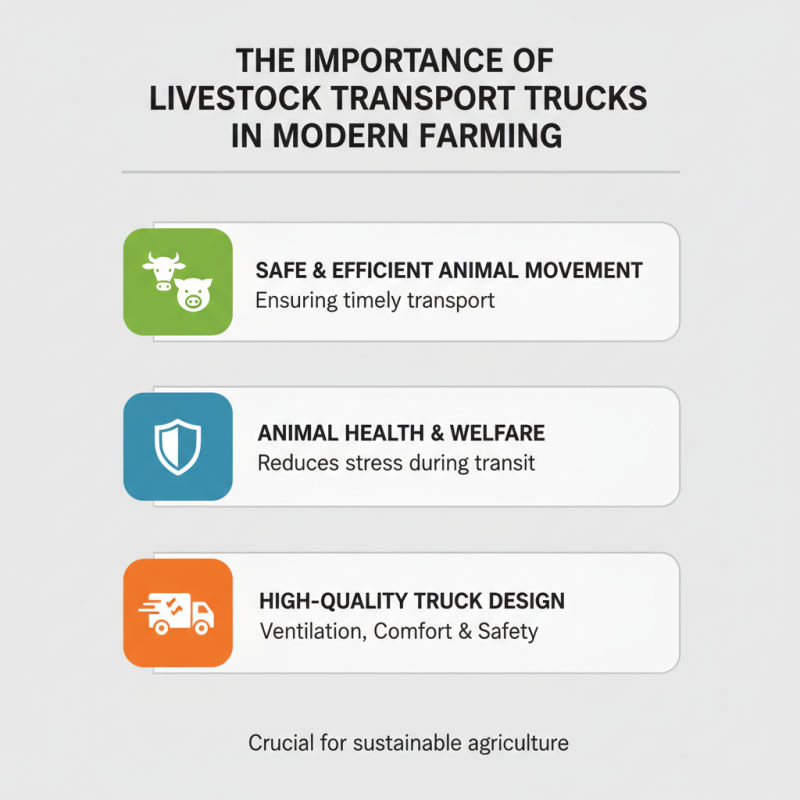
The Importance of Livestock Transport Trucks in Modern Farming
Livestock transport trucks play a crucial role in modern farming. They ensure that animals are moved safely and efficiently from one location to another. This is vital for maintaining animal health and welfare. High-quality trucks are designed with ventilation, comfort, and safety features. These elements help reduce stress for the animals during transportation.
When selecting a truck, consider its size and capacity. A truck that is too small can harm animals by cramming them together. Evaluate the loading and unloading process as well. Ensure it is easy and safe for both animals and handlers. A smooth operation contributes to better overall animal care.
**Tips:** Always check for proper ventilation. Regular maintenance is essential for performance. Consider the route and travel time. This can significantly affect animal well-being. Reflect on past transport experiences to identify areas for improvement. Adjust your practices based on those observations. Keeping animals comfortable during transport leads to healthier livestock in the long run.
Key Features to Look for in 2026 Livestock Transport Trucks
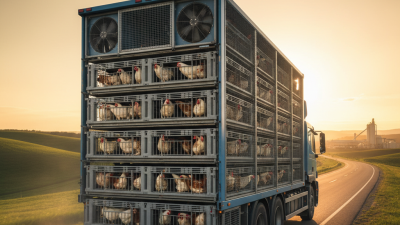
In 2026, livestock transport trucks need to meet evolving industry standards. Key features will determine efficiency and animal welfare. A 2023 industry report indicates that trucks with better ventilation reduce stress for animals. Proper airflow can minimize heat stress, especially in warmer months.
Efficiency is also crucial. According to recent data, trucks that include GPS tracking can improve route optimization. This leads to reduced fuel consumption and shorter travel times. Studies show that optimized routes can save up to 15% in fuel costs. Enhanced fuel efficiency not only reduces expenses but also lowers environmental impacts.
Durability is another important factor. The right materials can withstand wear and tear. Steel frames are common but heavy. Lightweight aluminum options are gaining popularity for their strength and reduced weight. However, they can be more expensive upfront. Farmers must weigh the long-term benefits against initial costs. Proper planning and research into these key features will ensure better livestock transport solutions.
Top Livestock Transport Trucks for Efficient Farming in 2026
This bar chart illustrates key features of livestock transport trucks anticipated in 2026, focusing on payload capacity, fuel efficiency, safety ratings, cost, and comfort features. These metrics are essential for farmers looking to enhance their transportation efficiency.
Top Brands Leading the Livestock Transport Truck Market
The livestock transport truck market is evolving rapidly. In 2026, efficiency is key. Many farms are looking for trucks that can accommodate various types of livestock. Recent studies indicate that the demand for specialized transport vehicles has increased by 15% over the past three years. Farmers want trucks that ensure the safety and comfort of their animals.
Major brands are investing in technology to improve their vehicles. Features like climate control, adjustable flooring, and advanced loading systems are becoming standard. Reports show that trucks with these features reduce stress among animals by 20%. This improvement not only benefits the livestock but also enhances overall productivity. It’s clear that the right truck can make a significant difference in farming efficiency.
However, challenges remain. The cost of acquiring these high-tech trucks can be significant. Many farmers struggle with budgets while trying to adopt new technologies. The gap between large-scale operations and smaller farms may widen. Innovations are critical, but accessibility must also be considered. Balancing cost and efficiency will be vital for the future of livestock transportation.
Technological Innovations Enhancing Livestock Transport Efficiency
In 2026, livestock transport trucks are set to become more advanced due to innovative technologies. These innovations aim to enhance efficiency and improve animal welfare. Newer models feature climate control systems. These systems ensure a stable environment during transport, which is crucial for the animals’ health. Additionally, integrated tracking systems allow for real-time monitoring. Farmers can see where their livestock are at any moment.
However, there are challenges to consider. The implementation of these technologies can be costly. Not all farmers have the financial means to invest. Furthermore, training is necessary for drivers to utilize advanced systems effectively. There is also the concern of relying too heavily on technology. Equipment failures can lead to delays and stress for the animals.
Despite these challenges, the benefits cannot be ignored. Efficient transport leads to better growth rates and lower mortality. Improved truck designs focus on space optimization. This creates a more comfortable environment for the animals. As the industry continues to evolve, balancing technology and practicality will be essential.
Top Livestock Transport Trucks for Efficient Farming in 2026
| Truck Model |
Payload Capacity (kg) |
Fuel Type |
Average Fuel Efficiency (L/100km) |
Innovative Features |
| Model A |
15000 |
Diesel |
12 |
Advanced GPS Tracking |
| Model B |
18000 |
Biofuel |
10 |
Automated Loading System |
| Model C |
20000 |
Electric |
15 |
Real-time Temperature Control |
| Model D |
16000 |
Diesel |
11 |
Smart Safety Features |
| Model E |
17500 |
Hybrid |
9 |
Enhanced Maneuverability |
Best Practices for Maintaining Livestock Transport Vehicles in 2026
Maintaining livestock transport vehicles is crucial for efficient farming in 2026. Poor maintenance can lead to costly breakdowns and stress for animals. Regularly checking tire pressure, brakes, and lights is essential. A report from the Animal Transportation Association states that nearly 30% of livestock injuries occur during transport due to vehicle issues.
Scheduled maintenance should be a priority. Following a detailed checklist helps ensure safe transportation. Inspecting ventilation systems can prevent overheating in trucks. The American Society of Agricultural and Biological Engineers recommends a comprehensive inspection every 6 months. This practice reduces vehicle downtime and enhances animal welfare.
Investing in training for drivers significantly impacts transport efficiency. Reports show that well-trained drivers minimize stress for animals. Understanding how to load and unload properly can reduce injuries. However, many farmers overlook this critical aspect, leading to unintended consequences. Addressing these issues can improve overall transport practices and promote healthier livestock.