Why Fresh Milk Transport Vehicles Are Essential for Modern Dairy Supply Chains?
In today’s dairy supply chain, the role of a Fresh Milk Transport Vehicle is critical. These vehicles ensure the timely delivery of fresh milk from farms to processing facilities. Maintaining milk quality during transport is essential for producers and consumers alike. Without specialized vehicles, milk is susceptible to spoilage.
Moreover, the efficiency of dairy operations heavily relies on these transport vehicles. They are designed to maintain optimal temperatures, preventing bacterial growth. This aspect is vital, yet not always achieved. Some vehicles may lack proper insulation, leading to losses. The integrity of the supply chain depends on reliable technology and practices.
In a world striving for excellence, there remain gaps in execution. Identifying these shortcomings is necessary for future improvements. The focus on Fresh Milk Transport Vehicles should not only be on their current capabilities but also on enhancing their efficiency. Continuous reflection on best practices can lead to a more robust dairy supply chain.
The Role of Fresh Milk in Modern Dairy Supply Chains
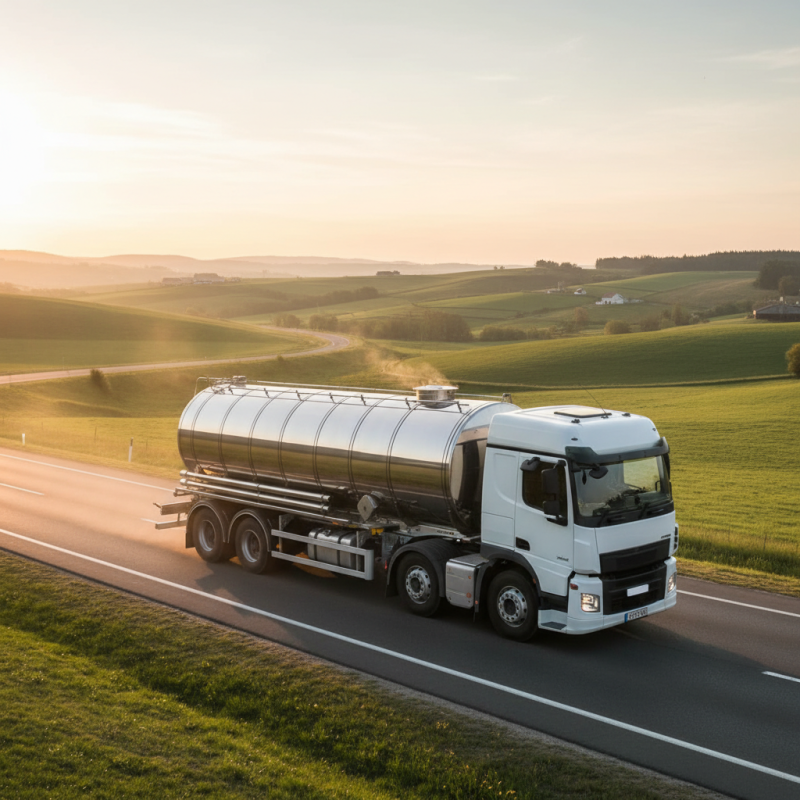
Fresh milk plays a vital role in modern dairy supply chains. It is a key ingredient in many dairy products, from cheese to yogurt. Fresh milk's nutritional value is unmatched, making it a staple in diets worldwide. However, ensuring its availability requires efficient logistics and transport solutions.
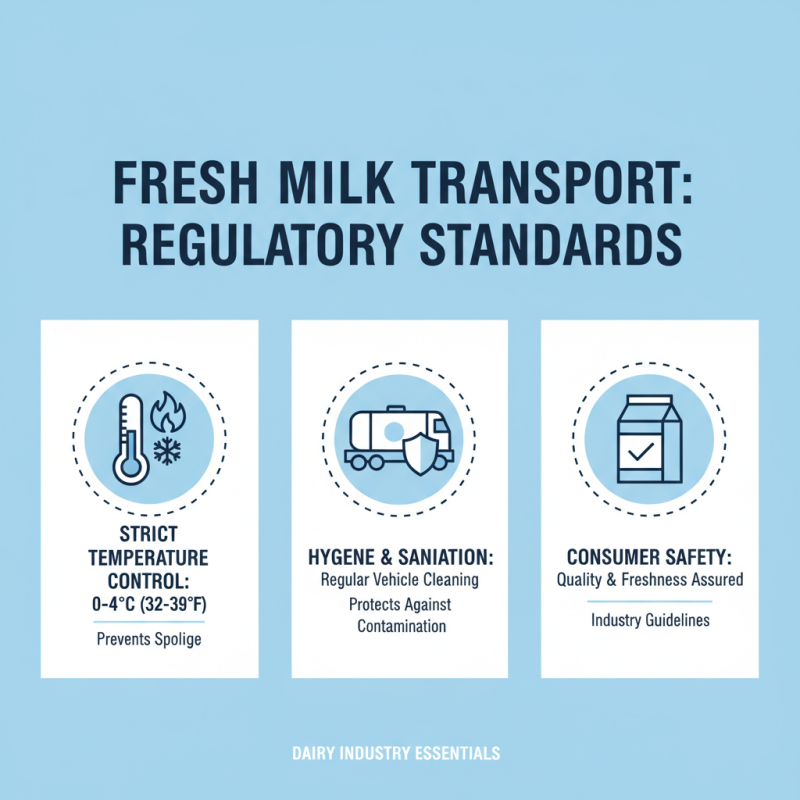
Transport vehicles designed for fresh milk are essential for maintaining quality. These vehicles must be equipped with temperature control systems. Without proper temperature management, milk can spoil rapidly. Ensuring freshness is crucial, especially for regions with long transport times. The integrity of the supply chain depends on timely deliveries.
Challenges exist in the logistics of fresh milk. Some regions lack adequate infrastructure, leading to delays. It's essential for transport vehicles to have robust tracking systems to monitor conditions. Each delay or mishap can impact product quality. Understanding these flaws is vital for improvements in the industry. Efficient transport systems can enhance the overall success of dairy supply chains.
Importance of Fresh Milk Transport Vehicles in Dairy Supply Chains
The chart above illustrates the key attributes of fresh milk transport vehicles crucial for the dairy supply chain. These metrics highlight their efficiency regarding transportation time, temperature control for freshness, delivery coverage area, and volume capacity.
Key Features of Transport Vehicles for Fresh Milk
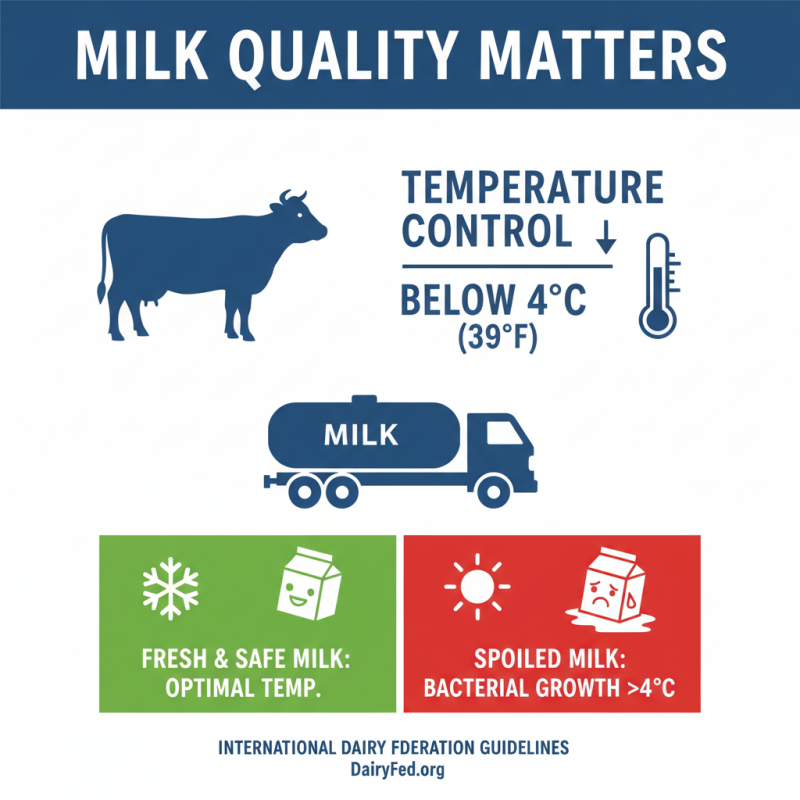
Transport vehicles for fresh milk play a crucial role in modern dairy supply chains. These vehicles must maintain specific temperature controls to ensure milk quality. According to the International Dairy Federation, maintaining temperatures below 4 degrees Celsius during transport helps prevent spoilage. Failure to control temperatures can lead to significant quality issues.
Key features of effective milk transport vehicles include insulation and refrigeration systems. Insulated tanks are essential; they help maintain optimal temperatures during long journeys. Advanced technology, like real-time temperature monitoring, can provide data-driven insights to dairy farmers. This ensures that every drop of milk arrives fresh. However, not all vehicles are equipped with this technology, leading to variances in milk quality.
Moreover, timely deliveries are crucial. The average time from farm to shelf can be as little as 48 hours for fresh milk. Any delay can compromise freshness. A recent industry report notes that 15% of transported milk can be lost due to inefficiencies. This emphasizes the need for better logistics in dairy transport. Investing in modern fleet solutions can reduce losses and improve overall supply chain performance.
Impact of Temperature Control on Milk Quality During Transport
Temperature control during milk transport is crucial for maintaining quality. According to the International Dairy Federation, milk can spoil rapidly if not kept at the right temperature. Ideally, fresh milk should be transported at temperatures below 4°C. Prolonged exposure to higher temperatures can lead to bacterial growth, affecting flavor and safety.
Data shows that about 30% of milk quality is compromised during transport due to inadequate temperature management. This can happen because of poor insulation in transport vehicles or equipment failure. Even a slight temperature fluctuation can result in significant quality degradation. For instance, when milk is transported above 7°C, its shelf life can decrease by nearly 50%.
In an industry striving for high standards, these challenges pose questions. How often do we assess our transport conditions? Are we prioritizing technology that ensures better temperature consistency? Regular monitoring and proactive measures are essential. Investing in better transport solutions is necessary, but so is fostering a culture of quality assurance in every step. The journey from farm to consumer shouldn't compromise the integrity of the product.
Challenges and Innovations in Dairy Transportation Logistics
The transportation of fresh milk faces many challenges. Temperature control is critical. Any fluctuation can spoil milk, impacting quality. Transport vehicles must be well-equipped for insulation. However, achieving this can be expensive and technically complex. Some farmers struggle with these costs. They sometimes opt for cheaper solutions that compromise milk integrity.
Innovations in dairy logistics are emerging. New technologies enhance tracking and monitoring during transport. Sensors can detect temperature changes in real-time. This allows quicker responses to potential issues. Sustainable methods are also gaining traction. Some companies explore electric vehicles to reduce emissions. This shift is not without hurdles. Initial investments are high, and infrastructure is still lacking in many regions.
Training personnel is another hurdle. Drivers must understand the importance of milk safety. Proper handling can be overlooked during busy periods. Ongoing education could bridge this gap. Yet, time constraints make this difficult. Clear communication among all parties is essential. Everyone in the supply chain must be aligned to ensure the highest quality of fresh milk reaches consumers.