Top 10 Essential Poultry Farm Equipment for Optimal Production?
In the world of poultry farming, having the right tools is essential. Poultry Farm Equipment plays a vital role in production efficiency and animal welfare. The right equipment can streamline operations and improve overall health in flocks. Farmers often face challenges in selecting the best equipment suited for their needs.
Understanding various types of poultry farm equipment is key to optimizing production. From feeders to waterers, each piece serves a specific function that contributes to a successful farm. Many producers overlook the importance of regular maintenance. This oversight can lead to inefficiencies that can be costly.
Investing in high-quality equipment comes with its rewards. It can enhance productivity and ensure the well-being of the birds. Selecting the right tools requires research and experience, as every farm has unique needs. Making informed decisions can greatly influence long-term success in the poultry industry.
Key Considerations for Poultry Farm Equipment Selection
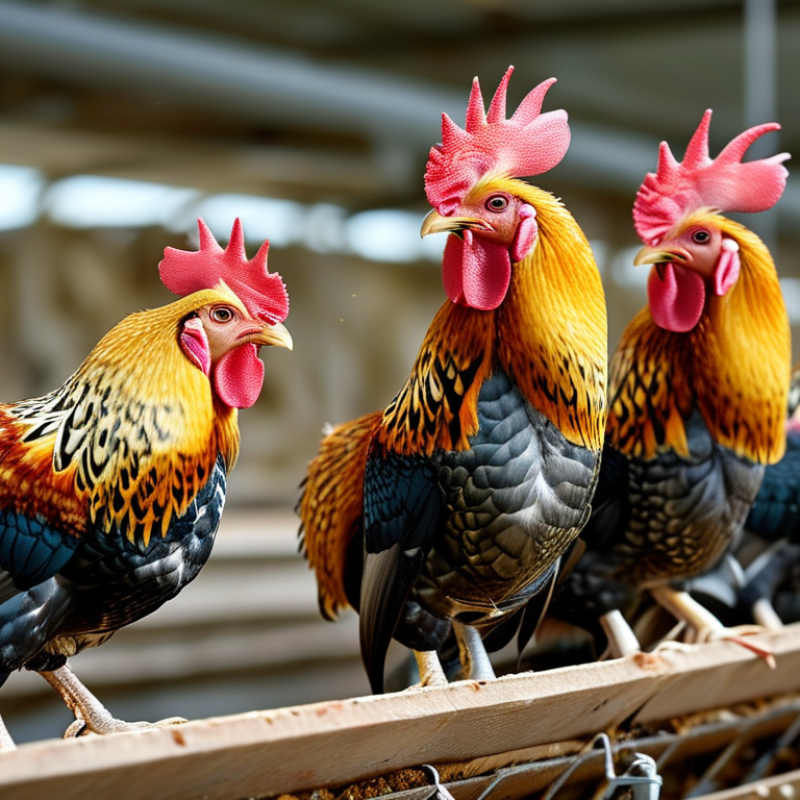
Selecting the right poultry farm equipment is crucial for optimal production. A well-organized operation not only enhances efficiency but also boosts overall productivity. When considering equipment, start by assessing your specific needs. Different poultry operations have unique requirements based on scale and type of poultry raised.
Tip: Evaluate your farm's layout. Equipment should seamlessly integrate into your space. Consider the flow of daily operations, from feeding to waste management. Aim for equipment that minimizes labor while maximizing output.
Durability and maintenance are key aspects as well. Quality equipment lasts longer and requires less frequent repairs. However, not all equipment is created equal. Choosing a cheaper option may result in higher long-term costs. Understand the trade-offs in both quality and price.
Tip: Research and seek advice. Engage with experienced poultry farmers. Utilize their experiences to guide your equipment choices. They often highlight overlooked factors, such as equipment compatibility and service availability. Balancing innovation with reliability can lead to better investment decisions.
Essential Feeding Systems for Optimal Poultry Growth
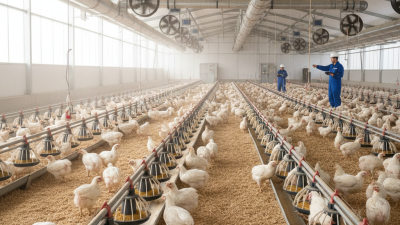
Feeding systems play a pivotal role in poultry farming. Choosing the right one ensures optimal growth and health for your flock. Properly designed feeders minimize waste and promote efficient feeding. This saves money and enhances production levels.
When selecting feeding systems, consider the types of feed used. For instance, pelleted feed requires specific feeder designs to prevent clogging. Different species also have varying needs. Layers and broilers require distinct feeding setups to maximize their growth potential.
**Tips:** Always monitor feed consumption. Sudden drops might indicate health issues. Regularly clean feeders to avoid contamination. Evaluate your system periodically. What works today might not be optimal later. Adjust your equipment based on the flock's changing needs to ensure continued success.
Top 10 Essential Poultry Farm Equipment for Optimal Production
| Equipment |
Purpose |
Key Features |
Estimated Cost (USD) |
| Automatic Feeders |
Efficiently distribute feed |
Programmable settings, adjustable feed flow |
$500 - $1,500 |
| Watering Systems |
Provide fresh water |
Nipple drinkers, automatic filling |
$300 - $800 |
| Brooders |
Heat and shelter for chicks |
Infrared heating, adjustable heights |
$150 - $500 |
| Incubators |
Hatch eggs effectively |
Temperature control, humidity management |
$200 - $2,000 |
| Cage Systems |
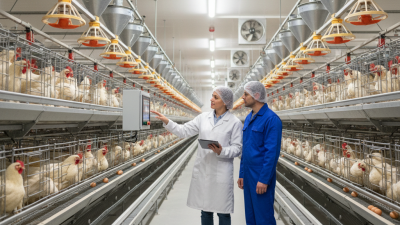
Housing birds for production |
Space-efficient, easy cleaning |
$1,000 - $5,000 |
| Ventilation Systems |
Maintain air quality |
Fans, filters, thermostats |
$500 - $2,000 |
| Egg Handling Equipment |
Collect and process eggs |
Conveyors, trays, packing machines |
$700 - $3,000 |
| Health Monitoring Systems |
Track birds' health |
Wearable tech, sensors |
$400 - $1,200 |
| Manure Management Systems |
Remove waste efficiently |
Scrapers, conveyors |
$600 - $2,500 |
Innovative Watering Solutions to Enhance Poultry Health
Water is a critical component in poultry farming. Innovative watering solutions can significantly enhance poultry health and overall productivity. Automatic waterers ensure that birds have constant access to fresh water. These systems reduce labor and ensure water quality. Clean water promotes better growth rates and feed efficiency.
Additionally, nipple drinkers are becoming popular among poultry farmers. They minimize water wastage and help keep the bedding dry. This contributes to better hygiene and reduces the risk of disease. Regular maintenance, however, is crucial. Blockages can occur, leading to potential health issues for the birds.
Some farmers might still rely on traditional watering methods, which have their drawbacks. Using open troughs can invite contamination. Regular cleaning is often neglected. An innovative approach requires focus on details. Transitioning to modern solutions improves overall farm performance. The quality of water directly influences the flock’s well-being. Investing in efficient watering systems can create a healthier environment for poultry.
Top 10 Essential Poultry Farm Equipment for Optimal Production
This chart represents the importance rating of the top essential poultry farm equipment, highlighting the role of innovative watering solutions in enhancing poultry health. Each piece of equipment plays a crucial role in optimizing production efficiency.
Temperature Control Equipment for Poultry Farm Efficiency
Temperature control is vital for poultry farming. Proper heat management helps maintain bird health and increases production. A well-regulated environment can lead to better feed conversion and weight gain. Birds thrive at specific temperature ranges. Too hot or too cold can stress them, leading to reduced egg production or slower growth.
Insulation and ventilation are crucial in temperature management. Insulation helps maintain consistent temperatures. Ventilation systems ensure fresh air circulation while managing humidity. Poor ventilation can lead to heat stress or increased ammonia levels, harming birds. Farmers must regularly check these systems to ensure they are functioning effectively.
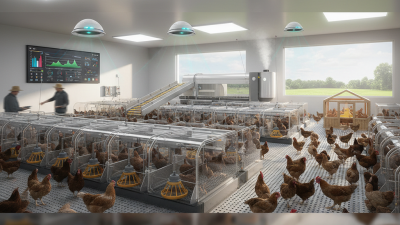
Monitoring technology can also aid in temperature control. Sensors and automated systems provide real-time data on barn conditions. These tools help farmers respond quickly to temperature fluctuations. However, reliance on technology can backfire if it malfunctions. Regular maintenance and human oversight remain essential for achieving optimal production.
Biosecurity Gear to Safeguard Poultry Farm Operations
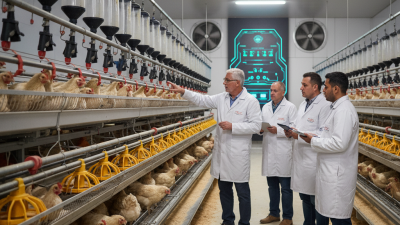
Biosecurity is critical in poultry farming. It prevents diseases that can devastate flocks and hinder production. Essential biosecurity gear includes protective clothing, gloves, boots, and masks. These items serve as barriers against pathogens. Regularly upgrade and maintain this gear for optimal effectiveness.
When selecting biosecurity gear, consider your specific needs. Evaluate the risks involved in your operations. Utilize disposable gloves and masks to reduce contamination risks. Keep a dedicated set of clothing for the farm, minimizing cross-contamination from outside sources.
Training your staff on proper biosecurity protocols enhances safety. Conduct frequent inspections of equipment and facilities for potential risks. Establish a routine for changing into biosecurity gear before entering living areas. Small lapses in these practices can lead to significant outbreaks. Remind everyone that vigilance is key to safeguarding livestock.