Why Feed Transportation Vehicles Are Essential for Modern Agriculture?
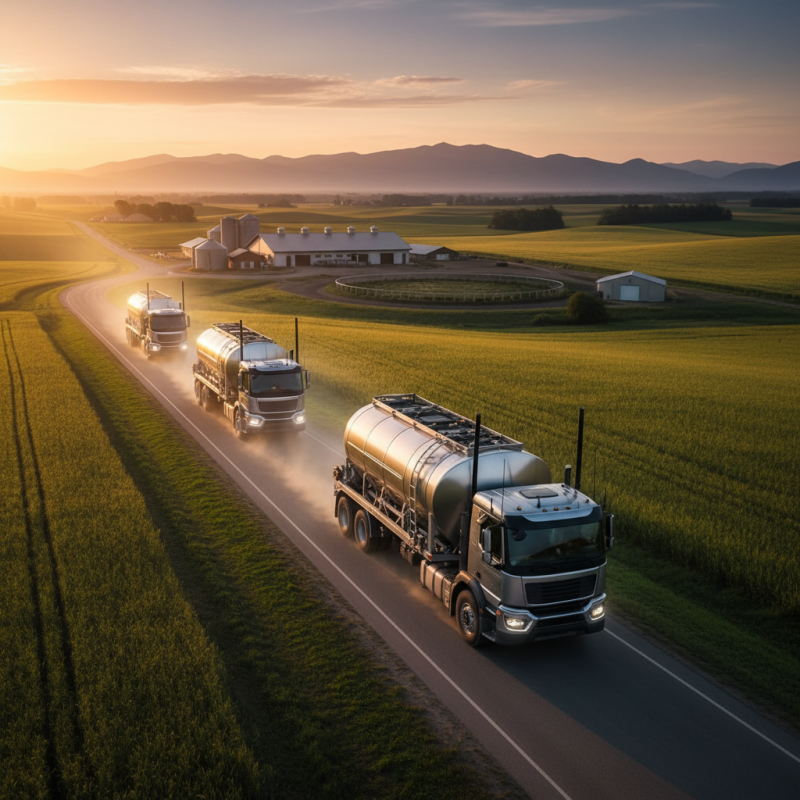
In the realm of modern agriculture, Feed Transportation Vehicles play a vital role. These vehicles ensure that animal feed reaches farms efficiently and swiftly. Without them, delays could hinder livestock productivity. The intersection of advanced technology and transportation has revolutionized this sector.
Farmers rely heavily on timely delivery of feed. A breakdown in logistics can disrupt feeding schedules. This is where the importance of reliable Feed Transportation Vehicles shines. They bridge the gap between suppliers and farmers, ensuring that quality feed is always available.
However, the system isn't perfect. Challenges like route planning and vehicle maintenance persist. Striking a balance between efficiency and cost is crucial. As agriculture continues to evolve, so must the innovations in feed transportation. Addressing these issues can lead to improved outcomes for farmers and livestock alike.
The Role of Feed Transportation Vehicles in Agricultural Supply Chains
Feed transportation vehicles play a crucial role in agricultural supply chains. These vehicles ensure that livestock and poultry receive the necessary nutrition. According to industry reports, over 70% of feed loss occurs during transportation. This staggering figure highlights the importance of efficient logistics. The right vehicles can minimize waste and maximize efficiency.
In addition, proper feed transportation supports the food security agenda. The FAO reports that up to 1.3 billion tons of food is wasted annually. Much of this waste stems from improper or delayed feed delivery. Investing in modern feed transportation can enhance accessibility and reduce losses. Data shows that improving transport logistics can increase overall farm productivity by 15-20%.
However, challenges remain. Many farms still rely on outdated transportation methods. This can result in contamination and spoilage. Vehicles must be adapted to meet specific agricultural needs. The industry must continuously innovate to address these issues. A commitment to modernizing feed transportation can reshape agricultural practices for the better.
Importance of Feed Transportation Vehicles in Agriculture
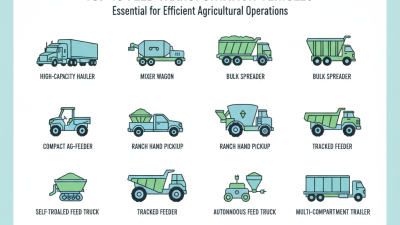
Types of Feed Transportation Vehicles Used in Modern Farming Practices
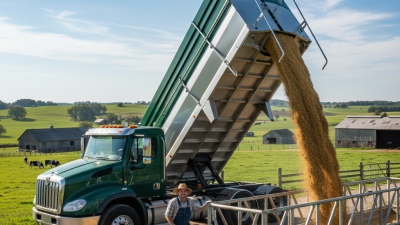
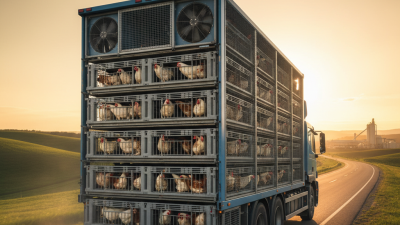
In modern agriculture, different types of feed transportation vehicles play a crucial role. These vehicles ensure that livestock receives quality feed on time. Trailers and feed trucks are commonly used. Trailers offer flexibility, while trucks are designed for efficiency.
According to industry reports, about 70% of farmers utilize specialized feed trucks. These trucks can carry large quantities and navigate various terrains. Efficient feed transport can significantly reduce costs. However, improper loading and weight distribution can lead to accidents. This is an essential aspect for farmers to monitor.
On the other hand, bulk feed transporters are gaining popularity. They provide a means to transport feed in larger volumes. Research shows that they can lower transportation costs by up to 30%. Still, many farmers face challenges with maintenance and operation. Investing in training could resolve these issues. The right mix of vehicles is key for effective feed logistics.
Benefits of Efficient Feed Transportation for Livestock Health and Productivity
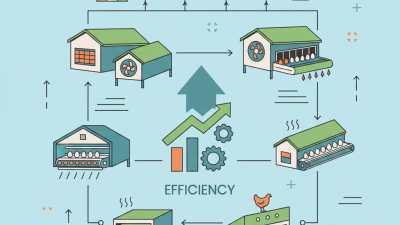
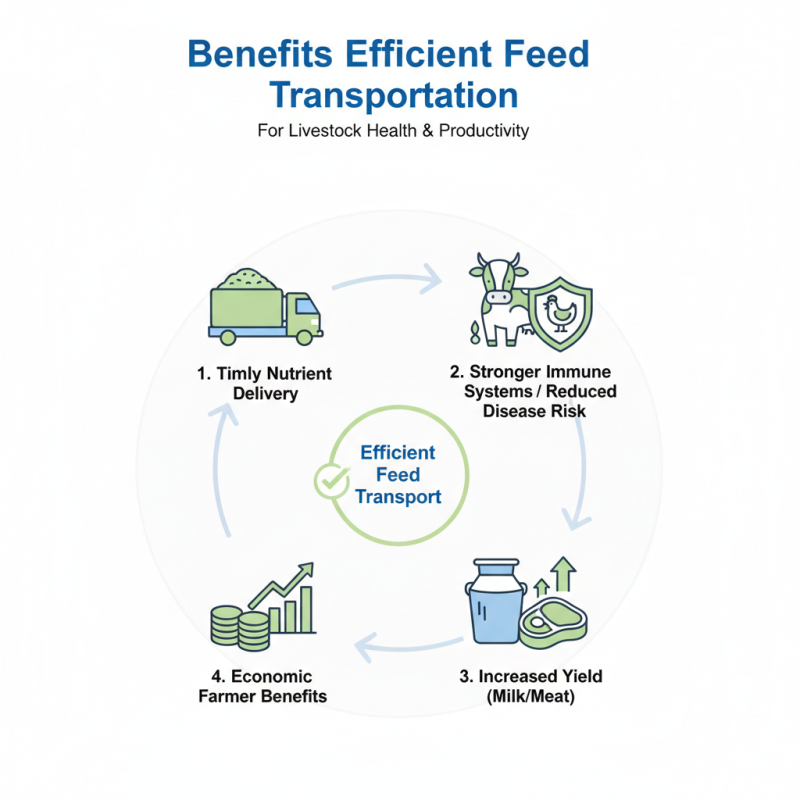
Efficient feed transportation plays a vital role in livestock health and productivity. When feed is delivered quickly and reliably, animals receive the nutrients they need without delay. This timely nutrition helps maintain strong immune systems, reducing the risk of disease. Healthier livestock tend to yield more milk or meat. It’s a cycle that benefits farmers economically.
However, not all transportation systems are flawless. Some vehicles lack proper insulation or temperature control, impacting feed quality. If feed spoils, livestock can suffer. Farmers must regularly check their transportation methods to ensure freshness. Adopting better practices can seem intimidating but is essential for success.
As the agriculture industry evolves, optimizing feed transportation becomes critical. Innovations can improve efficiency but may require initial investments. Striking a balance between cost and innovation is often challenging. Focusing on this aspect can enhance overall animal welfare and ensure sustainable farming practices. Little changes can lead to significant improvements over time.
Technological Innovations in Feed Transportation for Sustainable Agriculture
Technological innovations in feed transportation play a crucial role in modern agriculture.
One significant advancement is the use of GPS tracking systems.
These systems help farmers monitor their vehicles in real-time. This ensures timely deliveries and reduces feed waste.
Additionally, automation technology can optimize routes. These improvements often lead to
lower fuel consumption and decreased carbon footprints.
Electric and hybrid vehicles are also becoming more common in feed transportation. They offer a cleaner alternative compared to traditional fuel-powered trucks.
While the initial cost may be high, the long-term savings on fuel and maintenance are notable.
However, farmers must consider the charging infrastructure available in their area. This can sometimes pose a challenge.
The integration of digital platforms enhances coordination between suppliers and farmers.
Yet, some operators still face difficulties in adapting to these new technologies. Training sessions can help bridge this gap.
Sustainable agriculture relies heavily on efficient feed transportation. As the industry evolves, embracing innovation is essential for success.
Nonetheless, continuous reflection on these methods is crucial for further improvements.
Challenges and Solutions in Feed Transportation for the Agriculture Sector
In modern agriculture, transport vehicles for feed are crucial. They ensure timely delivery of nutrients to livestock. However, challenges abound. For one, the logistics can be complicated. Factors like weather, road conditions, and timing impact efficiency. Delays can lead to feed spoilage, affecting animal health.
Another challenge is the rising cost of fuel. Transport expenses can take a significant toll on farmers. Many struggle to keep up with these costs. Additionally, regulatory factors can cause issues. Compliance with transport regulations often requires time and effort, diverting resources from core farming activities.
Solutions exist, but they require innovation. Improved tracking technology can streamline logistics. Efficient routes can minimize delays. Alternative fuel options may also help reduce costs. Still, not all farmers can invest in new tech. The gap between large and small operators may widen. Addressing these issues is essential for the future of agriculture.
Why Feed Transportation Vehicles Are Essential for Modern Agriculture? - Challenges and Solutions in Feed Transportation for the Agriculture Sector
| Dimension |
Challenges |
Solutions |
Impact on Agriculture |
| Fuel Efficiency |
High fuel consumption leading to increased costs. |
Investing in more fuel-efficient vehicles and optimizing routes. |
Reduces operational costs and carbon footprint. |
| Regulatory Compliance |
Stringent environmental regulations affecting transport. |
Adoption of compliant technologies and training drivers. |
Ensures sustainability and avoids penalties. |
| Logistical Coordination |
Challenges in timely delivery due to scheduling issues. |
Use of logistics software for better scheduling and tracking. |
Improved supply chain efficiency and product freshness. |
| Vehicle Maintenance |
Costly breakdowns and maintenance affecting transport timelines. |
Regular maintenance schedules and training for operators. |
Enhances reliability of transportation fleet. |
| Safety Standards |
Risks of accidents and spoilage during transit. |
Implementing safety training and better vehicle safety features. |
Reduces liability and protects products during transport. |