Top Live Poultry Transport Vehicles for Efficient and Safe Transportation?
The transportation of live poultry is a critical component of the agricultural supply chain. As reported by the National Poultry Industry Association, nearly 80% of poultry production costs are associated with transportation. With an increasing focus on animal welfare, efficiency, and safety, the design and functionality of Live Poultry Transport Vehicles have gained significant importance in the industry.
Dr. Alan McDonald, a leading expert in poultry logistics, states, "Effective transport vehicles are key to maintaining poultry health and minimizing stress." This highlights the pressing need for vehicles that not only comply with regulations but also ensure the well-being of the animals. Many vehicles currently in use fall short of ideal standards, leading to potential risks during transit.
Recent studies indicate that poorly designed transport methods can result in stress levels exceeding 30% among birds. This points to a systemic issue within the industry. Manufacturers are continuously urged to innovate solutions that prioritize humane treatment and transport efficiency. The challenge remains to balance cost-effectiveness with the ethical responsibility of livestock care.
Key Features of Live Poultry Transport Vehicles for Safety
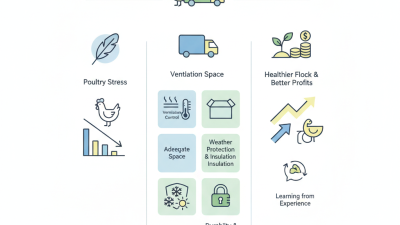
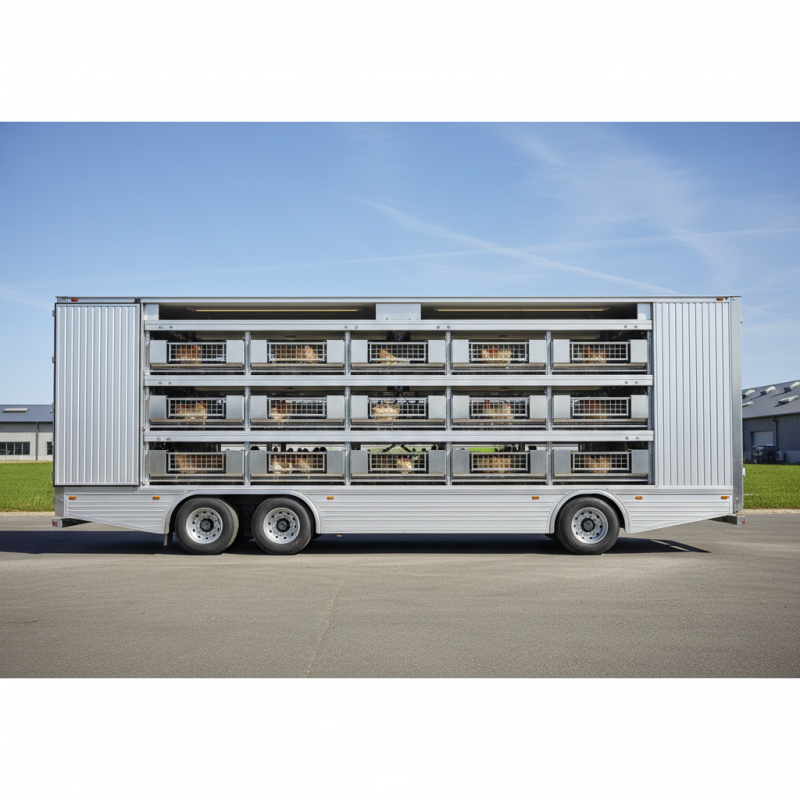
Transporting live poultry requires specialized vehicles designed for safety and efficiency. These vehicles must prioritize the welfare of the birds throughout the journey. One critical feature is proper ventilation. Adequate airflow keeps the birds cool and reduces stress. Without it, animals can suffer from heat stress.
Another essential aspect is secure enclosures. These enclosures prevent the birds from shifting during transport. This stability minimizes injuries and keeps the birds calm. A durable design often includes non-slip flooring. This helps maintain safety, especially during sudden stops or turns. However, many vehicles lack sufficient cushioning, a flaw that can lead to discomfort.
Additionally, monitoring systems play a vital role. Temperature and humidity sensors help ensure optimal conditions. Yet, many drivers overlook regular system checks. This negligence can lead to potential problems. The vehicle's design should also allow easy access for loading and unloading. Complicated designs can stress both workers and birds. Investing in appropriate features ensures efficient and humane transport.
Types of Live Poultry Transport Vehicles and Their Applications
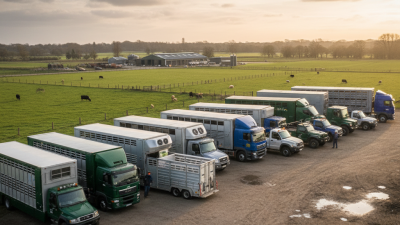
When it comes to live poultry transport vehicles, various types cater to specific needs.
Open trucks are commonly used due to their ease of loading and unloading. However, they expose birds to the elements.
Research shows that exposure to cold or heat can increase stress in poultry by up to 30%.
Enclosed trailers are another popular choice. These vehicles protect the birds from weather, ensuring safer transport.
For large-scale operations, modular transport units are gaining traction. These units allow farmers to load, transport, and unload multiple flocks efficiently.
A recent industry report indicated that using modular systems can reduce transport time by 25%.
However, the initial investment might seem high, which raises concerns for smaller producers.
Well-designed ventilation systems are critical for all types of vehicles. Poor air circulation can lead to health risks for the birds.
Studies reveal that up to 15% of poultry can suffer from respiratory issues during transport.
Therefore, buying proper ventilation should not be overlooked. Each design choice impacts animal welfare significantly, making reflection on existing transport methods essential for improvement.
Best Practices for Loading and Unloading Live Poultry Safely
Loading and unloading live poultry is a critical process that greatly impacts their welfare. A recent report from the Animal Welfare Institute highlights that improper handling can lead to stress, injury, and even mortality rates rising to 10% in transport scenarios. This emphasizes the importance of best practices during these operations.
When loading, the vehicle should be calm and quiet. Birds can sense stress. It’s essential to use low-light conditions to help them stay relaxed. Using appropriate equipment, such as gently sloping ramps, minimizes the risk of falls. Each flock should be loaded quickly but carefully to reduce overall stress levels. Unloading must also be done with care. Birds should never be thrown or dropped. It’s worth noting that many handlers still lack adequate training. This can lead to common mistakes that could easily be avoided.
Studies show that about 30% of poultry are mishandled during these critical phases. Implementing better training and clearer guidelines could greatly reduce this number. Reflecting on operational procedures can reveal gaps in knowledge. Continuous improvement is necessary to ensure safe transportation for all live poultry.
Top Live Poultry Transport Vehicles Usage Efficiency
Regulatory Standards for Live Poultry Transportation Vehicles
Regulatory standards for live poultry transportation vehicles are essential to ensure animal welfare and safety. Regulations often dictate vehicle design, ventilation, and loading capacity. Adequate ventilation helps maintain temperature and air quality during transit. Insufficient airflow can lead to stress or health issues in transported birds.
Different regions have unique guidelines. Some require vehicles to be equipped with non-slip flooring. This reduces the risk of injury and enhances comfort. Moreover, the size and number of compartments in a vehicle can impact the overall effectiveness of transport. Overcrowding should be avoided, as it can lead to suffocation or trauma.
Attention to detail matters. Regular inspections and maintenance of vehicles are critical. Even minor issues like a malfunctioning door can pose significant risks. Adhering strictly to regulations not only keeps the birds safe but also fosters trust in the transportation process. It’s essential to regularly revisit and evaluate these standards to ensure ongoing improvement and compliance.
Top Live Poultry Transport Vehicles for Efficient and Safe Transportation
| Vehicle Type |
Capacity (Birds) |
Temperature Control |
Ventilation System |
Regulatory Compliance |
| Truck |
4000 |
Yes |
Automatic |
USDA Standards |
| Trailer |
3000 |
Yes |
Manual |
EU Regulations |
| Container |
2000 |
Yes |
Natural Airflow |
FDA Requirements |
| Vans |
1500 |
No |
Basic |
Local Guidelines |
Innovations in Live Poultry Transport for Improved Efficiency
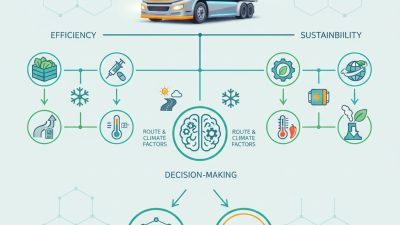
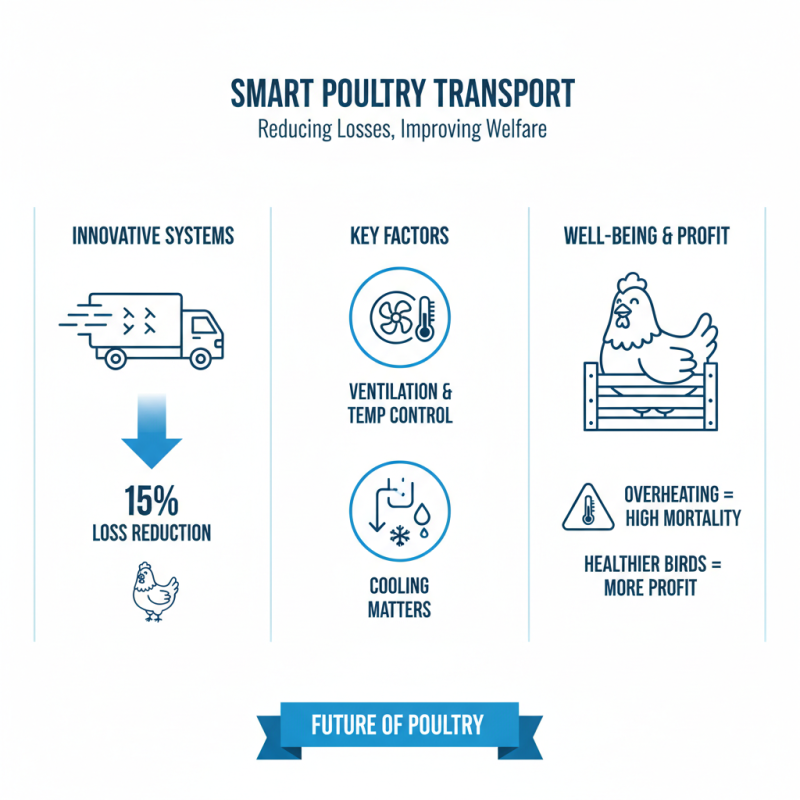
Innovations in live poultry transport are transforming the industry. Recent studies indicate that efficient transportation systems can reduce losses by 15%. Proper ventilation and temperature control are crucial for the well-being of the birds. Overheating is a serious concern. It can lead to higher mortality rates during transit.
Mobile technology is also playing a key role. Real-time tracking systems monitor transportation conditions. They provide data on temperature and humidity. This information helps to enhance accountability. However, adopting these technologies can be costly. Many smaller operators struggle to implement such advanced solutions.
Additionally, the design of poultry transport vehicles is evolving. Features like adjustable compartments ensure birds are not overcrowded. Research shows that overcrowding can increase stress levels, affecting meat quality. Despite these advancements, disparities in infrastructure still exist. Not all regions have access to high-quality transport options. As a result, some poultry still face challenges during transit.