How to Choose the Best Poultry Farm Equipment for Your Needs?
Choosing the right poultry farm equipment is crucial for success in poultry farming. With the right tools, farmers can enhance productivity and ensure the well-being of their birds. Many options are available, making it challenging to identify what best suits your needs.
Understanding the specific requirements of your farm is essential. Factors like the size of your operation and the type of poultry you raise can influence your choices. For example, broilers may require different equipment compared to layers. Assessing quality is key. It’s not just about price; reliability and durability matter.
Investing in poultry farm equipment is a long-term commitment. Poor equipment choices can lead to inefficiencies. It’s vital to research and consult experts in the field. Don’t hesitate to seek advice from experienced farmers. Their insights may highlight areas you hadn’t considered. Balancing cost and functionality requires careful thought. This complexity in decisions makes finding the perfect fit challenging.
Understanding Your Poultry Farming Requirements
Choosing the right poultry farm equipment starts with understanding your specific needs. Different farms require different approaches based on size, type of poultry, and production goals. According to a report by the Food and Agriculture Organization (FAO), global poultry production is expected to reach over 400 million tons by 2025, emphasizing the need for efficient equipment.
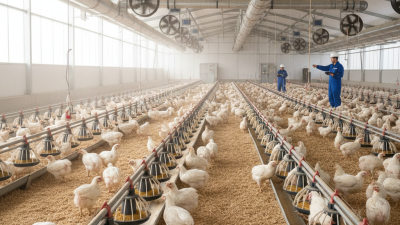
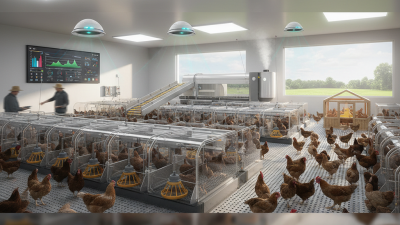
When evaluating your requirements, consider factors like the scale of your operation. Small farms often need basic tools, while larger enterprises may require advanced technology for efficiency. For instance, a small-scale farmer might only need feeders and drinkers, while a larger farm would invest in automated feeding systems.
**Tip:** Assess your farm's layout. This can guide equipment placement. Also, sometimes equipment appears robust but fails under real conditions. Evaluate durability and reliability based on peer recommendations.
Poultry health is paramount. Choose equipment that promotes hygiene to prevent disease outbreaks. A report from the World Health Organization shows that proper sanitation can reduce disease by up to 30%.
**Tip:** Regular maintenance of equipment is essential. Look for indications of wear and tear. Ignoring small issues can lead to major setbacks. You can't predict everything, but awareness is key.
Evaluating Different Types of Poultry Farm Equipment
When evaluating poultry farm equipment, consider your specific needs. The type of poultry you raise plays a crucial role. Broilers, layers, and turkeys each have unique requirements. Selecting the wrong equipment can hinder growth and productivity. Take the time to assess your flock size and overall goals.
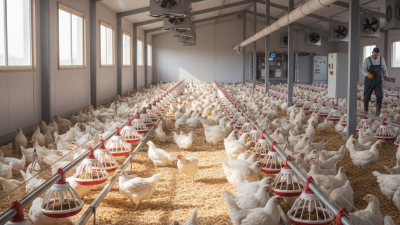
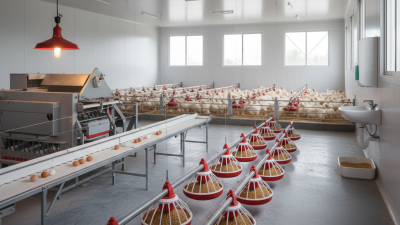
Various types of equipment are available, from feeders to waterers and housing systems. Automatic feeders can save time and ensure consistent access to food. However, they might not suit smaller operations. Manual feeding may foster better flock interaction, but requires more labor. Watering solutions also vary; some systems may become clogged easily, while others offer easy maintenance.
Climate control is another essential factor. Equipment that provides proper ventilation or heating can significantly affect bird health. Underestimating ventilation can lead to serious health issues in flocks. Reflect on your local climate and possible challenges. Additionally, consider the long-term costs of equipment. Cheaper options may save money upfront but could lead to higher maintenance costs down the line. Ensure you invest wisely in equipment that fits your farm's vision.
Comparative Analysis of Poultry Farm Equipment
Assessing Quality and Durability of Equipment Options
When selecting poultry farm equipment, quality and durability are paramount. A report from the Poultry Science Association highlights that approximately 70% of farm owners experience equipment failure within the first few years. Thus, evaluating options based on materials and construction is vital. Steel frames often outlast plastic alternatives, offering better resistance to wear and tear.
Look for equipment with a proven track record. Industry studies indicate that gear made with high-grade stainless steel can reduce maintenance costs by up to 30%. Inspect welding and manufacturing processes closely. Poor welding quality may lead to premature breakdowns. Many farmers overlook this aspect, which can result in significant long-term expenses.
Moreover, consider the warranty and support offered by manufacturers. A robust warranty indicates confidence in product durability. Reviews from agricultural experts often reveal that products with warranties longer than five years tend to perform better over time. Do not rush this decision; prioritizing quality could lead to improved productivity in the long run. Investing in durable solutions can mean the difference between operational success and frequent equipment losses.
Analyzing Costs and Budget for Equipment Acquisition
When analyzing costs for poultry farm equipment, it's crucial to consider both initial investments and long-term operational expenses. According to a report from the Agricultural Equipment Manufacturers Association, the average cost of poultry equipment can range from $20,000 to over $100,000. This broad range reflects different scales of operation, types of equipment, and levels of automation.
Tips: Research your specific needs and calculate potential returns on investment. Start with basic equipment if you're a new farmer. As operations grow, you can upgrade.
Another aspect to consider is maintenance costs. Equipment must be serviced regularly to ensure optimal performance. Unplanned breakdowns can lead to significant financial losses. A study by the USDA highlights that maintenance costs can account for up to 15% of total equipment expenses.
Tips: Keep an ongoing budget for maintenance. Invest in durable equipment to minimize future costs. Remember, cutting corners on quality may save money upfront but could be costly later.
In summary, while initial equipment costs are vital, ongoing costs and efficiency implications significantly affect your decision. Assess the long-term impact on your poultry farm's profitability.
Researching Supplier Reputation and Support Services
When selecting poultry farm equipment, understanding your supplier's reputation is crucial. A reliable supplier should offer high-quality products and robust support services. Begin by looking at customer reviews and testimonials. This information reveals the experiences of other farmers. Pay attention to how suppliers respond to complaints and issues. Support is vital for equipment maintenance and troubleshooting.
Consider the history of the supplier. Longevity in the industry often signals stability and trustworthiness. However, don’t blindly follow reputation. Conduct your own research into the equipment they offer. Check if it meets your specific requirements for efficiency and productivity. It's important not to overlook small details in product specifications. A small feature can greatly influence overall performance.
Engaging with the supplier can also provide insights. Effective communication is a sign of good support. Ask about warranties and after-sales service. Reflect on the supplier's willingness to assist you beyond the point of sale. Make sure they provide adequate training and resources. You want a partner who invests in your success, not just a transaction.