Choosing China’s best Fresh Food Transport Vehicle manufacturer requires more than comparing prices or polished factory photos. Fresh food may travel through heat, rain, traffic, and long loading delays. A reliable vehicle must protect temperature, hygiene, product quality, and delivery timing throughout that journey.
The right manufacturer understands real transport conditions. Insulated panels should reduce heat transfer. Refrigeration systems should match the cargo volume and route length. Door seals must remain tight after repeated loading. A practical evaluation should examine cooling performance, temperature records, chassis quality, interior materials, and after-sales support. Ask for test reports, production details, customer references, and clear warranty terms. Standards and certificates matter, but they should support real evidence rather than replace it.
Small details reveal experience. A well-designed floor should resist moisture and allow easy cleaning. Interior lighting can help workers inspect crates without delaying deliveries. Remote temperature monitoring may identify problems before produce reaches the customer. Service access also matters when a vehicle operates far from the factory.
No supplier is perfect. Marketing claims can sound convincing, yet actual performance depends on payload, climate, driving habits, and maintenance. Buyers should compare several manufacturers and inspect completed vehicles when possible. A careful decision balances engineering capability, manufacturing consistency, delivery support, and total operating cost. The strongest partner is not always the cheapest. It is the manufacturer that communicates clearly, documents its promises, and keeps improving when field experience exposes weaknesses.
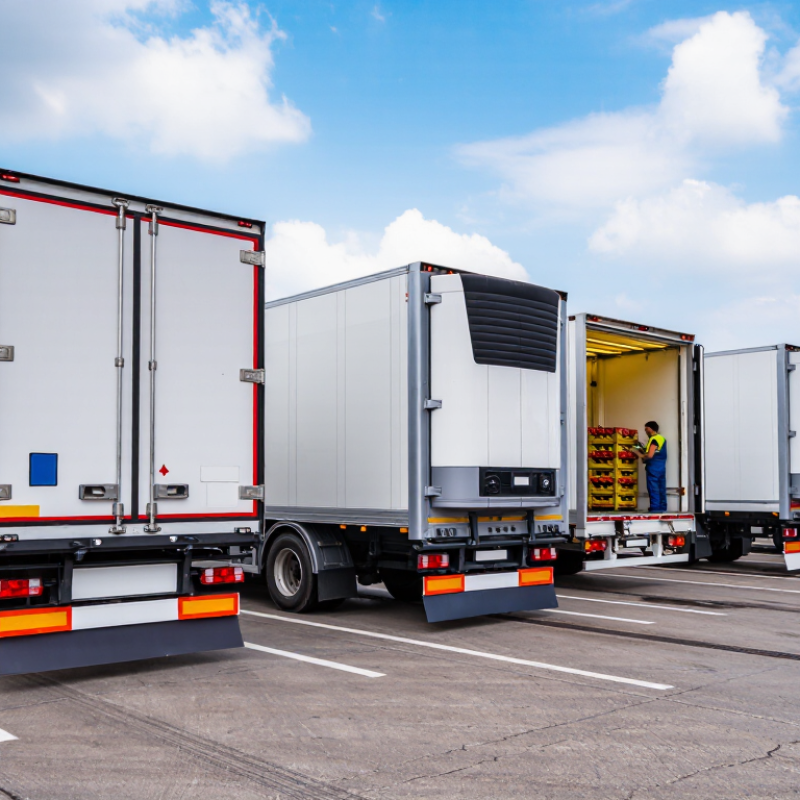
A fresh food transport vehicle is designed to move perishable food while helping maintain suitable conditions during a journey. It may use an insulated cargo body, a refrigeration unit, or both. The right setup depends on the food being carried, the route, and how long the trip takes. Chilled vegetables, dairy products, and frozen goods do not all need identical handling. That matters.
Inside the vehicle, steady airflow helps reduce warm spots. Drivers and operators may check temperature readings before loading and during transit. Clean shelves, intact door seals, and careful loading also make a difference. A crate pushed against an air outlet can disrupt circulation. Small gaps count. Opening the doors repeatedly can let warm air in, even on a short delivery run. A cold display can look reassuring, but appearance alone proves little. Sensors need sensible placement, and readings should be checked rather than simply trusted. No vehicle removes every risk; delays, poor loading, or a failing unit can still affect food quality. In practice, good transport depends on both suitable equipment and consistent handling.
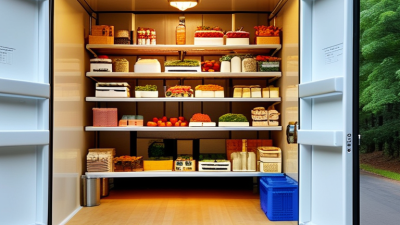
Reliable fresh-food vehicles need stable temperature control, cleanable interiors, and well-planned airflow. Good insulation helps reduce refrigeration strain during hot loading periods. The cooling system should suit the cargo, route length, door-opening frequency, and outdoor temperature. Produce, dairy, and meat do not share one ideal setpoint. Small details matter. Check door seals, floor drainage, washable wall joints, and calibrated sensors before dispatch.
FAO’s 2019 State of Food and Agriculture estimated that about 14% of food is lost between harvest and retail. This figure is not limited to transport, but it highlights the value of a dependable cold chain. A dashboard reading alone may not tell the whole story. Sensors need sensible placement, and temperature records should be checked. Tightly stacked cartons can block airflow and create warm pockets near the doors. Driver loading habits matter, too. Test the vehicle with a realistic load, not only when empty. No setup is perfect; a worn seal can undermine careful planning.
Tips: Pre-cool the compartment, leave gaps for airflow, and record temperatures at loading and arrival. Inspect seals regularly. If readings drift, investigate before the next trip.
China Best Fresh Food Transport Vehicle Manufacturer?
Types of Fresh Food Transport Vehicles in China
Fresh food transport vehicles in China are designed for different cargo temperatures and delivery distances. Refrigerated vans suit milk, meat, seafood, and frozen products. Their insulated bodies reduce heat transfer during city deliveries. Smaller models can enter narrow markets and residential streets more easily.
Insulated vans work well for vegetables, fruit, bakery goods, and short routes. They do not actively cool the cargo, so loading speed matters. Refrigerated trucks provide stronger temperature control for longer journeys. Multi-temperature vehicles divide the cargo area into separate zones. One section may carry chilled vegetables, while another holds frozen seafood. This flexibility can reduce empty return trips.
Some operators choose electric refrigerated vehicles for urban routes. They can lower local noise and suit frequent stop-and-go deliveries. However, battery range may drop with heavy cooling loads or winter heating needs. This point deserves careful testing. A vehicle should match the cargo volume, route length, loading frequency, and local climate.
From practical inspections, door seals, drainage, floor strength, and temperature records deserve close attention. A clean, washable interior supports safer handling. Proper airflow also matters. Overloading the front section can create warm spots near the rear doors. No vehicle is perfect. Even advanced equipment can fail when drivers leave doors open too long. Reliable suppliers should explain insulation thickness, cooling performance, maintenance access, and testing methods clearly.
Typical Temperature Ranges for Fresh-Food Transport Vehicles in China
Chilled and produce vehicles are used for temperature-sensitive fresh goods, while frozen-food vehicles maintain sub-zero cargo conditions. The ranges shown are typical cargo targets; actual requirements vary by product and applicable standards.
How to Evaluate a Chinese Fresh Food Transport Vehicle Manufacturer
China’s fresh-food transport market rewards manufacturers that control temperature, not just production cost. The FAO’s State of Food and Agriculture 2019 estimates that 14% of food is lost between harvest and wholesale. This makes insulation, refrigeration stability, and after-sales response commercial priorities. A reliable evaluation should examine factory records, testing procedures, and real delivery data.
Ask for temperature-mapping reports from loaded vehicles, not empty-box demonstrations. Check whether tests cover door openings, summer heat, and overnight parking. The vehicle should meet applicable Chinese requirements, including GB 29753-2013 for refrigerated road transport vehicles. Request compressor performance data, insulation thickness, cooling recovery time, and battery-load results. A manufacturer that shares raw records appears more credible than one offering only polished brochures. Small details matter.
Visit the assembly line if possible. Inspect panel joints, drain design, wiring protection, and cleaning access. Speak with fleet operators about breakdown frequency and spare-part availability. The 2023 World Bank Logistics Performance Index shows that logistics reliability depends heavily on timeliness and service quality, not infrastructure alone. A weakness remains: some suppliers provide excellent prototypes but inconsistent batch production. I would therefore compare at least three vehicles under identical operating conditions, record fuel use, and review warranty exclusions carefully. A low purchase price can become expensive when one failed cooling cycle damages a full load.
China Best Fresh Food Transport Vehicle Manufacturer?
Applications, Standards, and Purchasing Considerations
Fresh food transport vehicles serve farms, markets, restaurants, and regional distribution centers. Each application needs a different body size and cooling strategy. Leafy vegetables require steady airflow and gentle stacking. Frozen meat needs stronger insulation and lower temperatures. Seafood often demands corrosion-resistant flooring and easy drainage.
In practical loading tests, temperature stability matters more than a powerful cooling unit. A crowded cargo box can block air circulation. Door openings can also create warm zones within minutes. Reliable vehicles should include calibrated temperature displays, insulated panels, washable interiors, and non-slip floors. Small details matter. They reduce handling risks.
Purchasers should verify road certification, electrical safety, refrigeration performance, and food-contact material requirements. Local regulations may differ between provinces and export markets. Ask for test records, maintenance procedures, warranty conditions, and spare-part availability. Check the vehicle after a full-day route, not only inside a showroom. A specification sheet can hide weak hinges or poor sealing. No vehicle is perfect. Fuel use, payload, cooling recovery, and service access may require compromise. A careful buyer should compare total operating cost, not only the purchase price. Temperature records from real deliveries provide stronger evidence than attractive brochures.
| Evaluation Area | Application and Typical Data | Standards and Operating Requirements | What to Check When Purchasing |
|---|---|---|---|
| Fresh produce | Used for fruit, vegetables, and other produce. Many chilled loads are carried above freezing; the correct set point varies by commodity, maturity, packaging, and journey time. | Follow product-specific storage guidance and applicable food cold-chain hygiene requirements. Do not assume one temperature suits every type of produce. | Check airflow paths, adjustable temperature control, drainage, cleanable interior surfaces, and whether the body dimensions suit the intended crates or pallets. |
| Chilled meat and seafood | Used for temperature-controlled distribution of chilled meat, fish, and seafood. Required conditions depend on the product, processing state, and applicable food-safety rules. | GB 31605-2020, National Food Safety Standard — Code of Hygienic Practice for Food Cold Chain Logistics, is relevant to cold-chain handling. Product-specific requirements still apply. | Verify temperature monitoring, interior hygiene and corrosion resistance, door sealing, loading practices, and procedures for cleaning between different cargoes. |
| Frozen food | Used for frozen products that must remain frozen during transport. A commonly specified frozen-food storage condition is −18°C or colder, but the product label and applicable rules take precedence. | Confirm that the refrigeration system, insulated body, and monitoring arrangements are suitable for the required set point and route conditions. | Request evidence of performance under stated ambient conditions and loading assumptions. Check pre-cooling guidance, defrost operation, insulation construction, and service support. |
| Vehicle configuration | Options commonly include insulated vans, refrigerated box trucks, and larger refrigerated trucks. Payload and usable cargo volume depend on the chassis, body, refrigeration equipment, and vehicle configuration. | Check compliance with applicable Chinese vehicle safety, dimensions, axle-load, and registration requirements, including the current applicable editions of GB 7258 and GB 1589. | Compare certified vehicle specifications with the intended route, legal payload, loading equipment, access restrictions, and expected daily mileage. |
| Refrigeration performance | Cooling capacity needs depend on cargo temperature, ambient temperature, door openings, body insulation, cargo volume, and loading condition. | Where applicable to the vehicle and procurement specification, check the current status and scope of GB 29753-2013 for road-transport refrigerated vehicles. | Ask for test records and clearly stated test conditions. Confirm the refrigeration unit’s operating range, power source, temperature recording, alarms, and maintenance intervals. |
| Body and insulation | Insulated bodies help limit heat transfer; doors, joints, floor construction, and penetrations can affect overall thermal performance. | The complete vehicle must meet applicable vehicle and food-transport requirements. A material specification alone does not establish whole-vehicle performance. | Inspect panel joints, door seals, floor strength, internal finish, repairability, and documented insulation or thermal-test results. |
| Manufacturer assessment | A suitable supplier should be able to match the vehicle, body, and refrigeration system to the cargo, route, payload, and operating schedule. | Request the applicable conformity, registration, and test documentation for the exact vehicle configuration. Confirm that documents are current and verifiable. | Compare warranty coverage, spare-parts availability, technician coverage, delivery lead time, after-sales response, and total cost of ownership—not purchase price alone. |
Note: Temperature figures are general purchasing references, not universal legal limits. Confirm product-specific requirements, current standards, vehicle approvals, and local operating rules before purchase.