Leave Your Message

China Top 10 Live Poultry Transport Vehicle Innovations and Trends?

The live poultry transport vehicle industry in China is undergoing significant transformation. Innovations are emerging rapidly. These advancements reflect changing needs in poultry logistics.

Key trends include improved designs for safety and comfort. Enhanced ventilation systems are becoming standard. Manufacturers aim to protect the health of live poultry during transport. Furthermore, the use of sustainable materials is rising. This shift reflects a growing awareness of environmental impact. Yet, challenges remain. Some vehicles still fall short on energy efficiency.

As the market evolves, it is essential to consider practicality. Not all innovations translate to better performance. Vehicles often struggle to meet regulatory demands. The balance between innovation and compliance requires careful examination. Addressing these issues is critical for the future of live poultry transport vehicles.
China Top 10 Live Poultry Transport Vehicle Innovations and Trends?

Innovative Design Features in Live Poultry Transport Vehicles

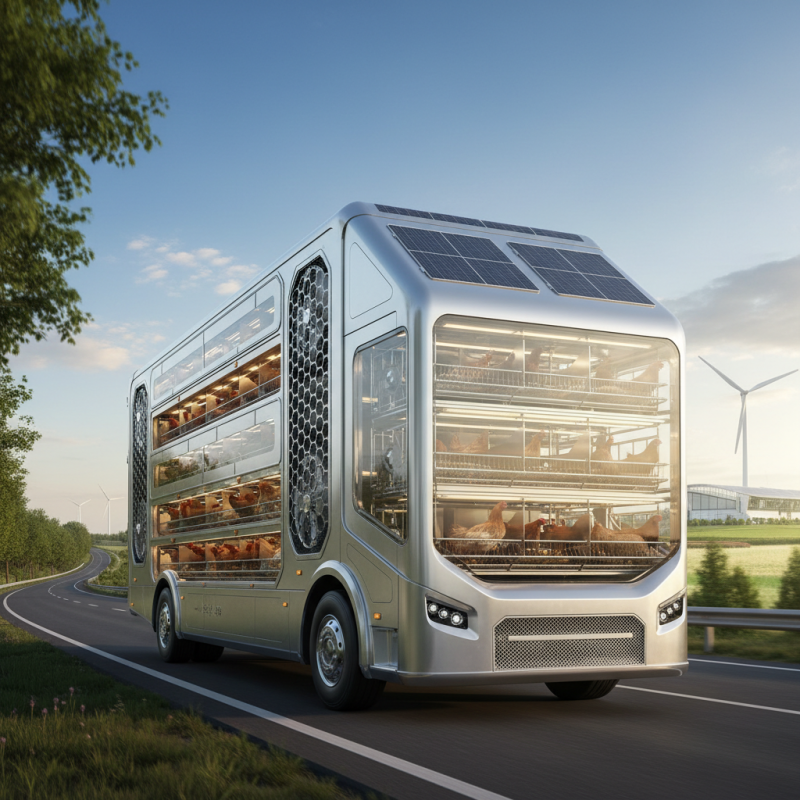
The design of live poultry transport vehicles has seen several innovative features in recent years. Improved ventilation systems are vital. These systems reduce stress levels in birds. Proper airflow can ensure birds remain calm. Ventilation also helps in temperature control, vital for long journeys.

Another trend is the integration of lightweight materials. They contribute to better fuel efficiency. This reduces the overall carbon footprint of transportation. Additionally, enhanced insulation in the vehicles offers better protection for the birds against harsh weather.

Despite these advancements, challenges remain. Some designs may not meet all safety regulations. Observing the quality of animal welfare during transport is crucial. Continuing to innovate while addressing these gaps is essential for the industry. We must cultivate a balance between efficiency and ethical considerations.
Sustainable Materials and Technologies in Poultry Transportation

The transportation of live poultry is evolving. Sustainable materials play a crucial role in this change. Vehicles made with eco-friendly components help reduce negative environmental impacts. These materials often include recycled plastics and biodegradable options. They promise to lessen waste and improve the carbon footprint of poultry transport.

Technology is also advancing. Innovations in temperature control enhance animal welfare. Climate-controlled transport ensures that birds arrive healthy and stress-free. However, this requires regular maintenance. If neglected, the technology can fail, leading to dire consequences.

There are challenges too. Not all regions have access to these advanced materials and technologies. While some may adopt eco-friendly practices, others may lag behind. This inconsistency creates a gap that needs to be addressed. The journey towards sustainable poultry transportation is ongoing and complex. More efforts are needed to unify standards globally.

China's Innovations in Live Poultry Transportation

This bar chart illustrates the innovation levels in key areas of poultry transportation vehicles in China. Notable trends include the use of recyclable materials, emphasis on temperature control, and modular design to improve efficiency and sustainability in the poultry industry.

Regulatory Standards Impacting Poultry Transport Vehicle Design

Regulatory standards play a crucial role in the design of poultry transport vehicles in China. The evolving regulations focus on animal welfare and biosecurity. For instance, the National Animal Husbandry Service reports that compliance with these standards can reduce disease transmission by up to 40%. Vehicles are now required to have proper ventilation and temperature control to prevent stress in live poultry during transport.

Innovative designs are emerging to meet these regulatory demands. Many transport vehicles now feature adjustable ventilation systems. These systems enhance air quality and help maintain optimal temperatures. Additionally, the use of antimicrobial materials is gaining traction to ensure hygiene throughout the journey. However, not all designs fully address these challenges yet. There are still vehicles in use that do not meet the latest standards, risking the health of both poultry and consumers.

One issue that continues to be raised is the training of drivers and handlers. Proper handling protocols are vital to prevent injuries during loading and unloading. Reports suggest that up to 30% of poultry injuries occur during these processes. This highlights a critical area for improvement in the industry. The gap between regulations and practical implementation is evident, indicating a need for better education and resources.

China Top 10 Live Poultry Transport Vehicle Innovations and Trends

Innovative Feature Description Impact on Transport Regulatory Compliance
Temperature Control Systems Advanced climate control to regulate temperature and humidity. Reduces stress on livestock, improves survival rates during transport. Meets animal welfare regulations.
Modular Design Flexible vehicle configurations to accommodate different poultry volumes. Enhances efficiency based on demand. Complies with diverse transportation regulations.
Automated Loading Systems Robotic systems for loading and unloading poultry. Increases speed and reduces labor costs. Aligned with safety standards for handling livestock.
Integrated Tracking Systems GPS and RFID for real-time tracking of vehicles and livestock. Enhances supply chain transparency and reduces theft. Supports traceability regulations.
Enhanced Ventilation Systems Improved air circulation to prevent suffocation and overheating. Promotes better health and reduces mortality rates. Complies with biosecurity standards.
Lightweight Materials Use of composite materials for vehicle construction. Increases fuel efficiency and reduces transportation costs. Meets safety and environmental impact criteria.
Smart Monitoring Systems Real-time health monitoring of poultry during transport. Allows for immediate action in case of health issues. Aligns with animal health regulations.
Noise Reduction Technology Soundproofing measures to minimize stress from noise. Fosters a more comfortable environment for livestock. Complies with animal welfare guidelines.
Sustainable Fuel Options Utilization of biofuels or other eco-friendly fuel sources. Reduces carbon footprint during transport operations. Meets environmental regulations for emissions.

Temperature Control and Biosecurity Measures in Poultry Transport

Temperature control is crucial during poultry transport. It directly affects bird welfare and meat quality. Excess heat can lead to stress. This stress results in high mortality rates. Maintaining suitable temperatures helps ensure the birds remain healthy throughout their journey.

Biosecurity measures are essential for preventing disease. Transport vehicles need regular cleaning and disinfection. These measures reduce the risk of cross-contamination. It’s important to have dedicated equipment for each load. Any lapse can lead to outbreaks. Many still overlook this basic principle. Proper protocols must always be enforced.

Tips: Always monitor temperatures during transit. Use temperature sensors for accuracy. Educate staff on biosecurity practices. Regular training can prevent mistakes. Small lapses can have major consequences. Continuous evaluation of transport conditions is necessary.

Future Trends: Automation and Smart Technologies in Poultry Transport

China Top 10 Live Poultry Transport Vehicle Innovations and Trends?

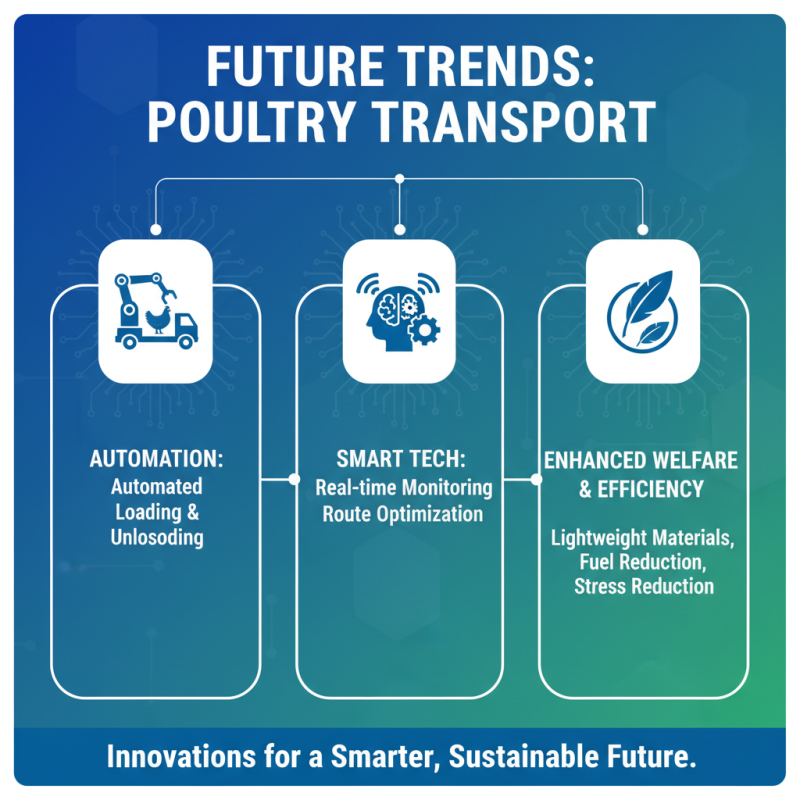
The poultry transport industry is embracing automation and smart technologies. Many innovations focus on enhancing efficiency and animal welfare. For instance, lightweight materials now ensure vehicles are easier to maneuver. This leads to reduced fuel consumption and costs.

Smart tracking systems help monitor the health of live poultry during transport. Sensors can detect temperature variations and alert operators if conditions change. However, the technology is not foolproof. Some systems may malfunction, risking the welfare of the animals.

There is also a rise in autonomous vehicles. These can minimize human error and optimize delivery routes. Yet, the implementation of such systems requires extensive testing. Regulatory frameworks need adaptation to ensure safety and compliance. Overall, while advancements are promising, continuous improvements and reflections on the current state are necessary.