Leave Your Message

Who Are the Best Livestock Equipment Suppliers in China?

Choosing the best Livestock Equipment suppliers in China takes more than comparing prices or browsing product photos. A stainless-steel feeder may look sturdy online, yet weld quality, surface finish, and replacement-part availability matter more once it reaches a working barn. Buyers should examine manufacturing experience, product specifications, quality-control records, customization options, and after-sales support. Claims deserve checking.

Animal welfare and practical handling should guide the evaluation. Dr. Temple Grandin, a leading expert in livestock handling, has said, “The most important thing is to look at the facility from the animal’s point of view.” Her principle applies to gates, stalls, drinkers, and handling systems: equipment should support safe movement, easy cleaning, and reliable daily use. Small design details matter. A sharp edge or poorly placed latch can create problems that a product brochure will not show.

This guide explores how to compare Chinese suppliers using evidence rather than broad promises. It considers product range, materials, manufacturing capabilities, communication, sample evaluation, and service after delivery. Buyers should request current documentation and verify that specifications match their own farm conditions and destination-market requirements. No supplier is perfect. Even a well-equipped factory may have gaps in documentation or support, so due diligence remains essential. The aim is not to name a winner for every buyer, but to identify suppliers whose strengths fit specific livestock operations—and to make the trade-offs visible.
Who Are the Best Livestock Equipment Suppliers in China?

What Livestock Equipment Suppliers in China Provide

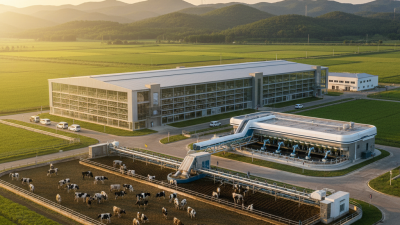
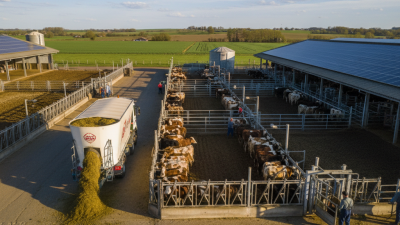
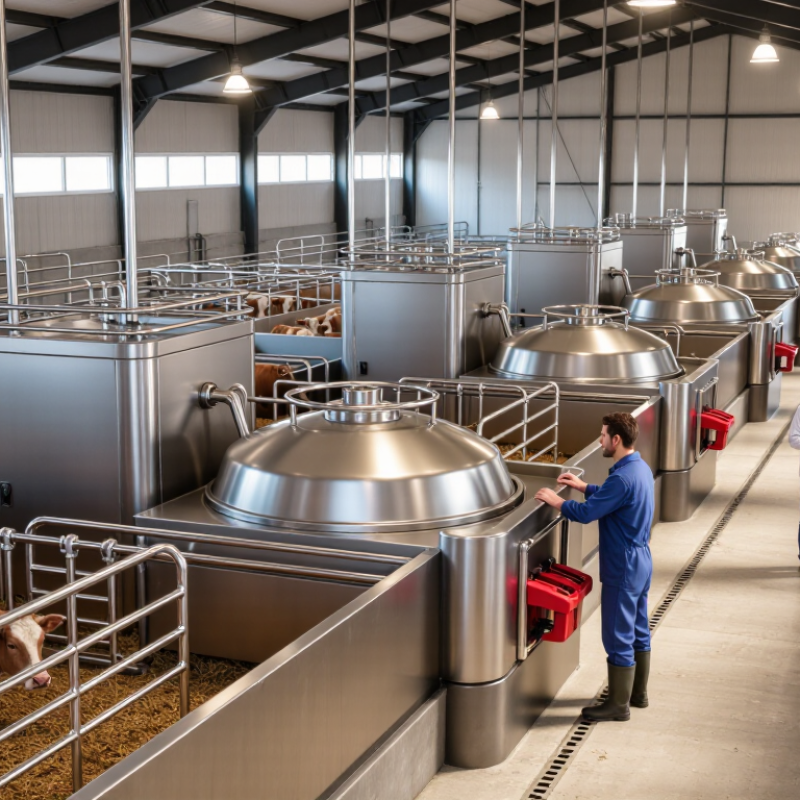
Livestock equipment suppliers in China commonly provide feeding, watering, housing, ventilation, and manure-handling systems. Some also supply milking equipment, egg collection systems, and basic farm-monitoring tools. The right package depends on the animals, their growth stage, and the farm layout. A poultry house may need adjustable drinker lines and fans, while a cattle barn may require sturdy stalls and feed barriers. Not every supplier covers every category.

A capable supplier can help match equipment to daily routines, not just a product list. Ask for drawings, material specifications, installation guidance, and replacement-part details. For example, check whether drinker height can be adjusted as animals grow, and whether fans suit the room’s dimensions. Request clear answers about cleaning and routine maintenance. A polished catalog is useful, but it cannot confirm that a system fits your building. I have seen planning details get overlooked; they can matter later.

Tips: Share your herd size, building measurements, and climate conditions before comparing quotations. Ask for photos of similar installations and confirm what after-sales support includes. Check the small parts, too. A missing connector can delay a whole line.
Which Livestock Equipment Categories Do Chinese Suppliers Cover?

Chinese livestock-equipment suppliers commonly cover housing, feeding, watering, climate control, manure handling, and animal-care systems. Poultry ranges may include floor-housing components, nest boxes, feeders, drinkers, egg collection, and ventilation. Pig and cattle systems often add farrowing pens, calf hutches, stalls, feed conveyors, and milking equipment. Some suppliers also provide silos, pumps, sensors, and automated controls. The National Bureau of Statistics of China reported 57.94 million tonnes of pork and 7.53 million tonnes of beef in 2023. Milk production reached 41.97 million tonnes, according to its Statistical Communiqué on 2023 National Economic and Social Development. That matters. These distinct production systems help explain the range of equipment categories available.

On a working farm, a broad catalogue matters less than fit with building dimensions, herd size, cleaning routines, and power supply. Check materials, spare-part availability, installation support, and operating requirements in writing. For feeding lines, ask about dosing consistency and clean-out access. For ventilation, request airflow calculations and alarm details. I would not treat a polished brochure as proof of dependable field performance. Some specifications look complete, yet omit maintenance intervals. Request equipment drawings and, where practical, a reference visit. Product categories may overlap, but suppliers’ service capacity can differ considerably.

Which Livestock Equipment Categories Do Chinese Suppliers Cover?

The bars count representative equipment examples listed for each category. They illustrate the breadth of equipment commonly offered—not supplier counts, market shares, or a ranking.

How Can Chinese Suppliers Be Evaluated?

When evaluating Chinese livestock equipment suppliers, look beyond polished catalogs. Ask for detailed drawings showing dimensions, materials, and installation requirements. Compare these with your farm’s layout and daily workflow. Details matter. Check weld consistency, smooth edges, coating finish, and whether moving parts operate without catching. For feeding and watering systems, ask how components are cleaned and replaced. Request quality-control records and test evidence for the specific equipment you plan to buy, not only general company documents.

A supplier’s production capacity matters, but so do communication and after-sales support. Ask who handles technical questions, how spare parts are identified, and what information is needed to resolve a fault. Request references from customers using similar equipment, and ask what required adjustment after installation. Not just price. Compare quotations line by line, including packaging, delivery terms, installation guidance, and exclusions. A video call can help, though it cannot replace a careful inspection or clear written specifications. No checklist is perfect. A single factory visit cannot reveal every weakness, and even a well-documented supplier may misunderstand a requirement. Record open questions and get agreed specifications confirmed in writing before placing an order.

What Types of Companies Lead China’s Livestock Equipment Market?

China’s livestock equipment market is led by several types of companies. Large system integrators supply complete farm packages, including feeding lines, ventilation, drinkers, and manure handling. Specialized manufacturers focus on components such as milking systems, incubators, environmental controls, or sorting equipment. A third group develops sensors and farm-management software. Their tools track temperature, feed use, and animal activity, but digital features are not useful if local servicing is weak.

Scale matters. China’s National Bureau of Statistics reported 57.06 million tonnes of pork production in 2024, reflecting the size of its livestock sector. FAO estimates livestock contributes about 40% of global agricultural output value. These figures show why reliable equipment matters, but they do not measure Chinese equipment sales or supplier rankings. That distinction is easy to miss. Buyers should assess suppliers by installation records, spare-parts access, energy use, and performance under local housing conditions—not catalog size alone.

Tips: Ask for a working-farm reference, then inspect a comparable setup. Check how quickly wear parts arrive. A low purchase price can become costly when ventilation or feeding stops.

Who Are the Best Livestock Equipment Suppliers in China? — What Types of Companies Lead China’s Livestock Equipment Market?
Supplier Type Typical Equipment Primary Customers Common Strengths What Buyers Should Verify
Poultry housing and equipment manufacturers Layer cages and colony systems, broiler equipment, feeders, drinker lines, egg collection equipment, ventilation fans, and environmental controls Commercial layer farms, broiler farms, and poultry integrators Product ranges can cover several stages of poultry production, with equipment designed for feeding, watering, ventilation, and egg handling. Housing design, ventilation capacity, corrosion protection, spare-parts availability, installation support, and compatibility with local farm conditions
Pig housing and farm-system suppliers Gestation and farrowing equipment, piglet feeders, drinkers, flooring, manure removal systems, ventilation, and temperature controls Breeding farms, farrowing units, and commercial pig farms May supply coordinated equipment for breeding, farrowing, nursery, and finishing areas. Animal-space and welfare requirements, cleaning and disinfection access, manure-system design, material durability, and after-sales service
Dairy and milking-equipment suppliers Milking parlors, milking machines, milk cooling tanks, milk-handling equipment, cow stalls, and manure-handling systems Dairy farms, milk producers, and dairy project contractors Specialized systems support milk harvesting, cooling, and routine dairy-farm operations. Milking-system capacity, milk-contact material specifications, cleaning procedures, cooling performance, maintenance requirements, and technician support
Feed manufacturing and conveying equipment suppliers Feed silos, augers, conveyors, feed bins, mixers, and automated distribution systems Livestock farms, feed mills, and farm-system integrators Equipment can support bulk storage and the movement or distribution of feed across farm buildings. Required throughput, layout compatibility, dust control, wear-resistant components, installation requirements, and access to replacement parts
Ventilation and environmental-control manufacturers Exhaust and circulation fans, air inlets, cooling pads, heaters, controllers, and monitoring sensors Poultry, pig, and other enclosed livestock facilities Environmental systems help manage airflow and indoor temperature; complete solutions may combine fans, inlets, and controls. Airflow specifications, energy use, control-system compatibility, noise, maintenance access, and suitability for the building design
Manure, wastewater, and farm-cleaning equipment suppliers Scrapers, pumps, separators, conveyors, manure storage components, and wastewater-treatment equipment Livestock farms and agricultural project developers Equipment can be configured around manure collection, solids handling, and farm wastewater-management processes. Waste volume and characteristics, site drainage, local environmental requirements, corrosion resistance, and ongoing operating costs
Integrated livestock-project and turnkey-system providers Farm layout, housing, feeding, drinking, ventilation, manure handling, controls, and installation coordination New farms, farm expansions, and large-scale livestock projects A single project provider can coordinate equipment interfaces and installation across multiple production systems. Scope of supply, engineering documentation, commissioning, project references, warranty terms, service coverage, and responsibilities for subcontracted work
Specialist component and metal-fabrication suppliers Stall partitions, gates, brackets, frames, flooring components, and custom-fabricated farm fittings Equipment manufacturers, contractors, and farms needing replacement or custom parts Can provide components tailored to project dimensions or existing equipment configurations. Material grade, dimensions and tolerances, surface finish, load requirements, production consistency, and inspection documentation

Selection note: These are supplier categories rather than a ranked list of companies. The right supplier depends on livestock type, farm scale, site conditions, applicable standards, installation capability, and long-term service and spare-parts support.

How Can Buyers Verify and Select a Supplier?

A supplier’s catalog can look convincing, but equipment quality is easier to judge through evidence. Ask for dated production photos, material specifications, and inspection records for the exact model you plan to buy. Check whether stated dimensions, load capacity, and surface finishes match your requirements.

Small details matter.

A poorly finished weld or an uneven gate can create maintenance problems later. Speak with recent customers who bought similar equipment, and ask about delivery accuracy, installation support, and spare-part availability. If possible, visit the workshop or arrange a live video walkthrough. Look for organized stock, safe handling, and workers who can explain production steps clearly.

Request a sample or a pre-shipment inspection when the order justifies it.

Paperwork alone is not proof.

Before paying, confirm the full specification, packaging method, delivery schedule, warranty terms, and after-sales contact in writing. Use clear payment milestones tied to production or inspection progress. Compare quotations line by line; a low price may leave out fittings, freight, or installation. No checklist removes every risk. I would still ask uncomfortable questions, because even careful buyers can miss a detail.