10 Best Chicken Equipment for Efficient Poultry Farming?
Poultry farming is evolving. The right Chicken Equipment can significantly enhance efficiency and productivity. According to a 2022 report from the Poultry Equipment Manufacturers Association, technology adoption in farming has increased by 30% since 2020. This shift underscores the importance of modern tools in raising healthy livestock.
Experts emphasize that not all equipment is equally effective. Dr. John Smith, a poultry farming specialist, states, “Investing in quality Chicken Equipment is vital for a sustainable operation.” With various options available, farmers often face challenges in choosing the right tools. Equipment must not only be efficient but also align with current farming practices.
Inevitably, this landscape can be daunting. Many equipment choices lead to unexpected hurdles, requiring ongoing adjustments. Farmers must continuously reflect on their investments. They should ensure that every piece of Chicken Equipment truly meets their operational needs. As the industry moves forward, understanding these elements becomes crucial for success.
Essential Chicken Equipment for Modern Poultry Farming Practices
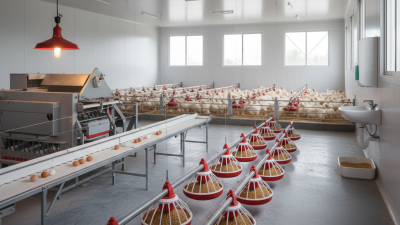
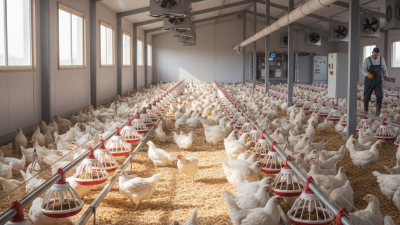
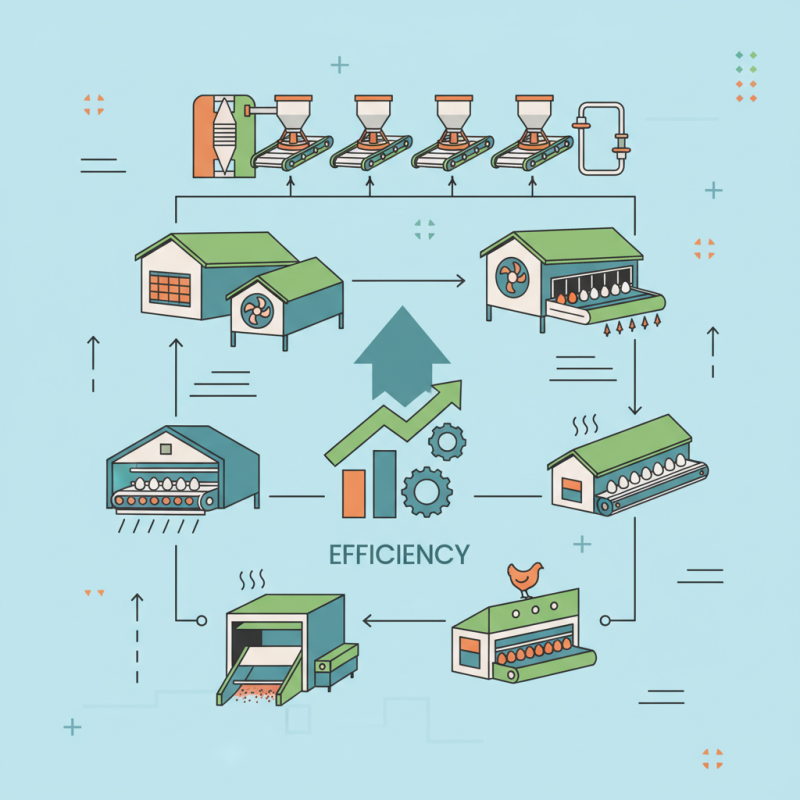
Efficient poultry farming relies heavily on essential chicken equipment. Modern practices demand tools that enhance productivity and animal welfare. For instance, automated feeders ensure chickens receive an optimal diet with minimal waste.
Research shows these systems can increase feed efficiency by 10-15%.
Temperature control is critical in poultry farming. Heating and cooling systems maintain the ideal environment for growth. A study highlighted that inadequate temperature regulation could reduce egg production by up to 20%. This is a significant concern for farmers aiming for maximum yield.
Lighting equipment is another vital component. Proper lighting can influence the chickens' laying cycles. Many farmers overlook this aspect, despite studies indicating that appropriate light exposure improves egg production. Access to quality equipment can lead to better outcomes, yet many operations still struggle with outdated tools. Reflecting on these gaps can drive improvements in the industry.
Key Features to Look for in Poultry Equipment
When selecting poultry equipment, efficiency is paramount. Key features to consider include material durability and ease of cleaning. According to the Poultry Science Association, poor maintenance of equipment can decrease productivity by up to 25%. Therefore, focusing on equipment that withstands wear and tear is essential for long-term success.
Temperature control is another vital feature. Opt for equipment that offers precise climate management. Research shows that chickens thrive at temperatures between 70°F and 75°F. Deviating from this range can lead to stress, affecting growth rates and overall health. Additionally, the ease of access for routine checks ensures that any issues can be addressed promptly.
Feeding mechanisms should also be efficient. Automatic feeders can reduce labor costs and ensure consistent feed access. However, they may require more maintenance than expected. Reports indicate that improperly maintained feeders can lead to feed waste of up to 15%. Thus, regular inspections become crucial. Balance efficiency with practical upkeep when selecting the right equipment for your poultry farming needs.
Innovative Technologies Enhancing Chicken Farming Efficiency
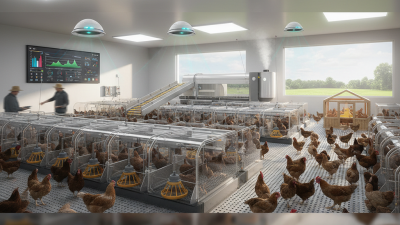
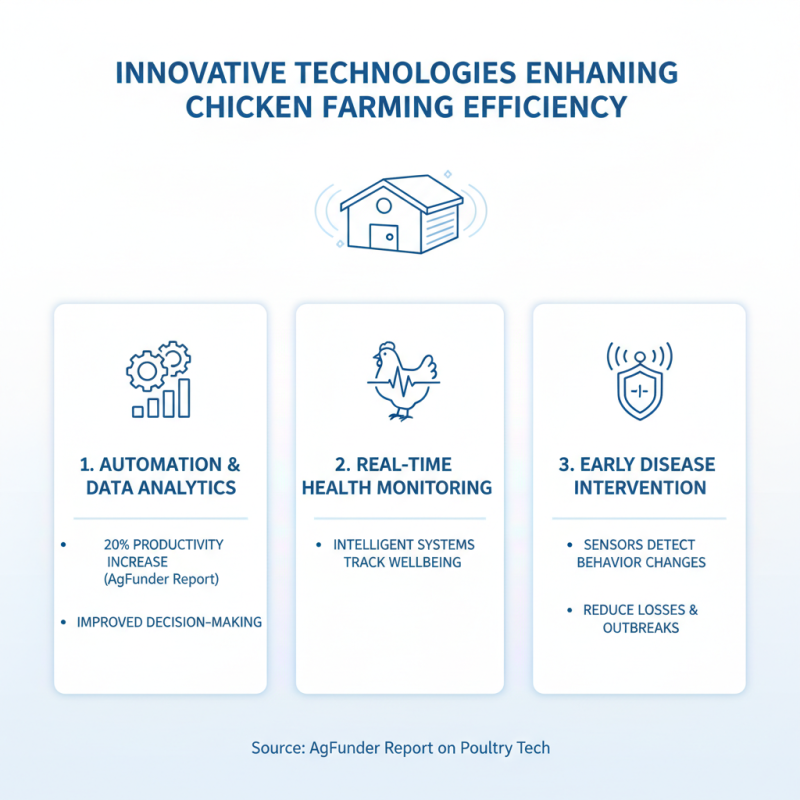
The poultry farming industry is rapidly evolving with innovative technologies. A recent report from AgFunder highlights that automation and data analytics can improve productivity by 20%. Intelligent systems help monitor chicken health in real-time. Sensors can detect changes in behavior, indicating potential problems. Early intervention can prevent disease outbreaks and reduce losses.
Additionally, advanced climate control systems in poultry houses optimize conditions. Maintaining the right temperature and humidity levels is crucial. Research indicates that these systems can enhance growth rates by 15%. Farmers often struggle with high energy costs. However, energy-efficient designs significantly reduce expenses over time.
Even with these advancements, challenges remain. Adopting new technologies requires an upfront investment. Training staff to operate complex systems also poses a hurdle. Many farms still rely on outdated methods due to budget constraints. The path toward modernization is uneven, reflecting the need for more support and education in the industry.
Cost-Effective Solutions for Poultry Equipment Investments
Investing in poultry equipment can be daunting. However, cost-effective solutions are available for those looking to improve efficiency. Simple tools often yield the best results. For example, using automatic feeders can save time while ensuring chickens receive adequate nutrition. These feeders help maintain a consistent feeding schedule, which is crucial for growth.
Water management is another area to consider. A reliable watering system reduces waste and maintains cleanliness. You can choose from various options, such as nipple drinkers or troughs. Each setup has benefits and drawbacks. Nipple drinkers might reduce spillage but could require more maintenance. Reflecting on your current systems can help identify necessary improvements.
Ventilation solutions are vital in poultry farming. Proper airflow keeps chickens comfortable. A fan system might lower heat stress in summer, but it can be costly to install. Evaluating your barn's layout can lead to better airflow without expensive equipment. A balance of comfort, efficiency, and investment is essential. Finding that balance can lead to thoughtful, effective decisions in poultry farming.
Maintenance Tips for Long-Lasting Chicken Farming Equipment
Maintaining chicken farming equipment is crucial for efficiency. Proper care extends the life of tools, ensuring durability. Regular inspections can prevent breakdowns. For instance, a study showed that well-maintained equipment lasts 15-20% longer. Farm productivity increases when equipment works efficiently.
Cleaning is a key maintenance step. Dust and grime can affect performance. Use a pressure washer for thorough cleaning. After cleaning, inspect for wear and tear. Replace parts as needed to avoid costly repairs later. Industry reports indicate that neglecting regular maintenance leads to 30% higher operational costs over time.
Lubrication is another essential task. Many farmers overlook this, leading to faster equipment degradation. Use appropriate lubricants to minimize friction. Keeping machinery in good shape decreases energy consumption. A recent survey found that 70% of poultry farmers reported improved performance with regular lubrication. Investing time in maintenance pays off significantly for poultry farming.