2026 Best Bulk Feed Tipper Reviews and Buying Guide
In the agricultural sector, efficiency and reliability are crucial. The "Bulk Feed Tipper" industry plays a significant role in ensuring smooth operations for livestock feeding and grain handling. A recent report by the Agricultural Equipment Institute highlights that the demand for bulk feed transport solutions has grown by 15% in the past five years. This trend underscores the need for high-quality equipment that can withstand heavy usage.
Industry expert Dr. Emily Carter, known for her work in agricultural machinery, states, "Investing in a durable Bulk Feed Tipper can significantly reduce downtime and improve productivity." This perspective resonates with many farmers who prioritize dependable technology. However, not all bulk feed tippers are created equal. Some models may lack durability or efficiency, leading to potential issues in the long run.
As farmers navigate choices in bulk feed tippers, careful consideration is essential. The right equipment can enhance operational effectiveness, while the wrong pick may lead to frustration. Understanding the features and specifications helps in making informed decisions. This guide aims to provide insights into the best bulk feed tippers available, allowing users to reflect on their unique needs and preferences.

Understanding Bulk Feed Tippers: Definition and Functionality
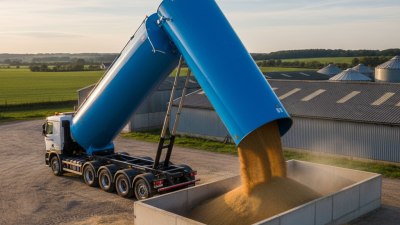
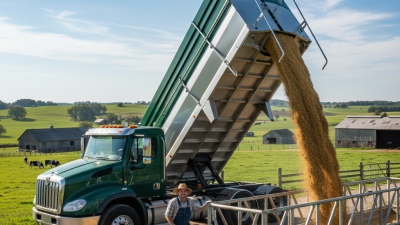
Bulk feed tippers are specialized equipment designed to efficiently transport and dispense feed in bulk quantities. Their primary function is to ensure safe loading and unloading while minimizing spillage and waste. Understanding the mechanics of these machines is vital for anyone working in agriculture or livestock management. They streamline the feeding process, making it easier and faster.
When considering a bulk feed tipper, reflect on the size and capacity that best fits your needs. Look for features that enhance usability, such as easy tipping mechanisms and sturdy construction. These factors can significantly impact efficiency and overall satisfaction. It’s important to choose a design that complements your current setup and enhances workflow.
Tips: Regular maintenance is essential to keep your bulk feed tipper in optimal condition. Inspect components frequently for signs of wear and tear. Additionally, training staff on proper loading techniques can prevent accidents and prolong the device's lifespan. Small adjustments today can lead to significant benefits over time. Listening to user feedback can also uncover areas for improvement that you might not initially consider.
2026 Best Bulk Feed Tipper Performance Comparison
This chart compares the payload capacity, unloading time, and durability ratings of various bulk feed tippers, providing insights for potential buyers.
Key Features to Look for in the Best Bulk Feed Tippers
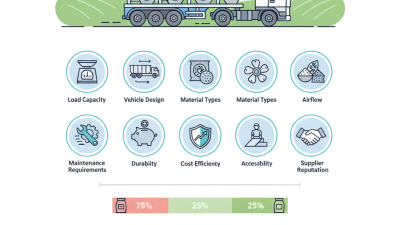
When choosing the best bulk feed tipper, several key features stand out.
Capacity is crucial. A larger capacity means fewer trips. However, bigger isn’t always better if you lack the space to maneuver.
Look for a model that fits your operational needs. Consider the type of materials you're handling.
Certain tippers are better suited for specific feed types. Compatibility can impact performance.
Another critical feature is durability. Investing in a rugged design can save money in the long run.
Tippers made from high-quality materials last longer under tough conditions.
Check for rust resistance and overall construction quality. Regular maintenance can prolong life, but selecting durable options is essential.
Tips: Always review customer feedback for insights.
Real users provide information that you might not find elsewhere.
Observe how the tipper performs in real-world situations.
This information can guide your choice effectively. It's vital to test drive your options if possible.
Not every model meets every need, so take the time to reflect on what you truly require.
Top 2026 Bulk Feed Tipper Models Reviewed and Compared
When it comes to bulk feed tippers, understanding the various models is crucial for making an informed choice. According to a 2026 industry report, the bulk feed tipping equipment market is witnessing significant growth with an expected CAGR of 5.4%. This indicates a strong demand for advanced feeding solutions in agriculture, emphasizing the importance of selecting the right model for specific needs.
The key features to assess in bulk feed tippers include capacity, durability, and ease of operation. A model with a higher capacity can reduce the number of trips needed, enhancing efficiency. However, durability is equally important. Tippers made from high-grade materials withstand demanding work conditions better. It’s worth noting that some models may require frequent maintenance, questioning their long-term reliability. Always check user reviews to gauge real-world performance.
Tip: Consider your specific needs before buying. Evaluate how often you’ll use the equipment and the types of feed you transport. Another point of reflection is the cost versus the expected lifecycle. Sometimes, investing more upfront saves on repairs and replacements later. Selecting the right bulk feed tipper is about balancing value, functionality, and reliability.
Factors Influencing the Price of Bulk Feed Tippers
When considering bulk feed tippers, various factors can influence pricing significantly. Material quality is one of the primary determinants. High-grade aluminum and stainless steel often lead to higher prices but enhance durability and resistance to corrosion. A report from the Agricultural Equipment Manufacturers Association (AEMA) indicates that equipment crafted from premium materials can last up to 25% longer, reducing long-term costs.
Another important factor is the capacity and design of the tipper. As capacities increase, so do production costs. For instance, a unit with a 10-ton capacity will generally be priced higher than a 5-ton model due to additional materials and engineering. According to industry data, the demand for larger tippers has grown by 35% over the past five years, which has also influenced market pricing.
The technological features incorporated into these tippers impact pricing as well. Advanced hydraulic systems can enhance efficiency but come with a premium cost. A study by the International Journal of Agricultural Engineering noted that tippers with advanced features can efficiently decrease loading times by 20%. Yet, it's crucial to balance features with budget constraints, as not all buyers require high-end technology. Understanding these factors helps buyers make informed decisions while navigating the bulk feed tipping market.
2026 Best Bulk Feed Tipper Reviews and Buying Guide
| Model |
Capacity (Tons) |
Material |
Power Requirement (HP) |
Price Range (USD) |
| Model A |
10 |
Steel |
15 |
$5,000 - $7,000 |
| Model B |
15 |
Aluminum |
20 |
$6,500 - $8,500 |
| Model C |
20 |
Steel |
25 |
$7,000 - $9,000 |
| Model D |
25 |
Stainless Steel |
30 |
$8,000 - $10,000 |
| Model E |
30 |
Composite |
35 |
$9,000 - $12,000 |
Maintenance Tips for Prolonging the Life of Your Bulk Feed Tipper
Maintaining a bulk feed tipper is crucial for its longevity and performance. Regular inspections can prevent costly repairs. Look for wear and tear on the tipping mechanism and hydraulic components. A worn-out hydraulic cylinder can lead to hydraulic fluid leaks, affecting efficiency. Tighten loose connections and replace damaged hoses promptly.
Cleaning is often overlooked. Residue buildup can cause corrosion over time. After each use, wash the tipper to remove feed remnants and dust. Dry it thoroughly to prevent moisture-related issues. Pay attention to the axle and wheel bearings. Grease them regularly to avoid seizing and wear out.
Training operators is essential. Proper use can significantly reduce damage. Teach them to avoid overloading the tipper. Operators should also be aware of terrain challenges. Uneven ground can cause instability. Keeping a maintenance log is a good practice. It helps track repairs and identify recurring issues. Neglecting these details might lead to bigger problems later.