2026 Best Chicken Transporter Vehicle Options for Efficient Farming?
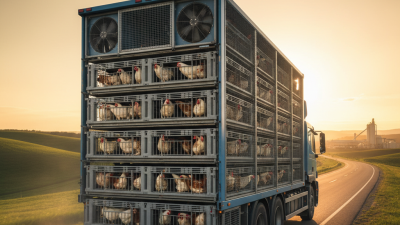
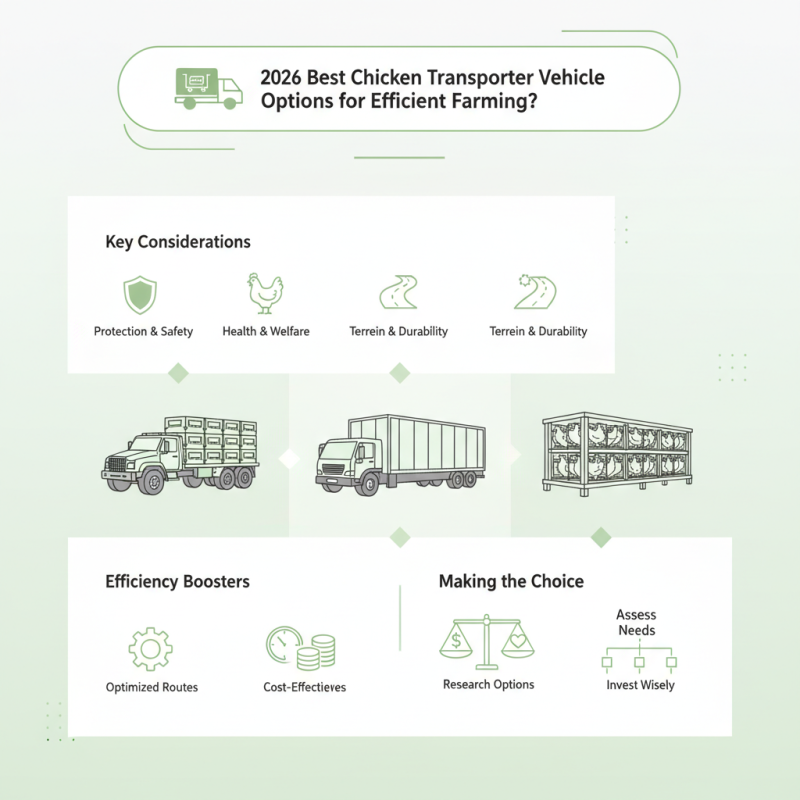
Selecting the right Chicken Transporter Vehicle is crucial for modern farming. With the growing demand for poultry, efficiency is key. The vehicle must protect the chickens during transport while ensuring their health and safety.
Farmers should consider various factors. Different terrains require specific designs. A sturdy Chicken Transporter Vehicle can withstand rough roads. However, not all vehicles are created equal. Sometimes, farmers overlook essential features, resulting in difficulties during transport. Efficient routes and the right vehicle make a significant difference.
Finding an ideal transport solution isn't easy. Options vary widely, leaving farmers with tough choices. Choosing a vehicle requires careful evaluation of needs. Cheaper options may lack necessary features. Balancing cost and quality is a constant challenge. As the poultry industry evolves, so do transport needs. A solid choice can enhance farming operations significantly.
2026 Chicken Transporter Vehicle Overview for Farmers
Transporting chickens efficiently is vital for farmers. In 2026, technology continues to evolve. The vehicle options available today can help farmers ensure animal welfare and reduce stress during transport. Recent reports show that about
80% of poultry transport issues stem from inadequate vehicle design. This highlights the importance of selecting the right model.
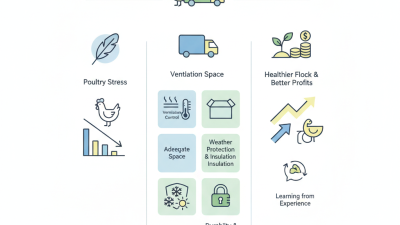
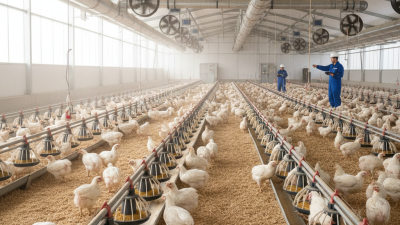
When considering transporter vehicles, focus on ventilation. Chickens need fresh air to stay calm. Poor ventilation can lead to heat stress, affecting their health.
Research indicates that well-ventilated transport can reduce mortality rates by up to 20%. Farmers should also assess the vehicle's loading and unloading process. Complicated systems can increase handling time, which is not ideal.
Tips: Choose a vehicle that allows for smooth entry and exit. Assess the space for minimum crowding. Remember, too many birds in one area can create discomfort. Make sure to check your local regulations on transport standards. Compliance is crucial for safe operations. Planning ahead can make a significant difference in
animal welfare and overall productivity in poultry farming.
Key Features to Look for in Chicken Transporter Vehicles
When selecting chicken transporter vehicles, various key features stand out for efficient farming. One crucial aspect is ventilation. Proper airflow helps maintain a comfortable temperature for the chickens. According to industry reports, inadequate ventilation can lead to stress and reduced productivity. The vehicle should have adjustable vents to optimize airflow during transport.
Another important consideration is the floor design. A non-slip surface is essential to prevent injuries while minimizing stress on the birds. The added benefit of easy cleaning should not be overlooked. Regular sanitation reduces the risk of disease transmission. Data shows that 70% of poultry farmers emphasize cleanliness in their transport vehicles.
Capacity is also vital. Farmers need vehicles that can accommodate their flock without overcrowding. Overloading can cause suffocation and injury, impacting overall health. Many experts recommend calculating the optimal space for each bird based on their size and weight. Regular assessments of available transport options can help farmers identify weaknesses in their current methods. Reflecting on these factors may lead to more efficient chicken transport solutions.
Cost Analysis of Chicken Transporter Vehicles: Budgeting Tips
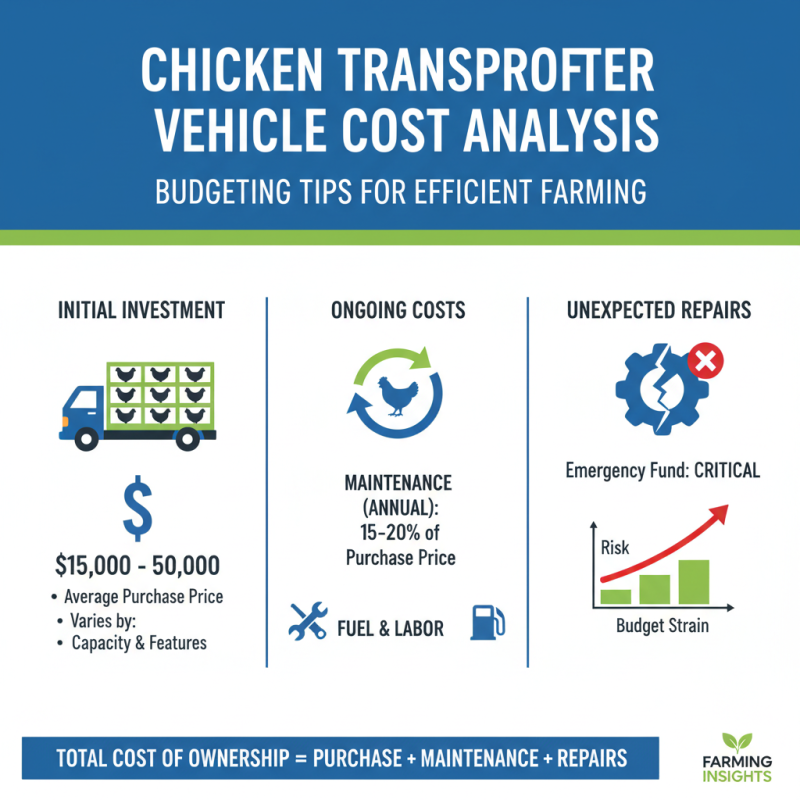
Efficient farming requires careful budgeting for chicken transporter vehicles. Cost analysis shows a significant investment is often necessary. According to a recent industry report, the average initial cost of these vehicles ranges from $15,000 to $50,000. This wide range depends on factors like capacity and features. Operators often overlook ongoing maintenance costs, which can average 15-20% of the purchase price annually. Unexpected repairs can strain budgets.
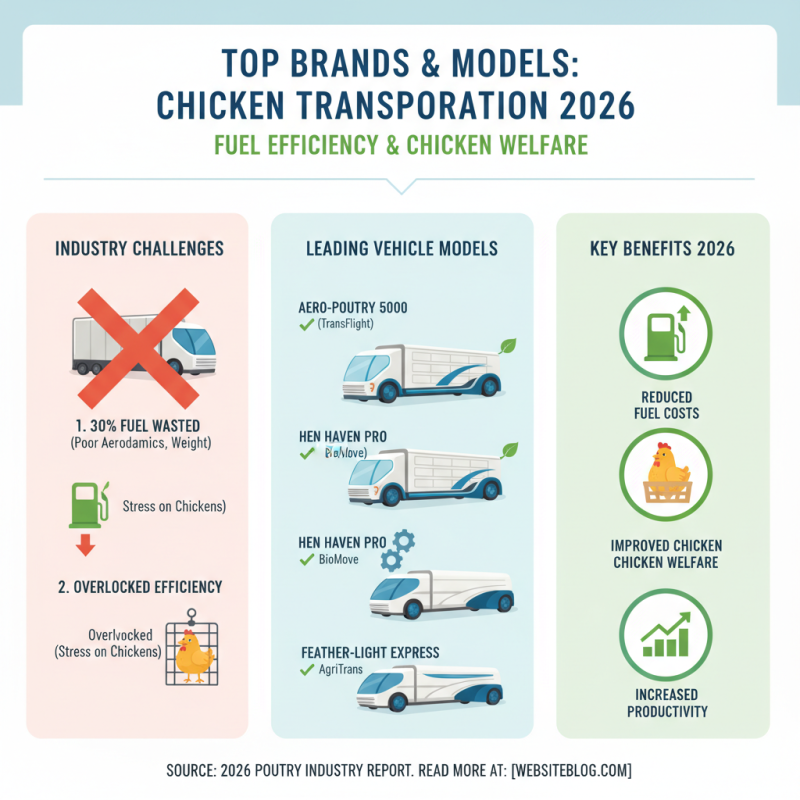
Fuel efficiency also plays a crucial role. A vehicle that consumes less fuel will save money in the long run. Many models offer better fuel economy, reducing overall operating costs. However, farmers must assess whether the initial higher price is worth the savings. Seasonal fluctuations in demand add complexity, making it essential to choose wisely.
While budget constraints are common, overlooking the importance of reliability can lead to greater expenses. Investing in a sturdy vehicle often pays off. Farmers need to balance initial costs with long-term efficiency. This often requires difficult decisions. Each choice reflects different priorities and potential returns on investment. Evaluating these factors can lead to smarter financial planning in chicken transport logistics.
Maintenance and Care for Efficient Chicken Transporters
Maintaining chicken transporters is essential for efficient farming. Regular inspections help identify potential issues early. Check the structural integrity of the vehicle. Look for signs of wear, rust, or damage. The health of chickens depends on a well-maintained transporter.
Cleaning the interior after each use is crucial. Residual waste can lead to disease spread. Use safe, non-toxic cleaning agents. Ensure that all surfaces are sanitized properly. Pay attention to ventilation systems as well. Stale air can stress the birds.
Periodic training for staff is beneficial. They should know how to handle the vehicles properly. Poor handling can cause unnecessary damage. Keeping records of maintenance and repairs is wise. This helps track issues and trends over time. If problems keep recurring, reassessment is needed. Consider if the current vehicle meets the demands of the farm. Regular maintenance not only extends the vehicle's life but also ensures the chickens' well-being.
2026 Best Chicken Transporter Vehicle Options for Efficient Farming
| Vehicle Type |
Capacity (Chickens) |
Fuel Efficiency (mpg) |
Maintenance Frequency (months) |
Average Cost (USD) |
| Pick-up Truck |
100 |
22 |
3 |
25,000 |
| Vans |
250 |
18 |
6 |
30,000 |
| Lightweight Trailers |
500 |
15 |
12 |
15,000 |
| Refrigerated Trucks |
1,000 |
12 |
6 |
50,000 |
| Gooseneck Trailers |
800 |
13 |
12 |
20,000 |