The 2026 Best Broiler Farm Equipment market is shaped by rising poultry demand, tighter operating margins, and stronger expectations for animal welfare. The OECD-FAO Agricultural Outlook 2024–2033 identifies poultry as the fastest-growing major meat sector. It also links growth to affordable protein, efficient feed conversion, and expanding urban consumption. USDA Foreign Agricultural Service data also places global chicken meat production above 100 million metric tons annually. These figures explain why equipment selection now matters far beyond basic farm construction.
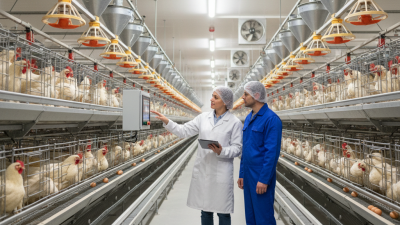
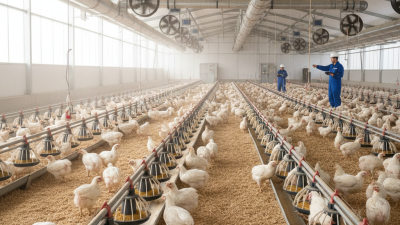
Reliable Broiler Farm Equipment should control climate, feed, water, lighting, hygiene, and daily labor. A modern tunnel-ventilated house may use cooling pads, circulation fans, automated controllers, nipple drinkers, and precision feeders. Each component affects flock comfort and uniformity. A two-degree temperature error can change bird behavior quickly. Wet litter follows poor water pressure. Uneven feed distribution appears first at the corners.
The best choice is not always the most automated system. Local electricity quality, spare-part access, building design, climate, and technician skills must guide the decision. FAO animal production guidance emphasizes biosecurity, ventilation, clean water, and responsible husbandry as practical foundations for poultry performance. Still, equipment brochures rarely show every field problem. A cheaper fan can become an expensive mistake. No equipment list is perfect. Buyers should compare airflow data, warranty terms, cleaning procedures, energy use, and verified farm results before signing contracts. This guide evaluates leading options for global buyers with practical evidence, technical judgment, and room for honest reflection.
Broiler capacity in 2026 should begin with live-weight planning, not equipment catalogs. At a target density of 30–42 kg/m², one house may hold very different bird numbers. Final weight matters. For example, 30 kg/m² supports about 13.6 birds per square meter at 2.2 kg. Local welfare rules, ventilation performance, climate, and litter condition may require a lower limit. The highest number is not automatically the best result.
A 35–42-day cycle also changes equipment demand. Feed lines need consistent delivery during rapid growth, while drinker height must be adjusted as birds develop. In hot regions, tunnel ventilation, cooling pads, emergency power, and temperature alarms deserve serious attention. In colder areas, heating control and fresh-air inlets must work together without creating drafts. A practical design should measure temperature, humidity, carbon dioxide, water use, and daily mortality.
Capacity calculations often look perfect on paper. They can still fail during a heat wave or an uneven placement. I would leave operating space for maintenance and reduce stocking pressure when the house cannot remove heat efficiently. Automatic systems save labor, but they need manual checks every day. A blocked nipple or failed fan can affect thousands of birds within hours. Reliable equipment is not only powerful; it is serviceable, measurable, and matched to local labor skills.
2026 Best Broiler Farm Equipment for Global Buyers
Match Feed Systems to FCR Targets Near 1.5–1.7 kg/kg
An FCR target of 1.5–1.7 kg/kg demands more than fast-growing birds. Feed delivery must remain even from the first day. Uneven pans can create small birds, feed competition, and hidden waste. The National Chicken Council reports that U.S. broiler feed conversion improved from about 2.5 in 1960 to approximately 1.7 today. That progress makes equipment accuracy increasingly important.
Select feeders with adjustable pan height, stable feed depth, and reliable auger control. A farm targeting 1.5 FCR should monitor feed disappearance daily, not weekly. Load cells can reveal unusual silo changes, while bird scales expose uneven growth before processing. FAO’s Poultry Development Review identifies feed as the largest production cost in many poultry systems. A leaking line therefore becomes a financial problem, not merely a maintenance issue.
Climate changes the specification. In hot regions, shorter feed interruptions may protect intake during cooler hours. Dust control also matters near motors, sensors, and feed tracks. USDA Foreign Agricultural Service reports continued expansion in global poultry production, but market conditions vary widely by region. That makes local serviceability essential. Imported equipment may look efficient, yet spare-part delays can damage an entire cycle. I would test calibration under real farm conditions. Laboratory precision alone can mislead. FCR also reflects mortality, litter quality, water pressure, and weighing methods, so equipment should be judged against complete farm records, not one impressive number.
Matching feed systems with practical FCR targets near 1.5–1.7 kg feed per kg live-weight gain
These planning benchmarks reflect typical commercial broiler performance ranges under good management. Automated feed delivery, accurate feed-height adjustment, consistent feed presentation, and reduced feed waste can support lower FCR, while actual results also depend on genetics, housing climate, stocking density, flock health, feed quality, and farm management.
2026 Best Broiler Farm Equipment for Global Buyers
Broiler houses need stable climate control, not simply powerful equipment. Maintain temperatures between 20 and 24°C during suitable growing stages. Younger birds require warmer conditions, so operators must adjust settings by age. Use calibrated temperature and humidity sensors at bird level. Ceiling readings can mislead. A controller should coordinate heaters, fans, air inlets, and cooling pads. Sudden airflow can chill birds, even when the display looks normal.
Ammonia must remain below 20 ppm. Ventilation removes moisture and harmful gases from wet litter. Install ammonia monitoring near resting areas, not only beside exhaust fans. I have seen farms increase fan speed while leaving blocked inlets untouched. The result was noise, wasted energy, and uneven air movement. Regularly inspect litter, drinker lines, fan belts, and inlet doors. Alarm systems should warn staff about temperature changes, sensor failure, and rising ammonia.
Tips: Check sensors weekly with a trusted reference. Record readings at dawn and afternoon. Keep spare probes available. Small errors matter. Do not depend on automation alone; walk through the house and observe bird distribution, breathing, litter condition, and dust. A design that works in a dry region may fail during humid weather. Test emergency ventilation before every production cycle. Perfect control is unrealistic, but careless calibration is avoidable.
| Equipment Category | Recommended Selection Data | Climate or Air-Quality Target | Typical Capacity or Technical Range | Selection and Installation Considerations |
|---|---|---|---|---|
| Environmental Controller | Programmable controller for temperature, relative humidity, ventilation stages, cooling, heating, lighting and alarms. | 20–24°C during the target grow-out period; automatic response to ammonia and humidity trends. | Multi-stage control with independent inputs for temperature, humidity, static pressure and ammonia sensors. | Use proportional or staged control rather than simple on/off operation. Include data logging, remote notification and manual override. |
| Temperature and Relative-Humidity Sensors | Digital livestock-house sensors positioned at bird level and away from direct heater or cooling-pad airflow. | Temperature set point: 20–24°C; recommended operating RH: approximately 50–70%. | Typical temperature accuracy: approximately ±0.3°C; typical RH accuracy: approximately ±3% RH. | Install multiple sensors along the house because temperature can vary near walls, inlets, fans and drinker lines. Calibrate and clean sensors regularly. |
| Ammonia Monitoring Sensor | Electrochemical or equivalent continuous NH3 monitor with visual and remote alarms. | Below 20 ppm Use a warning level around 15 ppm and an immediate corrective-action level at 20 ppm. |
Common measurement range: 0–100 ppm; practical accuracy depends on sensor type, calibration and cross-sensitivity. | Place the sensing point at bird breathing height. Verify readings with a calibrated handheld instrument and replace sensors according to the manufacturer’s service interval. |
| Tunnel Ventilation Fans | High-efficiency axial fans with shutters, guards, belt protection and variable-speed or staged control. | Maintain uniform air movement and remove moisture, dust and ammonia without excessive drafts. | Common fan diameter: 36–52 in (0.91–1.32 m); typical airflow: about 30,000–45,000 m³/h at approximately 20–25 Pa, depending on fan size and test method. | Select fans using certified airflow at the actual system static pressure, not only free-air ratings. Provide enough capacity for local climate, house length and stocking load. |
| Minimum-Ventilation Inlets | Ceiling or side-wall inlets with adjustable opening, tight closure and positive air-throw design. | Supply fresh air evenly while preventing cold air from dropping directly onto the litter. | Designed for controllable air velocity and balanced static pressure; final quantity depends on house width, length and fan capacity. | Use a static-pressure sensor and verify inlet throw with smoke or lightweight ribbon tests. Seal unused openings and service damaged gaskets. |
| Evaporative Cooling System | Cellulose cooling pads, water pump, distribution header, sump, filter and automatic high-temperature control. | Use only when cooling is required; avoid excessive RH that can increase litter moisture and ammonia. | Typical pad thickness: 100–150 mm; approximate cooling efficiency: 70–85% when correctly sized and maintained. | Size pad area for the design airflow and local summer conditions. Keep pads clean, control water quality and drain the system between cycles when appropriate. |
| Broiler Heating System | Gas, diesel, electric or indirect-fired heaters with flame safety, thermostat control and combustion-air management. | For the specified grow-out zone, prevent temperatures below 20°C; younger chicks require substantially warmer brooding conditions. | Common unit outputs vary from approximately 30–75 kW per heater; total capacity depends on insulation, outdoor temperature and house volume. | Use indirect combustion or adequate exhaust management to avoid adding combustion gases and moisture to the house. Protect heaters from dust and litter accumulation. |
| Drinking System | Nipple drinker lines with pressure regulators, flush valves, filters and water-meter monitoring. | Prevent leakage and wet litter, which are major contributors to elevated ammonia. | Typical allocation: approximately 10–15 broilers per nipple, subject to drinker design and bird age; common nipple flow: about 70–100 mL/min for broiler applications. | Keep lines level, adjust pressure as birds grow, test flow at the end of every line and flush regularly. Water quality should be tested for microbiological and chemical suitability. |
| Automatic Feeding System | Feed silos, auger lines, feed pans, level sensors and automatic feed control. | Provide consistent access to feed without excessive spillage that can increase dust and litter contamination. | Typical allocation: approximately 45–60 broilers per pan, depending on pan diameter, feed formulation and management practice. | Set pan height at bird shoulder level, inspect augers and sensors, and remove spilled feed promptly. Capacity should cover peak daily demand with reserve storage. |
| Litter Moisture and Floor Management Tools | Handheld litter-moisture meter, scraper or compacting tools, fresh absorbent bedding and localized ventilation controls. | Maintain friable litter and avoid persistently wet areas around drinkers, walls and poorly ventilated zones. | Target litter moisture is commonly managed around 20–25%; readings should be interpreted together with caking, odor and bird-footpad condition. | Repair drinker leaks, improve air distribution and remove wet patches. Do not rely on chemical litter additives as a substitute for ventilation and water-line maintenance. |
| Air-Quality and Static-Pressure Monitoring | Static-pressure sensor, differential-pressure tubing, particulate observation and alarm integration. | Stable pressure that provides adequate inlet air throw without excessive drafts or uncontrolled leakage. | Typical negative-pressure control is commonly adjusted within approximately 10–30 Pa, depending on house design and inlet configuration. | Measure pressure at several operating stages. Check curtains, doors, service penetrations and fan shutters for leaks that can reduce ventilation efficiency. |
| Emergency Power and Alarm System | Automatic transfer switch, standby generator or battery-backed critical controls, audible alarm and mobile alerts. | Maintain ventilation, drinking-water supply and temperature protection during utility failure. | Generator capacity should cover 100% of critical loads, including starting current for the largest fan motor, with reserve capacity where practical. | Test the system under load at scheduled intervals. Keep fuel, spare belts, fuses, sensors and controller batteries available on site. |
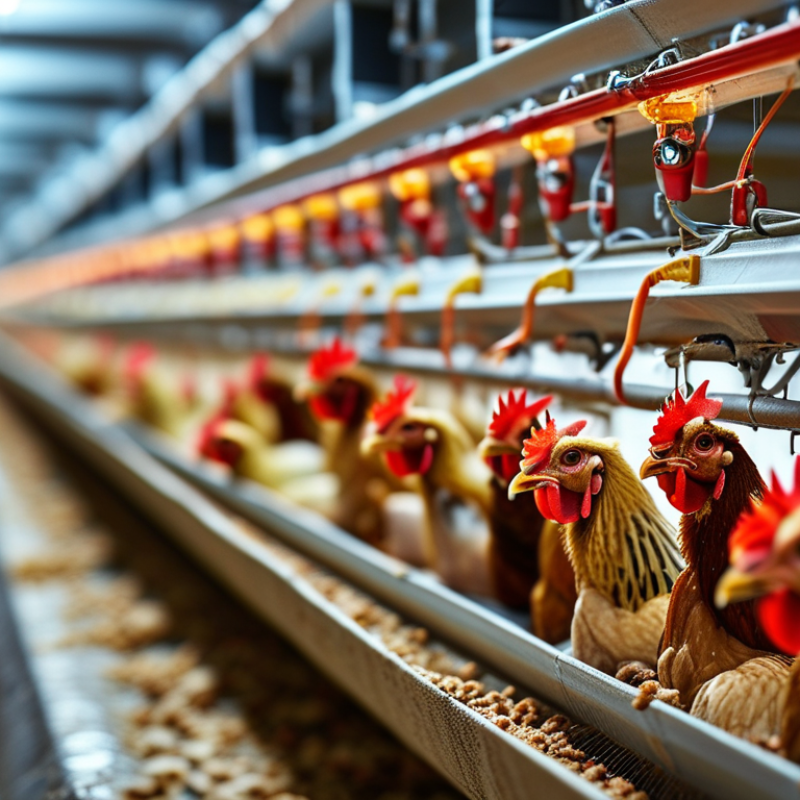
A reliable drinking system begins with correct bird-to-nipple planning. Specify one nipple for every 10–15 broilers. Use the lower ratio in hot climates or during peak growth. This provides easier access when birds gather after feeding. A 1,000-bird house may need approximately 67–100 nipples. Actual quantities depend on line layout and house design.
Keep each line level and firmly supported. Uneven lines can create dry sections and unnecessary water waste. Nipples should match the birds’ age and expected water flow. Check pressure at the beginning, middle, and end of every line. Water should appear clean, fresh, and free from visible sediment. Filters and accessible flushing points support daily hygiene. Local veterinary guidance remains important for water quality decisions.
Tips: Walk the house during the warmest period. Watch whether smaller birds stretch, crowd, or avoid certain nipples. Adjust line height as birds grow, keeping the nipple slightly above eye level. Record leakage, water use, and mortality by house. Small records reveal repeated faults. A perfect specification on paper may still fail in practice. Dust, pressure changes, and uneven flooring can affect performance, so review the system after placement.
For broilers targeting 2.0–2.5 kg, equipment selection should start with daily work demands. Automatic feeding reduces repeated walking, feed carrying, and adjustment time. Nipple drinkers also limit spilled water and wet litter when correctly installed. However, automation is not automatically cheaper. It needs skilled setup, cleaning, and routine inspection.
Labor savings become clearer when comparing birds per worker, not equipment price alone. A reliable feeding line should distribute feed evenly across the house. Uneven access can increase weight variation at market age. Climate systems require equal attention. Fans, inlets, cooling pads, and controllers must work together. Poor airflow increases heat stress and may extend the growing cycle.
Energy should be measured per kilogram of live weight. This is more useful than comparing electricity per building. Efficient fans can reduce power demand, but blocked inlets and dirty blades quickly erase those gains. Lighting controls may lower consumption, yet sudden changes can disturb bird activity.
I would also record daily mortality, feed conversion, water use, and average weight. Data can expose problems that a modern control panel hides. Manual checks still matter. A sensor may report normal conditions while litter feels damp near the drinker line. For global buyers, spare parts, local technician training, and simple emergency operation deserve the same attention as automation features.